A four-week study of cannabis users suffering from anxiety found that they reported reductions in anxiety over the study period that were comparable to reductions experienced by nonusers. The study compared the effects of three types of legal market cannabis – THC-dominant, CBD-dominant, and a type containing equal amounts of CBD and THC. The paper was published in Cannabis and Cannabinoid Research.
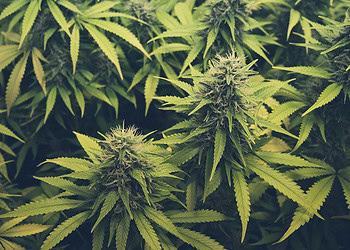
Cannabis is a group of flowering plant species that has been used for thousands of years for its medicinal, recreational, and industrial properties. The most widely used species of cannabis are Cannabis sativa, Cannabis indica, and Cannabis ruderalis. Cannabis plants contain compounds known as cannabinoids, which interact with the human body’s endocannabinoid system and produce mind-altering effects. Cannabis can be consumed in various forms, including smoking, vaporizing, edibles, and oils.
Dried leaves, flowers, stems, and seeds from cannabis plants used for their psychoactive purposes are commonly known as marijuana. In many jurisdictions, marijuana is classified as an illicit drug. However, in recent decades, multiple countries have moved towards legalizing marijuana, particularly motivated by findings about its possible medicinal uses.
Study authors L. Cinnamon Bidwell and her colleagues wanted to test the effects of free use of commercially available cannabis products with different ratios of the two cannabinoids – Δ9-tetrahydrocannabinol (THC) and cannabidiol (CBD) – on individuals suffering from generalized anxiety disorder. Existing research suggested that THC intake is associated with increased anxiety levels, while CBD appears to be nonintoxicating and might mitigate some harmful effects of THC. Some studies even indicate that CBD might have anxiolytic properties when used in certain doses.
The study authors hypothesized that cannabis users would show greater reductions in anxiety compared to individuals not using cannabis. Their second expectation was that this effect would depend on the ratio of THC to CBD in the cannabis product being used.
The study participants were 361 individuals suffering from generalized anxiety disorder with at least mild symptoms. They were between 21 and 70 years of age. Researchers recruited them using social media from the Denver-Boulder metro area. Forty-four of these individuals reported that they had not used marijuana for the past six months and had no desire to use it to cope with anxiety. The other participants reported that they had used marijuana at least once and would use it to cope with anxiety. Study participants received $220 each for completing the study.
Participants who stated that they had no desire to use marijuana to cope with anxiety formed the non-use group. The other participants were randomly divided into three groups based on the type of marijuana product they would be using during the study. One group used a product containing a high amount of THC (over 24%) but little CBD (below 1%). The second group used a product containing a high amount of CBD but little THC. The third group used a cannabis product with equal amounts of THC and CBD (12% each).
All three types of cannabis products were legally available on the market. Participants were free to choose how much of the product they would use during the study period. They purchased the product and uploaded a photo of it to the study authors’ database as confirmation. Study participants used their assigned cannabis product for four weeks.
At two weeks from the start and after four weeks (the end of the study period), participants visited the study authors’ lab. At the lab, they gave blood samples for assessing the content of cannabinoids in their blood. They also completed assessments of anxiety (the Patient Global Impression of Change scale, and DASS), subjective mood effects (the Profile of Mood States), cannabis drug effects (the Addiction Research Center Inventory for Marijuana use), and reported on how often they used the cannabis products (the 14-day Timeline Followback assessment).
Results indicated that all groups showed a reduction in anxiety symptoms after the four-week study period. The cannabis user groups had the highest levels of THC and CBD at the end of the study, corresponding to the type of cannabis product they were using.
The cannabis use groups showed an increase in positive mood during the study period compared to the nonuser group. The group using CBD-dominant cannabis showed a reduction in psychological tension compared to the other two cannabis user groups.
Additionally, groups using THC-dominant cannabis products and cannabis containing equal amounts of THC and CBD showed an increase in paranoia after the study period compared to the group using CBD-dominant cannabis.
“Findings suggest that THC did not increase anxiety and that CBD-dominant forms of cannabis were associated with acute tension reduction that may translate to longer-term reductions in anxiety symptoms,” study authors concluded.
The study sheds light on the effects of cannabis on anxiety symptoms. However, it should be noted that all main study outcomes were self-reported and that study participants were aware of the treatment group they were assigned to. This leaves a lot of room for results to be affected by reporting bias.
The paper, “Acute and Extended Anxiolytic Effects of Cannabidiol in Cannabis Flower: A Quasi-Experimental ad libitum Use Study,” was authored by L. Cinnamon Bidwell, Rene´e Martin-Willett, Carillon Skrzynski, Jonathon Lisano, Marco Ortiz Torres, Gregory Giordano, Kent E. Hutchison, and Angela D. Bryan.