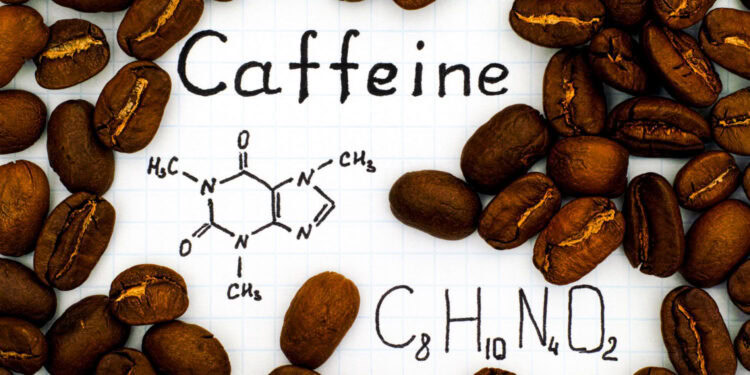
Study finds caffeine increases task persistence under pressure
How does caffeine influence human behavior when tasks seem impossible? A new study suggests it may help people persist during stressful situations. The research bridges animal models of coping with human motivation and performance.
Read moreDetails
Caffeine fails to alter brain network dynamics tied to attention in early adolescents
Despite concerns about caffeine's effects on young brains, researchers found no evidence that recent or regular consumption influences the relationship between two brain networks linked to attention in early adolescents.
Read moreDetails
Higher caffeine intake linked to better cognitive function in older U.S. adults, study finds
Seniors who regularly consume caffeine may be less prone to cognitive decline, according to a new study. The findings reveal a dose-dependent relationship, with higher caffeine intake linked to significantly lower odds of poor cognitive performance.
Read moreDetails
Caffeine increases brain complexity during sleep, study shows
Think you can sleep fine after a late coffee? A new study suggests otherwise. Researchers found that while caffeine may not prevent sleep, it creates a "shallower" rest by increasing brain complexity and pushing it toward a more wake-like state.
Read moreDetailsCaffeine may help prevent depression-like symptoms by protecting the gut-brain connection
Caffeine may help prevent stress-induced depression-like symptoms in mice by protecting gut health and reducing inflammation. While more research is needed, the findings raise the possibility that everyday dietary habits could play a meaningful role in mental health
Read moreDetails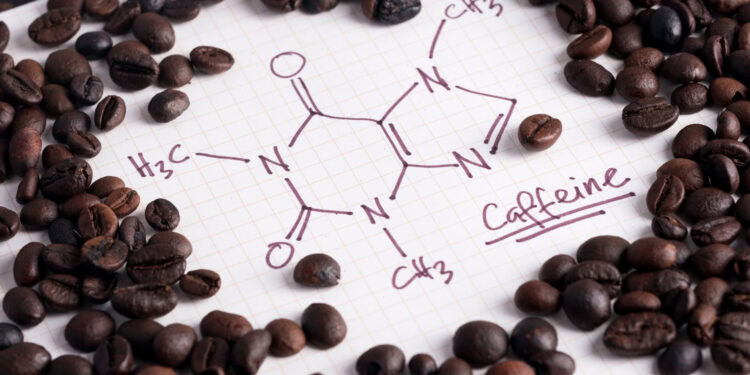
High caffeine intake linked to greater psychological distress in people with depression
A new study finds that individuals with a history of depression who consume high amounts of caffeine tend to report greater psychological distress. Genetic differences also appear to influence how much caffeine people drink and how sensitive they are.
Read moreDetails
New research shows decaf coffee can mimic caffeine’s effects in habitual drinkers
Drinking coffee might wake you up even without the caffeine. Researchers found that habitual coffee drinkers responded similarly to both regular and decaf coffee, pointing to the influence of expectation and ritual on alertness and brain activity.
Read moreDetails
Caffeinated coffee boosts strength and sprint performance in trained men, regardless of chronotype
Caffeinated coffee improved strength and sprint performance in trained men, regardless of chronotype or time of day.
Read moreDetails
Caffeine metabolite 1-MX boosts memory and brain health, study finds
New evidence suggests 1-MX, derived from caffeine, may enhance learning and protect the brain from age-related decline.
Read moreDetails
Timing of coffee consumption may affect longevity, researchers say
A large study suggests that when you drink your coffee—especially in the morning—may matter more for your health than how much you drink.
Read moreDetails
Caffeine may help rugby players sustain activity and agility in multi-day tournaments
Caffeine may help rugby sevens players sustain effort and agility in tournament play, according to new research.
Read moreDetails
Coffee does not significantly impact balance or physical function in older adults
A new study finds drinking caffeinated coffee slightly changes how older adults maintain balance but does not significantly affect stability or physical function. A strong cup of coffee is unlikely to increase fall risk.
Read moreDetails
Caffeine and cognition: New study reveals genetic differences in mental performance
Slow caffeine metabolizers excel in emotion recognition with high caffeine intake, while fast metabolizers perform better in executive function tasks with moderate caffeine consumption.
Read moreDetails
Unsweetened coffee associated with reduced risk of Alzheimer’s and Parkinson’s diseases, study finds
Consuming unsweetened caffeinated coffee is linked to a lower risk of Alzheimer’s, Parkinson’s, and related mortality, while sweetened or artificially sweetened coffee showed no such benefits.
Read moreDetailsHigh-dose caffeine improves reaction time but increases nervousness
A Spanish study found that 6 mg/kg of caffeine improved reaction time but caused nervousness and increased energy, while 3 mg/kg had no effect.
Read moreDetails