
Caffeine fails to alter brain network dynamics tied to attention in early adolescents
Despite concerns about caffeine's effects on young brains, researchers found no evidence that recent or regular consumption influences the relationship between two brain networks linked to attention in early adolescents.
Read moreDetails
Higher caffeine intake linked to better cognitive function in older U.S. adults, study finds
Seniors who regularly consume caffeine may be less prone to cognitive decline, according to a new study. The findings reveal a dose-dependent relationship, with higher caffeine intake linked to significantly lower odds of poor cognitive performance.
Read moreDetails
Non-hallucinogenic psychedelic analog boosts brain plasticity in an unexpected way
Researchers discovered that tabernanthalog, a non-hallucinogenic analog of psychedelic drugs, can stimulate cortical neuron growth and improve depression-related behavior in mice. The study suggests these effects occur without the gene activity or neurotransmitter surges typically linked to classic psychedelics.
Read moreDetails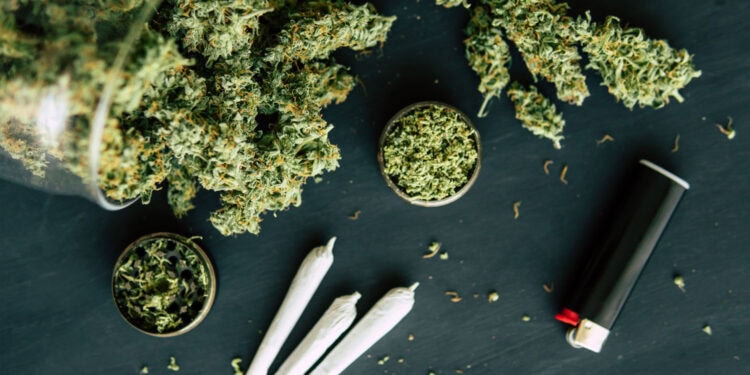
Frequent cannabis users show no driving impairment after 48-hour break
New research suggests that after a two-day break, frequent cannabis use does not impair simulated driving performance. These findings could influence public health policy and legal standards for determining cannabis-impaired driving, which often rely on past use indicators.
Read moreDetails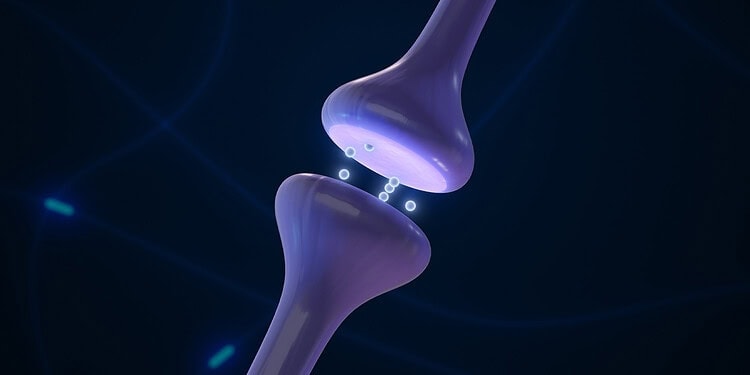
New evidence suggests brain’s opioid system helps mediate ketamine’s antidepressant effects
Researchers continue to explore how ketamine brings about fast-acting relief for people with depression. In a new experiment, scientists tested how brain activity changes under different conditions, shedding light on the complex pathways involved in the treatment response.
Read moreDetails
Cannabis compounds have distinct effects on brain connectivity and blood flow, study finds
Scientists have discovered that THC and CBD push the brain in opposite directions. A neuroimaging study in rats shows that THC boosts connectivity and blood flow, while CBD dampens brain signaling—and combining them creates a more balanced effect.
Read moreDetails
Cannabidiol shows no immediate effect on brain or behavior in young people with alcohol use disorder, study finds
Despite growing interest in cannabidiol as a treatment for substance use, a new study finds no evidence that a single dose alters brain function, craving, or drinking behavior in youth with alcohol use disorder.
Read moreDetails
Antipsychotics cause reversible structural brain changes, study finds
Short-term use of two common antipsychotic medications altered brain volume in healthy volunteers, according to a new study. The findings suggest that some brain differences observed in people with psychotic disorders may result from medication rather than the illness itself.
Read moreDetails
Common ADHD medication linked to increased frontal brain volume in children
Children with ADHD who began methylphenidate treatment before age 12 showed increased gray matter volume in several frontal brain regions, according to a new study. These structural changes were not observed in those who started medication during adolescence or later.
Read moreDetails
Single dose of psilocybin linked to lasting symptom relief in treatment-resistant depression
A small pilot study found that a single 25 mg dose of psilocybin led to lasting reductions in depression symptoms among U.S. military veterans with treatment-resistant depression. Half were in remission after six months; 30% remained in remission at one...
Read moreDetails
Ibogaine treatment linked to changes in brain rhythms and psychiatric improvements in veterans with traumatic brain injury
Brain recordings suggest that ibogaine slows the brain’s dominant rhythms and reduces signal variability in veterans with traumatic brain injury—patterns that were associated with improved executive function, reduced PTSD symptoms, and lowered anxiety.
Read moreDetails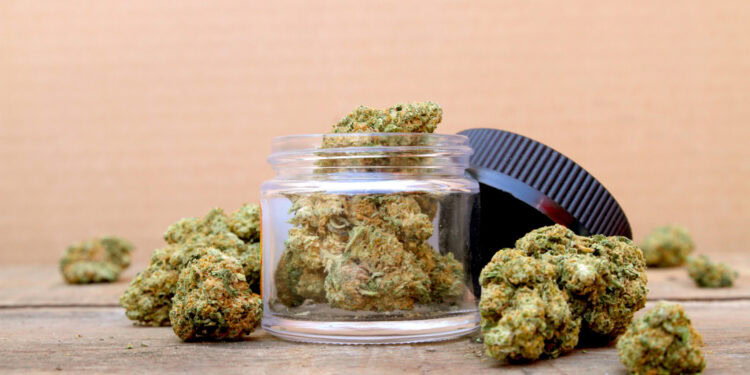
Cannabis use linked to stronger emotional responses but also better recovery in people with anxiety
Adults with anxiety who used cannabis reacted more strongly to stress but also bounced back more effectively. The study, published in the Journal of Psychopathology and Clinical Science, examined real-world cannabis use and emotional processing.
Read moreDetails
Young adults with different ADHD symptom profiles face distinct cannabis-related risks
New research has found that inattention symptoms predict functional cannabis-related harms like academic difficulties and memory blackouts, while hyperactivity symptoms are linked to heavier use and increased dependence, pointing to distinct risk pathways in young adults with ADHD.
Read moreDetails
Neuroscientists just rewrote our understanding of psychedelics with a groundbreaking receptor-mapping study
A groundbreaking study has revealed that classical psychedelics affect far more than just serotonin. By mapping how 41 compounds interact with brain receptors, researchers challenge long-held assumptions and open new directions for psychedelic science and therapeutic development.
Read moreDetails
New research finds moderate cognitive impairments in heavy cannabis users
People diagnosed with cannabis use disorder tend to perform worse on memory and thinking tasks, according to new research. The study found moderate cognitive deficits, especially in learning and processing speed.
Read moreDetails