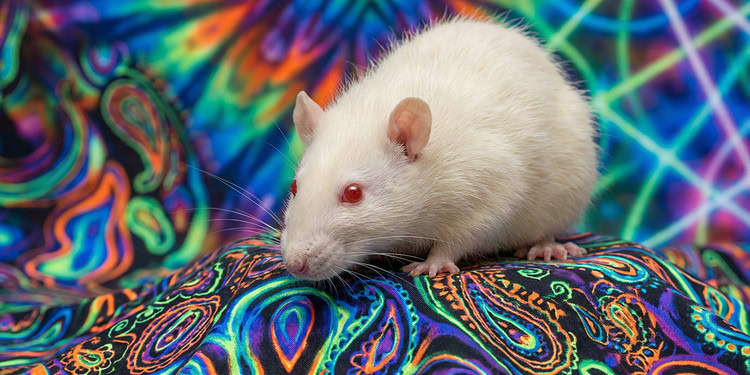
Psilocybin impacts immunity and behavior differently depending on diet and exercise context
Psilocybin’s effects are not uniform across different physiological conditions. A study of female mice reveals that exercise and diet drastically alter how the drug influences social interactions and inflammatory signaling.
Read moreDetails
Stress does not appear to release stored THC into the bloodstream
A new study found that the physical stress of cold water immersion did not release fat-stored THC back into the blood. This suggests that moderate stress is unlikely to cause unexpected intoxication or failed drug tests.
Read moreDetails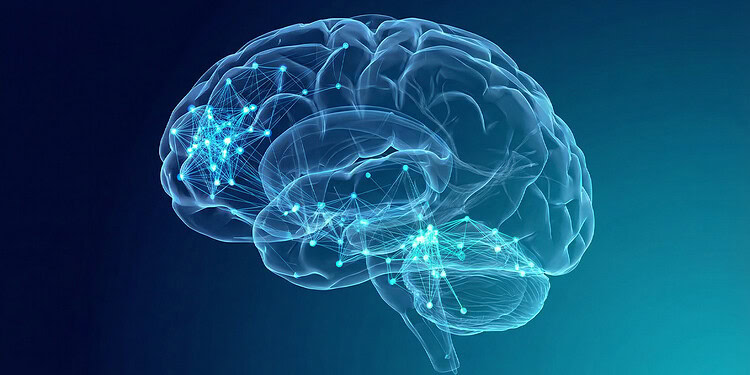
Alcohol shifts the brain into a fragmented and local state
New imaging reveals that drinking disrupts long-distance neural communication. As brain activity moves into isolated clusters, subjective feelings of intoxication increase.
Read moreDetails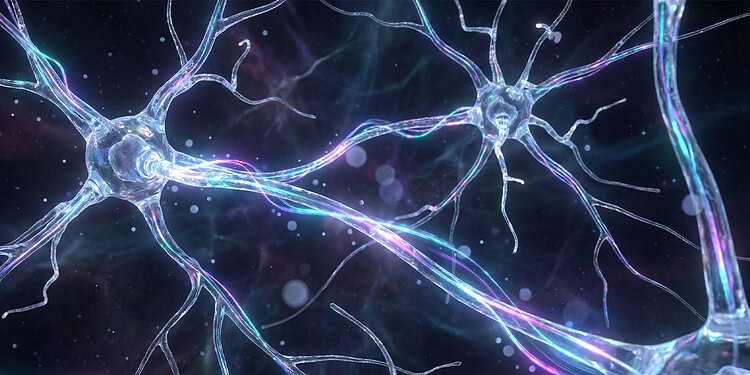
Long-term antidepressant effects of psilocybin linked to functional brain changes
Researchers found that a single dose of psilocybin alters the electrical properties of brain cells for months. This functional plasticity, rather than structural growth, may explain why psychedelic therapy offers enduring relief from depression.
Read moreDetails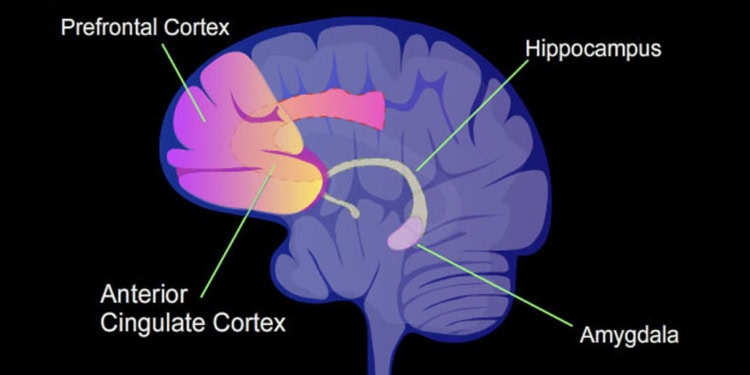
Alcohol triggers unique activity in amygdala neurons
Researchers found that dynorphin-expressing neurons in the mouse amygdala light up significantly more when drinking alcohol compared to other liquids. This unique brain signature could help explain the mechanisms behind excessive alcohol consumption.
Read moreDetails
Cannabidiol prevents Alzheimer’s-like cognitive decline in new rat study
A new study suggests a compound in cannabis could protect the brain from Alzheimer’s disease. Researchers found that treating rats with cannabidiol prevented memory loss and inflammation by activating specific brain receptors.
Read moreDetails
A dream-like psychedelic might help traumatized veterans reset their brains
Scientists have linked the subjective intensity of ibogaine trips to tangible recovery in veterans. Those who felt a sense of unity and sacredness showed larger drops in trauma symptoms and slower brain wave frequencies one month later.
Read moreDetails
Cannabis beverages may help people drink less alcohol
Swapping a beer for a cannabis drink could reduce alcohol-related harms. New research indicates that consumers of infused beverages are likely to use them as substitutes, resulting in fewer weekly drinks and less bingeing.
Read moreDetails
Hyperarousal symptoms drive alcohol problems in male soldiers, new research suggest
A new longitudinal analysis suggests that specific PTSD symptoms, particularly hyperarousal, drive hazardous drinking in military reservists. The findings indicate that male soldiers are uniquely at risk for alcohol problems stemming from physiological agitation.
Read moreDetails
Machine learning identifies brain patterns that predict antidepressant success
A new algorithm analyzes electrical activity in the brain to forecast whether standard depression drugs will work, potentially ending the trial-and-error approach to mental health treatment.
Read moreDetails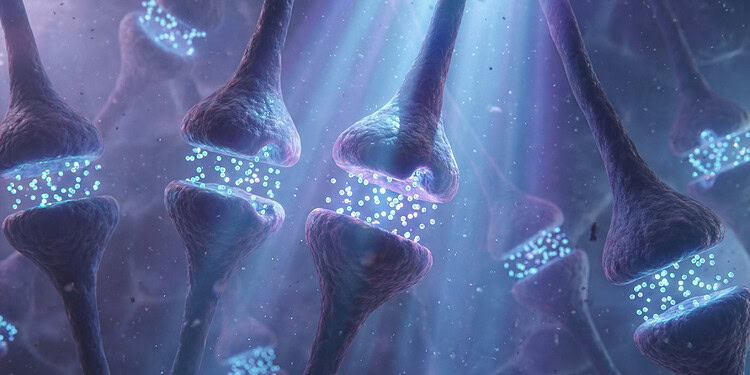
AI identifies behavioral traits that predict alcohol preference during adolescence
A new study using machine learning reveals that adolescent mice with a sweet tooth and lower sociability are more likely to prefer alcohol. Interestingly, these behavioral patterns did not predict alcohol preference in adult mice.
Read moreDetails
Major new study finds psilocybin microdoses improve the quality of creative ideas but not the quantity
Taking tiny amounts of psilocybin helps the brain bypass conventional associations to reach more original solutions, according to a robust analysis of three double-blind clinical trials.
Read moreDetails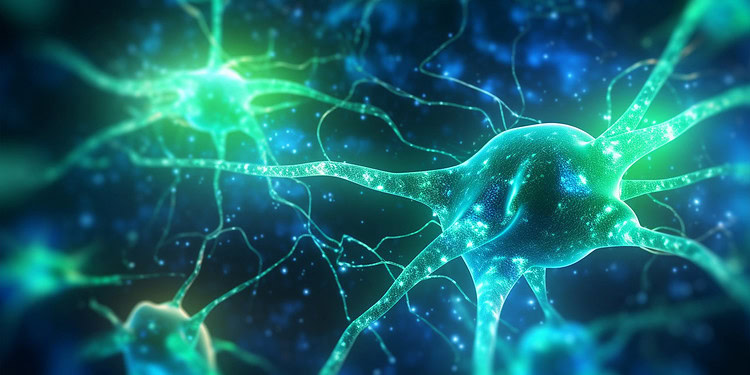
Laughing gas treatment stimulates new brain cell growth and reduces anxiety in a rodent model of PTSD
A new study reveals that nitrous oxide exposure can reverse the suppression of new neuron growth in the hippocampus. This treatment effectively reduced anxiety-like behaviors in a rat model of PTSD.
Read moreDetails
MDMA-assisted therapy shows promise for long-term depression relief
A recent study suggests MDMA-assisted therapy may provide lasting relief for major depressive disorder. Participants maintained significant symptom reductions several months after treatment concluded.
Read moreDetails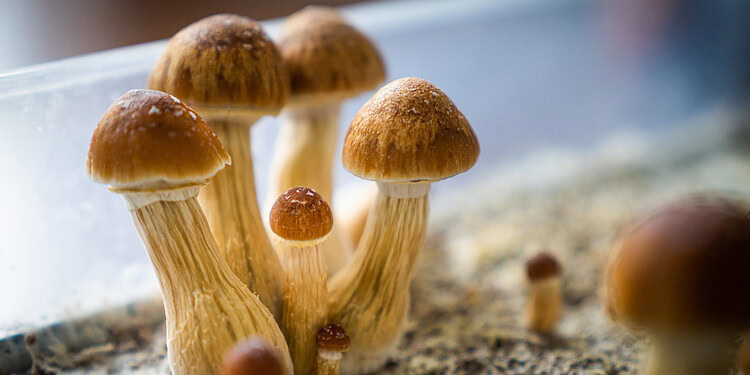
Psilocybin microdosing fails to boost cognitive performance in rigorous trials
A comprehensive new study challenges the popular productivity trend, finding that taking small amounts of magic mushrooms offers no measurable improvements in focus, memory, or mood compared to a placebo.
Read moreDetails