
Psilocybin increases brain flexibility and shifts information flow weeks after use
A single dose of psilocybin can alter brain communication for up to a month. New research suggests the psychedelic increases brain flexibility and shifts information flow, offering clues to its lasting effects on mental health.
Read moreDetails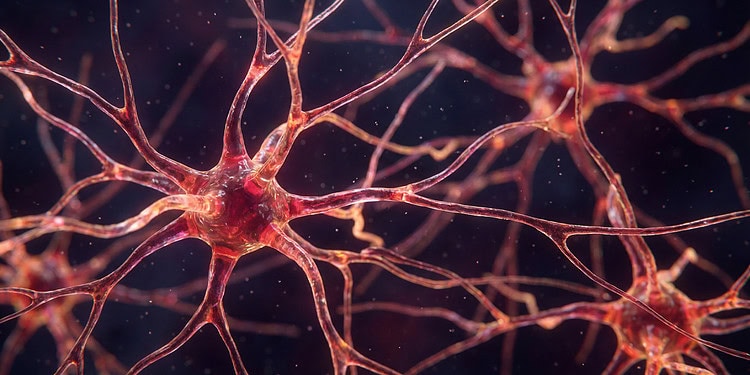
Ayahuasca might protect the brain from stress-induced damage, primate study finds
A new study on marmosets suggests ayahuasca could protect the brain from physical damage caused by chronic stress, pointing to the psychedelic brew's potential as a preventative treatment for depression.
Read moreDetails
Ketamine’s rapid relief of suicidal thoughts may be linked to an increase in morning cortisol
A recent clinical trial found that a single dose of ketamine tends to increase morning cortisol levels in suicidal patients. This surprising hormonal boost persists for 24 hours and may play a role in the drug's rapid antidepressant effects.
Read moreDetails
Occasional magic mushroom use linked to better mental health among alcohol drinkers
Researchers analyzing nationwide survey data found that adults using psilocybin infrequently alongside alcohol reported less anxiety and depression than non-psilocybin users, suggesting potential benefits outside clinical settings.
Read moreDetails
Dummy pills reveal the hidden power of human expectation in addiction recovery
Patients being treated for addiction often experience a sharp drop in their daily cravings simply by taking a placebo. New research explores how human expectation and medical routines can alter the harsh biological realities of dependence.
Read moreDetails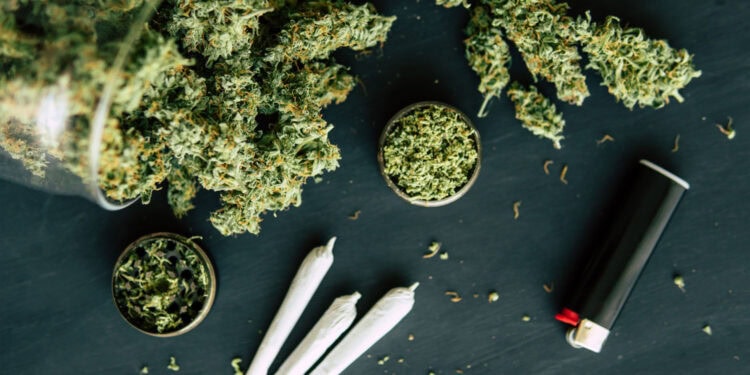
Cannabis use predicts worse clinical outcomes in newly psychotic patients
Young adults who experience psychosis after heavy cannabis use face slower recovery times if they also battle clinical depression and hopelessness. A recent two-year study highlights how these mood states create a dangerous cycle of persistent symptoms.
Read moreDetails
Fearing your own thoughts predicts worse hangover anxiety
Individuals who dread losing mental control are highly likely to experience severe anxiety during a hangover. New research shows this specific psychological fear reliably predicts morning-after panic, helping professionals identify young adults at risk for future alcohol problems.
Read moreDetails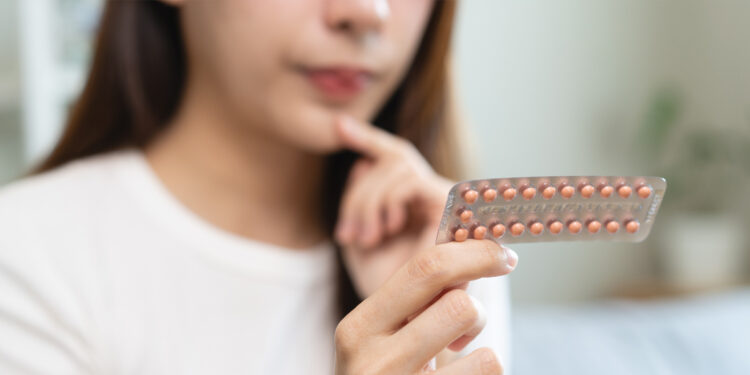
Changing your birth control won’t change how much you love your partner, global study finds
Worried that going on or off the pill might change how you feel about your partner? A massive new study across 51 countries offers reassurance, finding that changing birth control habits does not negatively impact romantic relationship satisfaction.
Read moreDetails
Scientists are using biological markers to take the guesswork out of depression treatment
Researchers have developed a predictive algorithm using brain connectivity and behavioral tests to forecast antidepressant outcomes. A recent study suggests this tool can identify depressed patients who are highly likely to benefit from standard medications.
Read moreDetails
Psilocybin-assisted therapy shows promise for veterans with severe, treatment-resistant PTSD
A pilot clinical trial suggests that psilocybin combined with psychotherapy is safe and well-tolerated by veterans with severe, treatment-resistant PTSD. The study found that most participants no longer met the diagnostic criteria for PTSD.
Read moreDetails
Neuroscientists just upended a core assumption about how psychedelics alter brain function
New brain scans show that drugs like LSD, psilocybin, and MDMA reliably reduce the upward flow of information into a core brain network. This surprising shift offers a biological explanation for their psychological risks and benefits.
Read moreDetails
A single dose of LSD may boosts the brain’s ability to consolidate new physical skills
A recent study published in Neuropsychopharmacology reveals that a single dose of LSD can improve motor learning the following day. The psychedelic drug also appears to reduce perceived stress and alter brain activity up to a week later.
Read moreDetails
Magic mushroom compound could help defend skin against premature aging
New research indicates that psilocybin, the active compound in magic mushrooms, might protect human skin cells from premature aging. In laboratory tests, the psychedelic compound reduced inflammation and cellular stress caused by high sugar and fat levels.
Read moreDetails
Prenatal THC exposure drives teenage binge drinking in female rats
Rats exposed to the psychoactive component of cannabis before birth display differing teenage binge drinking habits based on their biological sex. Females consistently drank more alcohol, while males initially avoided it before rapidly escalating their consumption.
Read moreDetailsFascinating findings emerge from recent LSD research
A renewed scientific interest in psychedelics is yielding surprising discoveries about LSD.
Read moreDetails