Low doses of LSD alter emotional brain responses in people with mild depression
A double-blind trial suggests that microdosing the psychedelic drug LSD can reverse blunted neurological responses to emotional rewards, potentially offering targeted biological interventions for individuals struggling with mild to moderate depression.
Read moreDetails
Psychedelic retreats linked to mental health improvements in people with severe childhood trauma
Individuals with a history of severe childhood trauma who attended ceremonial psychedelic retreats reported marked reductions in anxiety and increased well-being. The findings suggest psychedelics could offer a novel approach for populations historically resistant to traditional mental health therapies.
Read moreDetails
Psilocybin slows down human reaction times and impairs executive function during the acute phase of use
A new analysis reveals that psilocybin temporarily slows down human reaction times and mildly impairs executive functions. The findings highlight the need for safety protocols as psychedelic therapies move closer to widespread clinical acceptance.
Read moreDetails
Can a psychedelic journey change what you value most?
A recent trial involving healthy volunteers demonstrates that a single dose of psilocybin can prompt lasting changes in personal values, increasing self-acceptance and appreciation for life through acute feelings of spiritual euphoria and profound unity.
Read moreDetails
Short-acting psychedelic DMT shows promise as a rapid treatment for major depressive disorder
New findings published in Nature Medicine indicate that a brief dose of the psychedelic DMT, administered with dedicated psychological support, safely and rapidly relieves major depression. These mental health improvements tend to last for up to three months.
Read moreDetails
First direct comparison of MDMA and MDA reveals distinct psychedelic differences
A new clinical trial directly compares MDMA with its chemical relative MDA for the first time. The results reveal how slight molecular differences can dramatically alter the duration, visual intensity, and adverse effects of psychoactive drugs.
Read moreDetails
A new study measures the temporal distortions caused by psychedelics
A placebo-controlled experiment reveals how psilocybin changes human time perception. By testing volunteers on a visual timing task, researchers found the psychedelic compound causes people to underestimate durations and feel time passing much slower than normal.
Read moreDetails
Occasional use of classic psychedelics linked to enhanced cognitive flexibility in young adults
Sporadic recreational use of magic mushrooms and LSD does not damage memory or attention, a new study finds. Instead, young adults who occasionally use classic psychedelics display a distinct advantage in shifting problem-solving strategies and adapting to new rules.
Read moreDetails
Study links psilocybin receptor activation to sustained structural brain changes
Clinical trials show psilocybin provides rapid relief for depression, but the underlying biology remains unclear. New research demonstrates how varying doses of the drug bind to serotonin receptors to enhance cellular flexibility.
Read moreDetails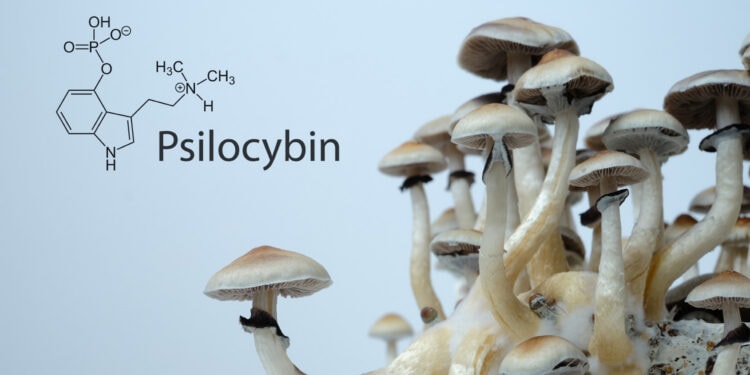
Psilocybin unlocks a specific biological signature in the brain linked to profound mystical states
New research suggests that psilocybin shifts the brain from a relaxed state into a highly engaged pattern of rapid electrical activity. This measurable shift in brain waves provides evidence linking biological changes directly to subjective psychedelic experiences.
Read moreDetailsPsilocybin might not be the most psychoactive ingredient in magic mushrooms, new research suggests
Published in Scientific Reports, new research provides evidence that minor compounds in psychedelic mushrooms work alongside psilocybin to interact with brain receptors. This chemical teamwork explains why whole mushroom extracts often affect people differently than isolated, lab-made psilocybin.
Read moreDetails
New analysis shows ideology, not science, drove the global prohibition of psychedelics
Archival records reveal that the 1971 global ban on psychedelics was fueled by Cold War politics and media sensationalism, not medical science. This historical analysis suggests international drug laws should be updated to reflect actual scientific evidence.
Read moreDetails
A single dose of DMT reverses depression-like symptoms in mice by repairing brain circuitry
A recent study in Translational Psychiatry shows that one dose of DMT reversed loss of pleasure and cognitive deficits in stressed mice. The psychedelic promoted new brain cell growth, highlighting its potential as a rapid-acting antidepressant.
Read moreDetails
Scientists discover psychedelic drug 5-MeO-DMT induces a state of “paradoxical wake”
A new study in Communications Biology provides evidence that a psychedelic drug induces a hybrid sleep-wake state in active mice. This unusual brain activity suggests a potential mechanism for how psychedelics might help remodel neural connections.
Read moreDetails
Psilocybin produces different behavioral and brain-altering effects depending on the dose
A new mouse study published in the Journal of Psychopharmacology provides evidence that psilocybin selectively enhances the brain's ability to rewire itself. The research suggests that optimizing specific doses could help tailor treatments for different psychiatric symptoms.
Read moreDetails