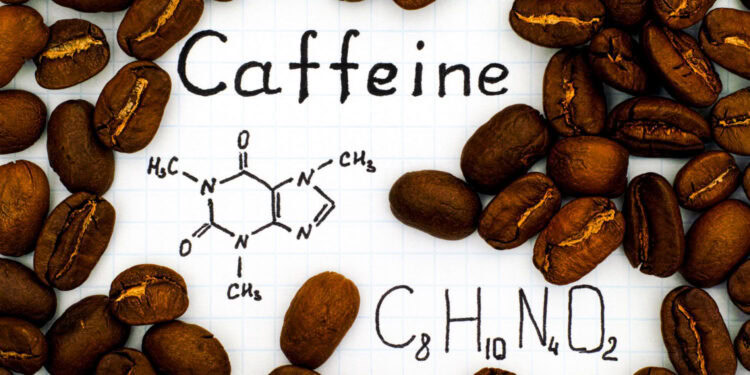
Caffeine might ease anxiety and depression by calming brain inflammation
A systematic review of animal research suggests that caffeine can reduce anxiety and depressive-like behaviors by acting as a brake on the brain's immune system and lowering neuroinflammation.
Read moreDetails
New research shows the unexpected benefits of a fixed mindset for social anxiety
For those struggling with social anxiety, the belief that first impressions can't be changed might actually be a relief. New research shows that adopting a fixed mindset about social judgments can reduce stress and improve conversational performance.
Read moreDetails
Brain’s cannabinoid system links persistent anxiety to stronger alcohol reward learning
Mice with persistent anxiety are quicker to learn about alcohol-related rewards than their less anxious peers. A new study reveals this connection is controlled by the brain’s endocannabinoid system, offering clues into anxiety and alcohol use disorders.
Read moreDetails
Why some socially anxious people lash out in anger
While social anxiety is usually associated with avoiding conflict, a new study reveals that socially anxious individuals who also possess traits of vulnerable narcissism are more likely to respond to perceived social threats with hostility and aggression.
Read moreDetails
Repurposing a blood pressure drug for anxiety reveals unexpected sex differences in attention
A common blood pressure medication shows promise for reducing anxiety, but a new study reveals a surprising catch: it alters how the brain processes distractions, affecting men’s and women’s focus in completely opposite ways.
Read moreDetails
Breathing exercises blunt the body’s physical reaction to acute stress
Short breathing exercises can prevent sudden spikes in heart rate and anxiety. A new study reveals that just a few minutes of controlled breathing keeps physiological stress markers from rising when individuals face an intimidating social evaluation.
Read moreDetails
Social anxiety, not masking, may drive mental health struggles in autistic adults
Autistic individuals often mask their traits to navigate social situations, a practice linked to poor mental health. A new study suggests these negative outcomes may actually be driven by underlying social anxiety rather than the act of camouflaging itself.
Read moreDetails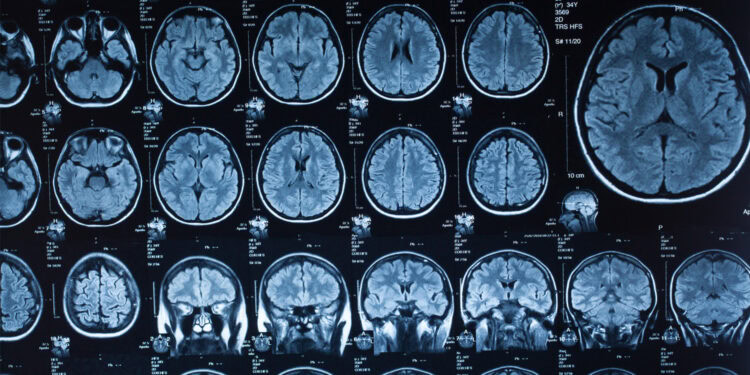
Brain imaging study links childhood trauma to chronic procrastination in adulthood
Childhood trauma can leave a lasting mark on brain development. A new study reveals how these early neurobiological changes elevate anxiety and reduce self-control, paving the way for chronic procrastination in adulthood.
Read moreDetails
Cognitive abilities help explain regional brain aging patterns in anxiety and depression
A new study suggests that the advanced brain aging often seen in people with anxiety and depression is partly explained by differences in cognitive skills like memory and processing speed, rather than the psychiatric conditions alone.
Read moreDetails
Fear of missing out on AI is linked to anxiety and depression
A new study finds that as artificial intelligence advances, the fear of falling behind is creating a measurable psychological burden. Fortunately, building practical competence with these new digital tools can help protect your mental health.
Read moreDetails
How we react to anxiety could be just as important as the anxiety itself
A person’s rigid attempts to avoid anxious feelings might increase their likelihood of developing an anxiety disorder. New research suggests that learning to accept and adapt to psychological distress could be a key component in treating mental health conditions.
Read moreDetails
How specific masculine ideals are linked to anxiety and depression in men
A survey of adult men reveals that strict adherence to certain traditional masculine ideals, like extreme self-reliance, is linked to an inability to process emotions, which corresponds to higher rates of anxiety and depression.
Read moreDetails
New study suggests anxiety symptoms drive the physical stress markers linked to depression
Physical feelings of anxiety tend to predict chronic stress markers better than depression symptoms, suggesting that past research linking depression to body strain may have picked up on hidden anxiety instead.
Read moreDetails
Common herb may help ease anxiety symptoms in patients with depression
A recent study suggests that basil extract might help ease anxiety and depression. When taken with standard antidepressants, patients using a nightly basil syrup reported greater symptom relief than those taking a placebo.
Read moreDetails
Social anxiety and depression appear to change the way we process feedback
A new study reveals how social anxiety and depression distort the way people update their self-beliefs in response to feedback. While social anxiety amplifies negative judgments about competence, depression makes it difficult to accept positive feedback entirely.
Read moreDetails