
New blood tests accurately detect Alzheimer’s disease in adults with Down syndrome
People with Down syndrome face an elevated risk of developing Alzheimer's disease. A recent study indicates that simple blood tests can accurately detect early brain changes, paving the way for easier diagnosis and inclusive clinical trials.
Read moreDetails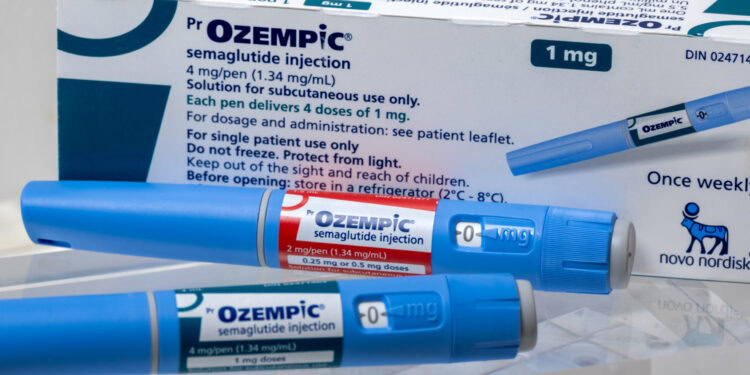
GLP-1 drugs like Ozempic might help clear Alzheimer’s disease plaques, new review suggests
A recent review in Molecular and Cellular Neuroscience suggests that popular weight-loss and diabetes drugs might help clear brain proteins associated with Alzheimer's disease. While animal studies show promise, human data remains limited.
Read moreDetails
Researchers find evidence connecting a specific blood protein to brain tissue loss
High levels of a specific blood protein during midlife suggest an increased risk for vascular dementia. Researchers found evidence that this protein might alter immune activity and contribute to the gradual loss of healthy brain tissue.
Read moreDetails
Plant-based compounds in berries and tea may help delay brain aging
A new scientific review suggests that polyphenols—natural compounds found in berries, tea, and olive oil—may help protect the brain from age-related decline. However, researchers emphasize eating whole foods over relying on high-dose supplements.
Read moreDetails
Scientists discover how boosting a protective protein stops toxic tau spread in the brain
By genetically enhancing a specific protein in mice, scientists successfully reduced the toxic tau tangles associated with Alzheimer’s disease. The study offers new insights into how the brain defends itself against severe neurodegenerative damage.
Read moreDetails
Brain scans reveal the hidden neurological cost of passive TV watching
A new study suggests that not all sitting is created equal. While frequent TV watching is linked to reduced brain volume, mentally engaging desk work is linked to preserved brain structure in older adults.
Read moreDetails
Higher optimism is associated with a lower risk of dementia
A new study spanning 14 years suggests that optimism could be a powerful tool for healthy aging. Researchers found that older adults with a more positive outlook on life have a 15% lower risk of developing dementia.
Read moreDetails
Study finds complex association between dietary fat intake and brain atrophy in older adults
A new study explores the complex link between high-fat diets and Alzheimer's risk. Researchers found dietary fat is associated with faster brain atrophy in healthy older adults, but a slower rate of decline in those with mild cognitive impairment.
Read moreDetails
New metabolomics study traces the path from neurotic personalities to cognitive decline
Anxious and easily stressed individuals face an elevated risk of developing dementia. New research suggests a biological reason behind this link: highly neurotic people tend to have fewer protective omega-3 fatty acids running through their bloodstream.
Read moreDetails
The surprising link between routine vaccines and Alzheimer’s risk
Severe infections can trigger widespread inflammation that damages the aging brain. Now, a wave of large-scale studies suggests that routine adult vaccinations could act as a protective shield, lowering the risk of dementia and Alzheimer's disease.
Read moreDetails
Copper-delivering drug repairs brain pumps to clear toxic Alzheimer’s proteins
Scientists have discovered that an experimental copper drug can unclog the brain's natural waste removal pumps. In a recent study, the treatment successfully cleared toxic Alzheimer's proteins and significantly improved spatial memory in mice.
Read moreDetails
Shingles vaccine could prevent 1 in 17 dementia cases among nursing home patients
A new study suggests that older adults who receive the recombinant shingles vaccine have a significantly lower risk of developing dementia. The findings point to a surprising brain-health benefit for a routine immunization.
Read moreDetails
Cannabis use in older adults not linked to faster cognitive decline or dementia
As cannabis use grows among older adults, so do concerns about memory loss. However, a new study found that prior or occasional cannabis use is not associated with faster cognitive decline or a higher risk of dementia.
Read moreDetails
Neuroimaging study of 30,000 adults links the size of six brain areas to stronger working memory
As we age, our ability to temporarily hold and process information tends to decline. However, a recent study of over 30,000 adults suggests that having more physical tissue in six specific brain regions predicts better working memory.
Read moreDetails
A popular muscle supplement could help power failing brain cells in Alzheimer’s disease
A small pilot study indicates that older adults with Alzheimer’s disease can safely take daily doses of creatine to boost brain energy levels. Patients taking the inexpensive supplement also experienced improvements in problem-solving and working memory tests.
Read moreDetails