
Extra virgin olive oil supplementation reduces neuroinflammation in obese rats
New research in Nutritional Neuroscience finds that extra virgin olive oil can reduce brain inflammation caused by a high-fat diet in rats. This effect helped prevent weight gain and restore metabolic balance in the animals.
Read moreDetails
A woman’s choice of words for her genitals is tied to her sexual well-being, study finds
The names women use for their anatomy are linked to their well-being. Playful terms were tied to negative body image, while certain informal language used during intimacy was associated with more positive sexual experiences.
Read moreDetails
How higher states of consciousness can forever change your perception of reality
Awakening experiences, often perceived as mysterious, are temporary expansions of awareness. Psychologist Steve Taylor's 15 years of research reveal three main triggers, offering a scientific understanding of these transformative perceptions.
Read moreDetails
Text-based therapy might be as effective as video for depression
Can therapy delivered through text messages be as helpful as face-to-face video calls? A new study compares these two popular telehealth methods, with surprising results for patient outcomes and engagement.
Read moreDetails
Cognitive issues in ADHD and learning difficulties appear to have different roots
Are the cognitive struggles seen in children with ADHD and learning difficulties a direct result of their attentional behaviors? A new study suggests the answer depends on the child's specific diagnosis, pointing toward distinct developmental pathways.
Read moreDetails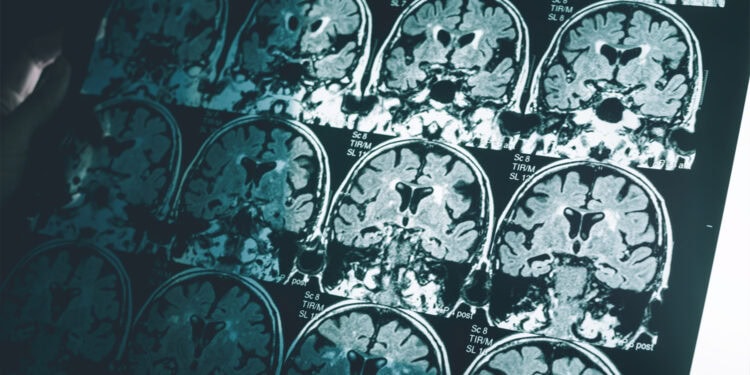
Men’s brains shrink faster with age, deepening an Alzheimer’s mystery
Women are more often diagnosed with Alzheimer’s disease, but why? New research challenges a common assumption about brain aging, pointing scientists toward other potential explanations for this well-known disparity.
Read moreDetails
Researchers have decoded TikTok’s viral Bold Glamour filter
A popular social media filter subtly reshapes faces in ways that are surprisingly specific. New research quantifies these digital alterations and explores their connection to aesthetic procedures.
Read moreDetails
Problematic social media use linked to loneliness and death anxiety
What drives unhealthy social media use? A new study suggests it's more than a bad habit, linking it to our deepest anxieties about relationships, loneliness, and even our own mortality.
Read moreDetails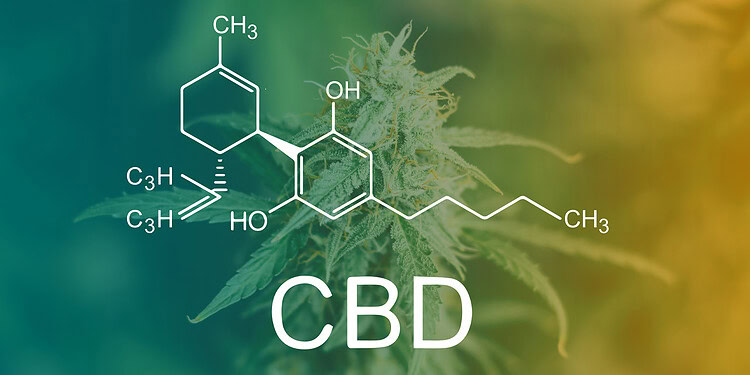
New study finds CBD worsens cannabis effects in schizophrenia
Cannabidiol is often seen as a protective component of cannabis. A new study challenges this idea in a specific group of patients, revealing a surprising and counterintuitive interaction between the two substances.
Read moreDetails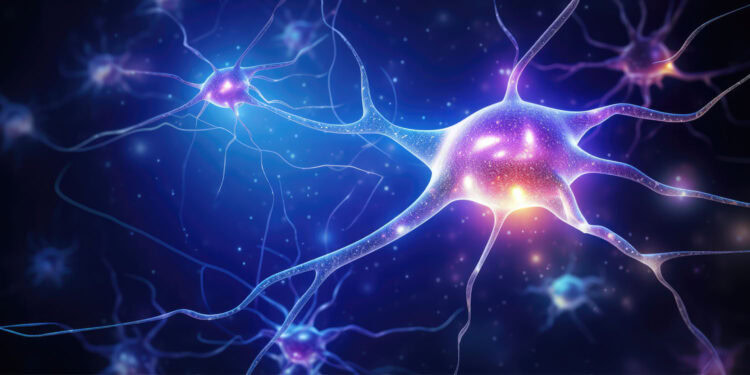
Nanoparticle therapy restores brain function in mice with Alzheimer’s disease
A novel treatment for Alzheimer's doesn't attack brain plaques directly. Instead, it repairs a critical protective barrier, leading to remarkable recovery in animal models and offering a new direction for future therapies.
Read moreDetails
New $2 saliva test may aid in psychiatric diagnosis
A disposable sensor uses saliva to measure a protein linked to depression and schizophrenia. The test is fast, inexpensive, and could one day help monitor mental health.
Read moreDetails
Familial link between ADHD and crime risk is partly genetic, study suggests
A large-scale Swedish study explored the connections between ADHD and criminal behavior within families. The findings suggest a shared liability that appears to be influenced by genetic factors, with some notable differences between men and women.
Read moreDetails
Maternal depression’s link to child outcomes is strongest with high ADHD
A new study suggests that when mothers have both depression and ADHD symptoms, their toddlers may face greater emotional and attentional difficulties. This combination appears to present a compounded challenge for early development.
Read moreDetails
A major psychology study finds the U-shape of happiness has been turned on its head
A new global study finds the U-shape of happiness has reversed. Unhappiness now peaks in youth and declines with age, driven by a significant and rapid rise in despair among young people, especially young women.
Read moreDetails
Virtual reality training improves the body’s ability to regulate stress
New research explores whether skills learned in a relaxing virtual reality game can be applied when the environment turns stressful. Scientists measured physiological responses to see if a simple breathing technique could help people keep their cool in a high-stakes...
Read moreDetails