
Severe e-scooter crashes result in higher rates of traumatic brain injuries than motorcycle accidents
An analysis of UK trauma data indicates severe e-scooter accidents result in distinct injury patterns. Compared to motorcyclists and cyclists, injured e-scooter riders suffer significantly higher proportions of traumatic brain injuries and internal organ damage.
Read moreDetails
People who imagine their future without anyone else in it aren’t loners by nature — new research suggests it’s a learned defense that quietly collapses the moment the imagined future turns stressful
A recent psychological study reveals that our deeply ingrained relationship habits dictate how we mentally simulate the future. Anxiously attached individuals imagine highly social futures, whereas avoidant individuals envision scenarios with far fewer interpersonal ties.
Read moreDetails
Morning sunlight exposure is linked to earlier sleep schedules
Exposure to natural sunlight early in the day is associated with an earlier sleep schedule and better overall rest. A recent survey of adults in Brazil highlights how morning light helps synchronize the human biological clock.
Read moreDetails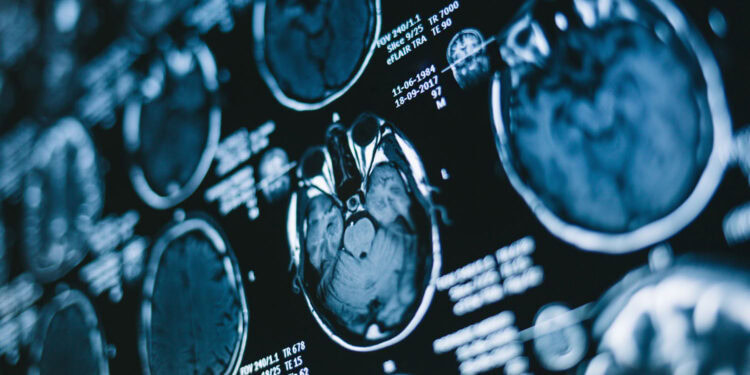
Childhood ADHD is linked to distinct developmental changes in brain white matter
Using data from a massive long-term study, researchers found that 9-year-olds with ADHD have altered white matter microarchitecture. These early differences in nerve organization and cellular density offer new clues into the neurodevelopmental roots of the disorder.
Read moreDetails
The complex science of positive affirmations, and why they occasionally backfire
The internet frequently touts positive affirmations as a universal remedy for distress. However, scientific evidence indicates that while these mantras offer modest benefits for certain populations, they carry hidden psychological risks requiring a cautious approach.
Read moreDetails
New research shows the unexpected benefits of a fixed mindset for social anxiety
For those struggling with social anxiety, the belief that first impressions can't be changed might actually be a relief. New research shows that adopting a fixed mindset about social judgments can reduce stress and improve conversational performance.
Read moreDetails
How the use of artificial intelligence harms college students’ ability to learn
College students who rely on automated answers without critical reflection show a diminished ability to learn independently. A new survey suggests this habit lowers academic self-confidence and reduces the internal drive to succeed in school.
Read moreDetails
Emotional intelligence predicts whether envy leads to self-improvement or hostility
A new study suggests that individuals with higher emotional intelligence are more likely to channel feelings of envy into self-improvement. The findings indicate that emotion regulation helps turn unpleasant feelings into constructive motivation rather than interpersonal hostility.
Read moreDetails
Brain’s cannabinoid system links persistent anxiety to stronger alcohol reward learning
Mice with persistent anxiety are quicker to learn about alcohol-related rewards than their less anxious peers. A new study reveals this connection is controlled by the brain’s endocannabinoid system, offering clues into anxiety and alcohol use disorders.
Read moreDetails
The human brain reorganizes itself at four distinct ages
A large study of brain scans from over 4,000 people has identified four distinct ages when the brain's structural network shifts its developmental trajectory. These turning points separate human life into five unique epochs of topological change.
Read moreDetails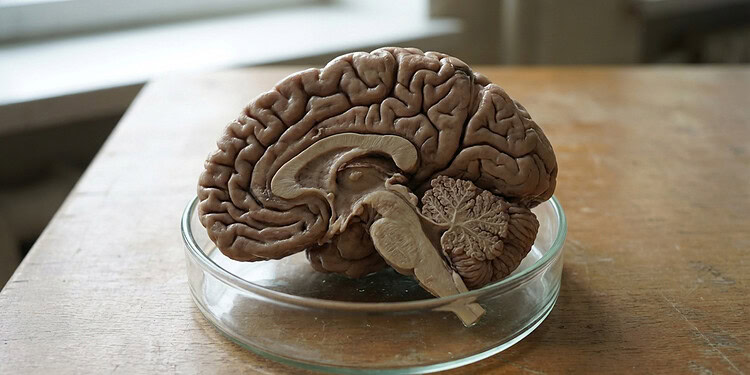
Ancient diets relied heavily on sugars and starches to power expanding hominin brains
While anthropologists frequently credit meat consumption for the development of large human brains, new dietary modeling indicates that carbohydrates from fruit and honey actually provided the essential glucose required for hominin cognitive evolution.
Read moreDetails
People with higher IQ scores tend to know more about wine, study finds
A recent study in Intelligence & Cognitive Abilities indicates that people with higher general intelligence tend to possess more specialized knowledge about wine. The research suggests cognitive ability drives the accumulation of deep facts without formal rewards.
Read moreDetails
Trichotillomania: Boredom and tiredness outpace negative emotions as predictors of hair pulling
People with hair-pulling disorder often blame negative emotions for their symptoms. However, a new real-time tracking study reveals that boredom and tiredness may actually be more consistent predictors of future hair-pulling episodes than emotional distress.
Read moreDetails
Medicinal mushroom supplements linked to a sudden relapse of psychosis in new case report
A recent case report suggests that over-the-counter medicinal mushroom supplements might have worsened severe psychotic symptoms in a young man with cerebral palsy, highlighting the potential psychiatric risks of mixing natural remedies with mental health conditions.
Read moreDetails
Mindful partners use less hostile ways to say no to sex, study finds
Saying no to sex can cause emotional strain in a romantic relationship. A new psychological evaluation finds that mindful individuals reject their partners with less hostility, fostering better communication and higher overall relationship satisfaction.
Read moreDetails