
Sexually assertive individuals tend to be more satisfied with their relationships, study finds
New research from Italy reveals that sexually assertive individuals tend to be more satisfied in their romantic relationships. The study also highlights a positive connection between body appreciation, sexual esteem, and the ability to communicate sexual desires.
Read moreDetails
Early antidepressant use is linked to higher levels of sexual boredom
People using common antidepressants for up to two years report higher levels of general and sexual boredom than non-users. This hidden side effect could explain why some patients struggle to stick with their mental health treatments over time.
Read moreDetails
Men face an elevated risk of suicide immediately following a relationship breakdown
A massive global review of more than 100 million men reveals that the risk of suicidal thoughts and behaviors spikes following a relationship breakdown, with young and recently separated men facing the highest vulnerabilities.
Read moreDetails
Taxi and ambulance drivers show significantly lower Alzheimer’s risk in national mortality study
Professions requiring constant spatial navigation physically reshape the hippocampus, the brain region Alzheimer’s attacks first. By routinely building mental maps, individuals may develop a cognitive reserve that delays the onset of severe memory loss.
Read moreDetails
Lower-class employees face greater professional backlash for negotiating their salaries
A recent study indicates that people from lower-class backgrounds are less likely to negotiate their salaries. When they do ask for more, they tend to face stronger social backlash from employers, creating a difficult double bind.
Read moreDetails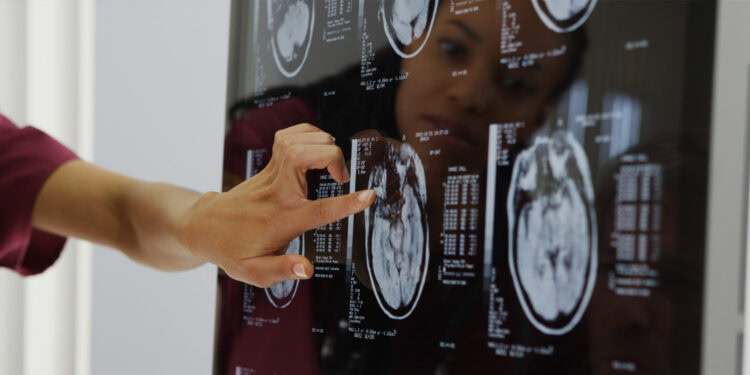
Brain scans reveal two distinct biological profiles of migraine
A new analysis of brain imaging data suggests that migraines can be categorized into two biological groups based on brain structure and network connectivity, offering a potential new framework for understanding the condition.
Read moreDetails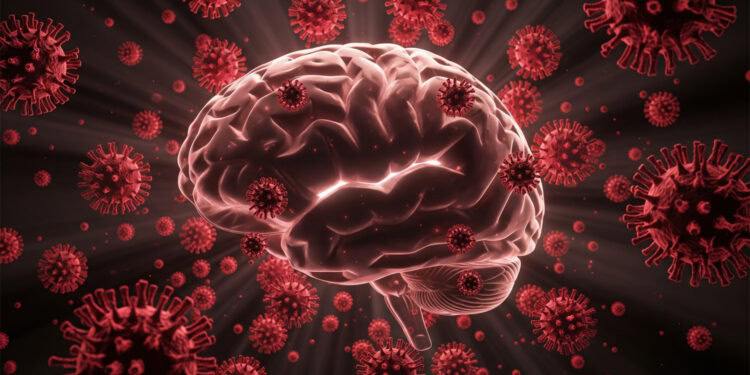
Brain scans reveal lasting tissue and chemical changes in both long COVID and recovered patients
Brain scans reveal that COVID-19 may leave a lasting physical imprint on the brain. A recent study found altered tissue structure and chemical imbalances in both long COVID patients and those who fully recovered from the virus.
Read moreDetails
Children can understand falsification through evidence as early as age 4
The ability to argue using scientific evidence starts remarkably early. A new German study demonstrates that four-year-olds can effectively use evidence to refute false claims, a critical cognitive skill that expands significantly by age five.
Read moreDetails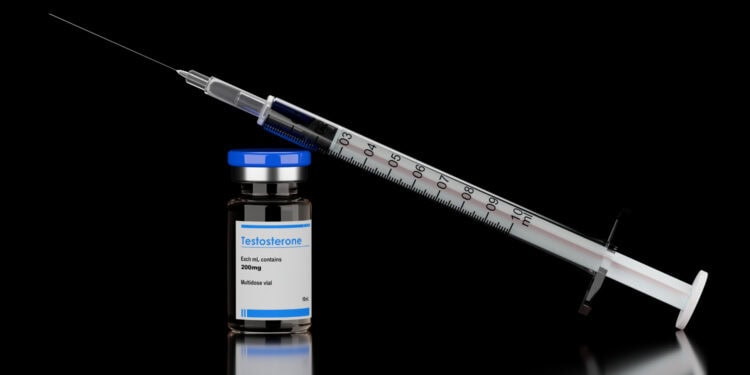
A man began hearing voices from his body parts after receiving testosterone injections
A recent case report details how a 45-year-old man developed severe religious delusions and hallucinations after receiving prescribed testosterone injections. His undiagnosed genetic condition may have increased his vulnerability to these rare psychiatric side effects.
Read moreDetails
College women are increasingly marrying men without degrees as college demographics shift
As women increasingly outpace men in higher education, a new study indicates that college-educated women are maintaining stable marriage rates by partnering with men without degrees. This shift corresponds with declining marriage rates for women without degrees.
Read moreDetails
How classical musicians experience the sensation of playing together
A small study exploring how classical musicians experience togetherness reveals that establishing a profound connection requires more than technical precision. Performers rely on shared emotional understanding, adaptability, and visual cues to reach peak harmony during live concerts.
Read moreDetails
Scientists uncover an energy paradox in the brain during REM sleep
A recent study found that during REM sleep, the brain receives a surge of blood and nutrients, yet energy levels inside neurons actually drop. This “energy paradox” suggests the sleeping brain dynamically reorganizes its metabolic resources.
Read moreDetails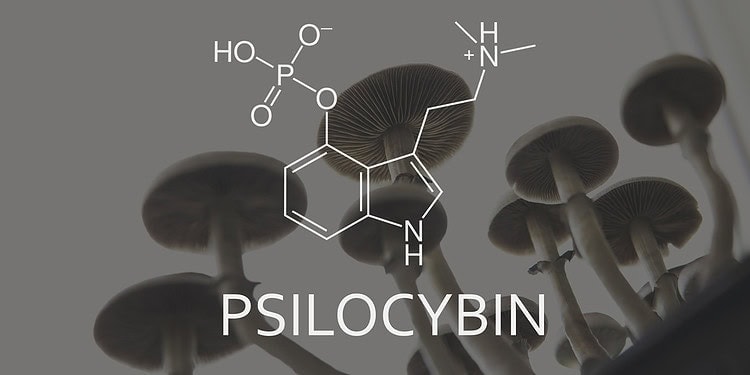
Psychedelic drug calms hyperactive brain cells linked to chronic pain
A single dose of psilocybin rapidly relieved both chronic pain and depression-like symptoms in mice. Researchers discovered the psychedelic compound works by calming hyperactive neurons in a specific brain region associated with both conditions.
Read moreDetails
Doomscrolling political news during your downtime predicts reduced engagement at work
Consuming political news outside of work is associated with how employees feel on the job. A new study suggests negative media predicts workplace anxiety, while positive content is linked to increased hope and helpfulness.
Read moreDetails
The partisan divide over civil rights legislation widened abruptly in the 1990s and 2010s
Legislative support for civil rights in Congress has grown over the past fifty years, but this support is increasingly divided by party. A new study indicates this polarization accelerated sharply during the 1990s and 2010s.
Read moreDetails