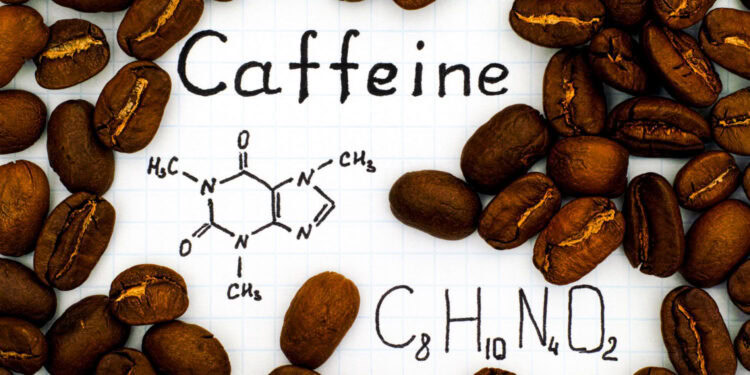
Caffeine might ease anxiety and depression by calming brain inflammation
A systematic review of animal research suggests that caffeine can reduce anxiety and depressive-like behaviors by acting as a brake on the brain's immune system and lowering neuroinflammation.
Read moreDetails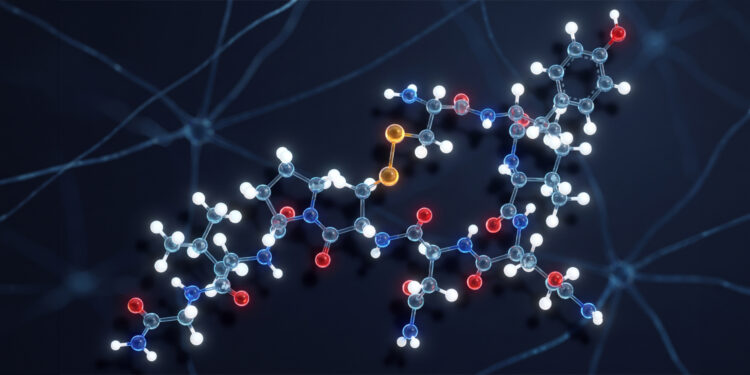
Oxytocin has opposite effects on men’s generosity depending on a their childhood experiences
Childhood adversity might alter how the brain responds to social hormones. A study in Translational Psychiatry suggests oxytocin temporarily increases altruism in adults with difficult childhoods, but decreases generosity in those with fewer adverse early experiences.
Read moreDetails
How physical stress symptoms shape the emotional content of women’s dreams
Women experiencing physical symptoms of stress, like headaches or muscle pain, report more negative dreams. A new psychological survey explores how daytime physical discomfort and general bodily awareness relate to the emotional intensity of our nighttime narratives.
Read moreDetails
New study shed light on how estradiol influences memory networks in middle-aged women
New research published in Brain Imaging and Behavior suggests that estradiol influences how brain areas communicate during memory tasks in middle-aged women. The findings provide evidence that higher hormone levels tend to allow for more efficient brain connectivity.
Read moreDetails
What psychological science actually says about pornography and addiction
The term “porn addiction” is ubiquitous, but clinical realities are far more complex. Current research suggests underlying mental health conditions, emotional dysregulation, and even religious guilt fundamentally shape how individuals perceive their psychological reliance on pornography.
Read moreDetails
A father’s absence is linked to early puberty, but only if it happens during a crucial developmental window
Children growing up without a father in the home during their first year may experience earlier signs of puberty. A recent study published in the Biology of Sex Differences suggests early family environments relate to long-term biological development.
Read moreDetails
Brain scans reveal biological divides based on subtle political differences
A recent brain imaging study found that people with even slightly different political views process information using different neural patterns. Listening to political statements about immigration prompted synchronized brain activity among individuals who shared similar attitudes.
Read moreDetails
Brains of teens with depression remain on high alert to social rejection
Teens with depression show unique brain patterns when facing social rejection. A recent brain imaging study reveals that their amygdala fails to adapt to repeated social threats, keeping them on high alert during difficult peer interactions.
Read moreDetails
Gen Z Americans are more willing to use blockades and violence to stop public speakers
A new survey reveals that Gen Z is significantly more likely than older generations to support using shoutdowns, blockades, and violence to silence public speakers, regardless of whether the young adults attend college.
Read moreDetails
University teachers with a strong sense of purpose report higher job satisfaction
College instructors who view their profession as a profound personal calling report higher levels of engagement in their daily work, a relationship heavily influenced by their loyalty to their school and overall job satisfaction.
Read moreDetails
Scientists discover an epigenetic mechanism that links childhood trauma to adult stress sensitivity
A recent study indicates how early-life trauma leaves a lasting mark on the brain. By altering how DNA is packaged in dopamine neurons, early adversity primes the brain for future anxiety. Blocking this process in mice prevented stress hypersensitivity.
Read moreDetails
Brain imaging reveals why some people struggle to resist sweet foods
A recent brain imaging study reveals that people who rapidly remove the reward chemical dopamine after a sugar spike may have a harder time controlling their cravings for sweet foods.
Read moreDetails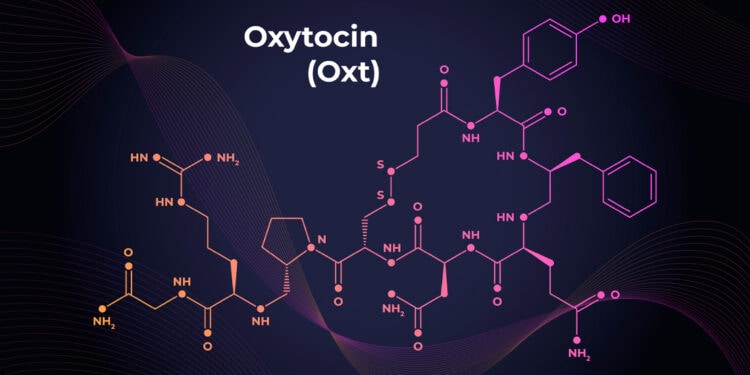
New study tracks oxytocin spikes in MDMA therapy trials
A new meta-analysis reveals that the psychoactive drug MDMA triggers a sustained release of the social hormone oxytocin. This biological mechanism may explain the drug's ability to enhance empathy and help patients during psychiatric therapy.
Read moreDetails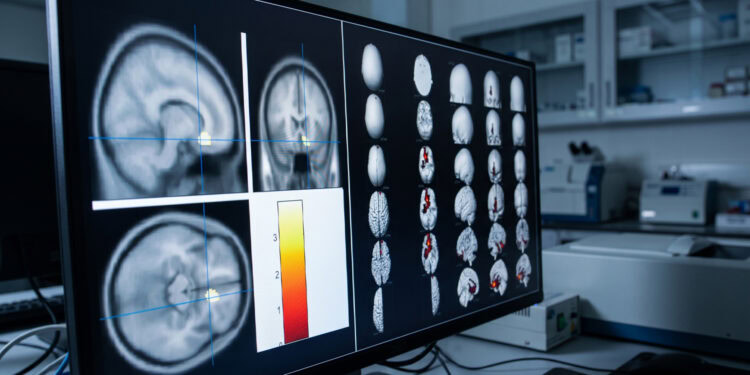
Negative social media posts correlated with changes in the brain’s fear network during the COVID-19 lockdown
A recent study suggests that collective emotional stress during the COVID-19 lockdown was associated with changes in the brain. Researchers found that negative public mood on social media correlated with reduced metabolism in emotional regulation centers.
Read moreDetails
Severe e-scooter crashes result in higher rates of traumatic brain injuries than motorcycle accidents
An analysis of UK trauma data indicates severe e-scooter accidents result in distinct injury patterns. Compared to motorcyclists and cyclists, injured e-scooter riders suffer significantly higher proportions of traumatic brain injuries and internal organ damage.
Read moreDetails