
Frequent short-video viewers show altered brain function
Young adults who spend at least an hour daily on apps like TikTok show increased connectivity across multiple brain networks compared to lighter users, according to new research.
Read moreDetails
Dark personality traits linked to problematic social media use via jealousy and cyberstalking
A new study suggests that for people with dark personality traits, problematic social media use is often tied to relationship jealousy. For these individuals, compulsive scrolling frequently involves suspicious thoughts and cyberstalking their romantic partners.
Read moreDetails
Gratitude makes people more helpful, but it doesn’t overcome the bystander effect
A new study published in Cognition and Emotion indicates that while gratitude boosts your overall willingness to help someone in need, it doesn't overcome the bystander effect. Even grateful people hesitate when a crowd is present.
Read moreDetails
Many video game trolls are actually just vigilantes acting on a misunderstanding, study suggests
New research suggests much of the toxic behavior in online video games stems from a simple misunderstanding. When players misinterpret ambiguous actions as trolling, they often retaliate, accidentally sparking a contagious cycle of digital harassment.
Read moreDetails
Democrats and Republicans show different reactions to unfavorable news
People actively alter how much and what kind of news they read depending on whether the day’s headlines are favorable to their preferred political party, shifting their browsing habits in response to negative coverage.
Read moreDetails
Most Americans don’t actually understand the judicial philosophies they endorse
A recent study in Political Research Quarterly suggests that while Americans claim to support specific judicial philosophies, most struggle to apply them consistently. For the general public, terms like originalism act more as symbolic labels than structured legal frameworks.
Read moreDetails
Study reveals a psychological link between feeling disadvantaged and using people
When people feel disadvantaged compared to their peers, they are more likely to view relationships as mere transactions. A new psychology study reveals how this sense of relative deprivation causes individuals to treat others as tools for personal gain.
Read moreDetails
Retirees are building new identities on the pickleball court
Pickleball offers retirees a way to forge a new identity after leaving the workforce. But a new study suggests that building skills and social bonds is more important than simply spending hours on the court.
Read moreDetails
Friends tend to be somewhat closer if their demographic characteristics are similar
Do birds of a feather really flock together? A new study suggests that sharing demographic traits, such as age and gender, is linked to higher emotional closeness in friendships, especially for women and outgoing individuals.
Read moreDetails
Unconscious narcissism is linked to an avoidance of forgiveness
People with hidden antagonistic traits may struggle to forgive others on a deeply automatic level. New research indicates that unconscious narcissism is linked to interpersonal avoidance and reduced benevolence, even when these traits remain hidden on traditional surveys.
Read moreDetails
A 12-country study highlights regional differences in ghosting behaviors and attitudes
People around the world recognize ghosting as a common way to end relationships, but how acceptable they find it varies. A new study explores how geographic location relates to this widespread form of social rejection.
Read moreDetails
Study links emotional blindness to violent behavior behind bars
Inmates who struggle to identify and express their emotions are more likely to behave aggressively. A new study reveals that this emotional deficit fuels violence by creating deep cycles of loneliness and high-anxiety panic within prison populations.
Read moreDetails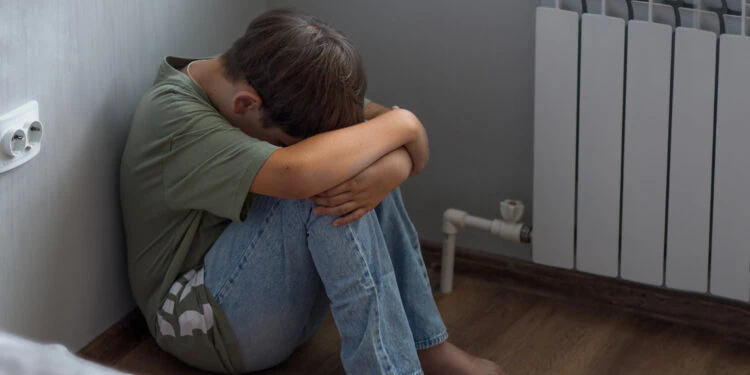
Remembering a chaotic childhood is linked to psychopathic traits, especially in men
Childhood chaos may shape adult personality more than persistent hardship. A new study in Personality and Individual Differences links an unpredictable early home life to psychopathic traits like meanness and disinhibition, particularly among men.
Read moreDetails
Horror soundtracks can make friendly smiles feel eerie and threatening, study finds
A new study in the Quarterly Journal of Experimental Psychology suggests scary music subtly alters how people interpret facial expressions. By tracking subjective ratings and eye responses, researchers found ominous soundtracks can make even friendly faces feel threatening.
Read moreDetails
New research uncovers distinct personality traits among family murder subtypes
New research analyzing convicted offenders in South Korea reveals that specific psychological traits vary across different types of within-family murders. Emotional deficits play a pronounced role in distinguishing those who kill their parents from those who kill their siblings.
Read moreDetails