
East Germans who experienced repression during the GDR show higher distress and systemic inflammation, study finds
Citizens of former East Germany who faced surveillance and harassment still show higher psychological distress and systemic inflammation decades later. A new study reveals how "soft" authoritarian repression leaves a lasting physical and mental mark.
Read moreDetails
Dogmatic beliefs about sex and gender are linked to authoritarianism on both the left and the right
A new study published in Archives of Sexual Behavior indicates that rigid thinking about gender isn’t limited to one political side. Both strictly traditional and highly progressive gender beliefs are strongly linked to authoritarianism.
Read moreDetails
Study reveals which values actually stop voters from supporting antidemocratic politicians
Why do voters support candidates who threaten democracy? A new study suggests that while party loyalty is powerful, holding a strong personal commitment to democratic institutions helps citizens resist antidemocratic politicians at the ballot box.
Read moreDetails
A political shift decades in the making explains Trump’s grip on Congress
A new analysis challenges the narrative that Republican lawmakers back Donald Trump purely out of fear. Instead, decades of political realignment have created a unified base, meaning Congress and the president now answer to the exact same voters.
Read moreDetails
How online toxicity silences the majority and fuels power users
A recent field experiment on Reddit reveals why a vocal minority dominates online political discussions, finding that toxic environments silence the majority while fueling the most active users.
Read moreDetails
Disgust predicts conservative views most strongly in people with low bodily awareness
Being easily disgusted is often linked to conservative political views, but a new study reveals a surprising catch. This connection is actually strongest among individuals who are least aware of their own internal bodily sensations.
Read moreDetails
Men with less modest self-views are more likely to feel victimized and support men’s rights activism
New research suggests that low trait modesty makes men more prone to feeling their gender is unfairly disadvantaged. This perceived victimhood, in turn, strongly predicts support for both conventional and extreme men's rights activism.
Read moreDetails
New study reveals how voters use nonpolitical signals to judge candidates
Do a politician's consumer habits matter to voters? A recent study finds that Americans will judge candidates based on nonpolitical traits like their coffee order, but usually only when explicit information about their party or policies is absent.
Read moreDetails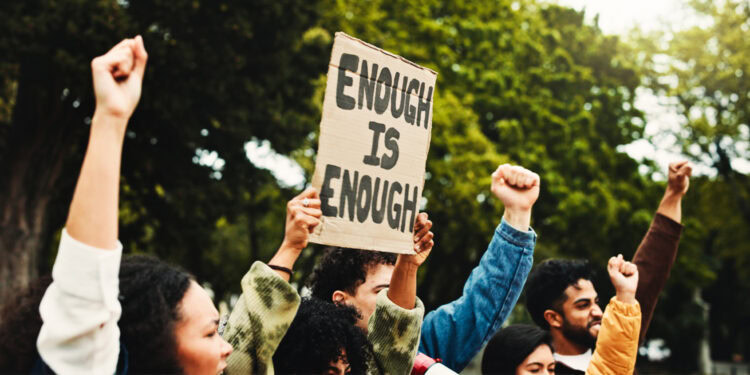
Why do people protest? Six decades of research points to social connections over personal grievances
A comprehensive review of 60 years of research reveals that people who participate in protests are driven more by social connections and political interest than by personal grievances, anger, or mistrust of the government.
Read moreDetails
Conspiracy theories appear to erode public faith in meritocracy
New research reveals that believing in conspiracy theories directly reduces people's faith in societal fairness, eroding the perception that resources are distributed based on merit, equality, or need.
Read moreDetails
Learning about the opposing party’s vaccination rate influences health choices
Public health campaigns often broadcast low vaccination rates to encourage people to get their shots. A recent experiment suggests this strategy might backfire, showing that people adjust their healthcare decisions based on the behavior of opposing political groups.
Read moreDetails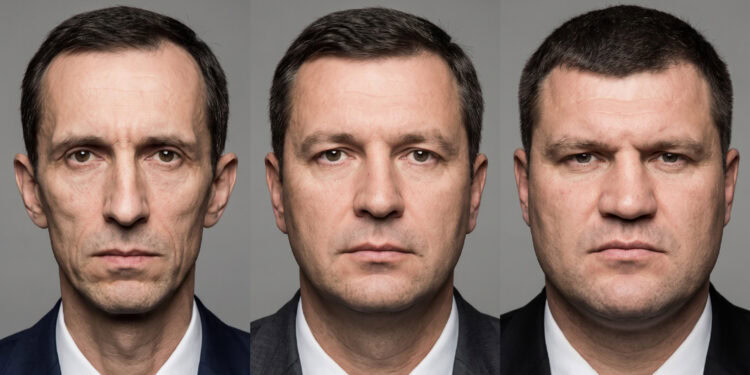
The shape of a leader’s face might predict their likelihood of starting a war
A sweeping new study of world leaders spanning six decades finds that those with wider facial proportions are slightly more likely to initiate military action, particularly during their first few years in office.
Read moreDetails
ICE arrests surged under Trump, but the share of those with criminal records plummeted
A new analysis of 1.6 million ICE records indicates that despite massive surges in federal immigration arrests, the proportion of those apprehended with actual criminal convictions has dropped sharply.
Read moreDetails
Federal science funding cuts push young U.S. researchers to consider moving abroad
Abrupt cuts to federal science funding are threatening the American research workforce. A new survey indicates that early career scientists face severe professional disruptions, pushing many to consider leaving the country or abandoning research entirely.
Read moreDetails
Researchers tracked 43,000 women for 14 years. Here’s what happened to their political views as gender equality improved.
Psychologists have long assumed that people who favor social equality are permanently wired to criticize political institutions. A large new study reveals that as nations achieve greater gender parity, these egalitarians increasingly defend the political status quo.
Read moreDetails