
Family environments shape authoritarian traits differently than dominance preferences
A large study of twins and their families reveals that authoritarian traits are heavily shaped by upbringing, while preferences for social hierarchy stem from unique personal experiences outside the home.
Read moreDetails
How cognitive shortcuts fuel American political divisions
When voters clash over public policy, their mutual dislike is driven by how recognizable and organized their beliefs are. A new study finds that structured, consistent political views fuel much deeper animosity than moderate or mixed opinions.
Read moreDetails
A computational model explains the sudden rise in societal division
A new computational model reveals that simply increasing the number of close social connections past a certain threshold naturally forces society to splinter into deeply divided, polarized echo chambers.
Read moreDetails
Male politicians show a spike in care-oriented language during peak periods of war
A new study of the Israeli Knesset reveals that politicians who use care-based language propose more constructive policies. While women express care more consistently, male lawmakers show a surprising spike in empathy during peak periods of war.
Read moreDetails
Living in a democracy is linked to better mental health through personal autonomy
New research reveals that living in a democracy is linked to better mental health, primarily because it fulfills a basic psychological need for autonomy. The subjective experience of political freedom matters more than official institutional metrics.
Read moreDetails
Researchers identify a simple way to soften deep political divides
People often overestimate how much their political opponents despise them. But new research suggests that tweaking your daily news diet could help correct these toxic assumptions and unexpectedly foster a sense of connection with the other side.
Read moreDetails
Why some young people stick with social causes while others fade away
Young adults drawn to social causes by deep moral convictions are more likely to stay engaged than those seeking social approval. New research reveals how political ideology and specific emotions shape whether a person’s activism lasts.
Read moreDetails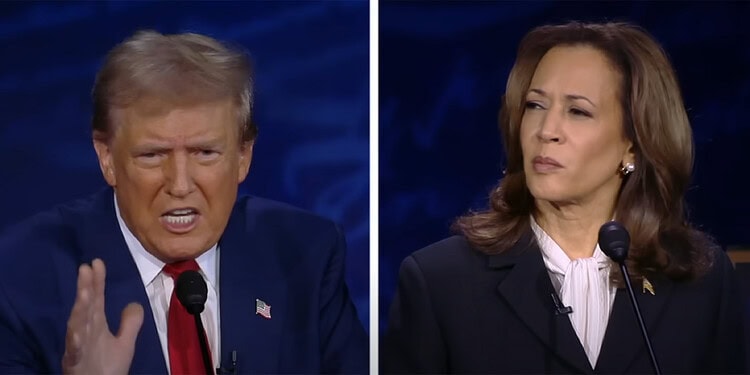
Study finds media coverage of the 2024 presidential race favored political spectacle over substantive policy debates
During the chaotic 2024 presidential election, major U.S. newspapers focused heavily on political strategy and legal battles rather than substantive policy. A recent study indicates that media coverage remained largely negative, except for a brief bump for Kamala Harris.
Read moreDetails
The gender gap in politics is not widening as much as you think
Despite narratives of a growing political divide between the sexes, new research shows that men and women actually shift their opinions in parallel. Major national events, rather than generational changes, drive these unified shifts in public opinion.
Read moreDetails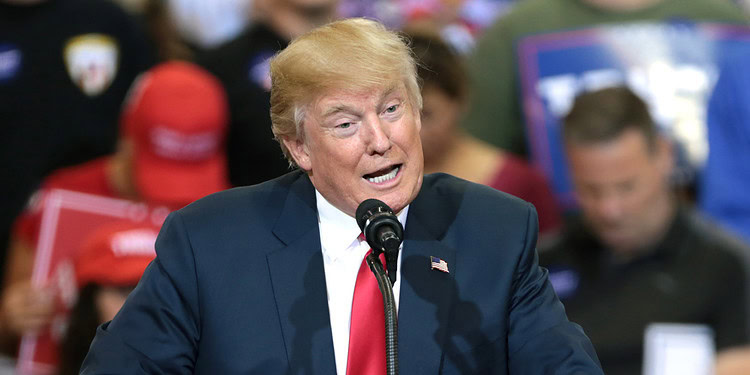
Donald Trump’s New York accent has subtly shifted over the past five decades
Acoustic analysis of Donald Trump’s speech from 1980 to 2023 reveals that while he largely maintained his classic New York accent, he steadily shifted his pronunciation of stigmatized vowels.
Read moreDetails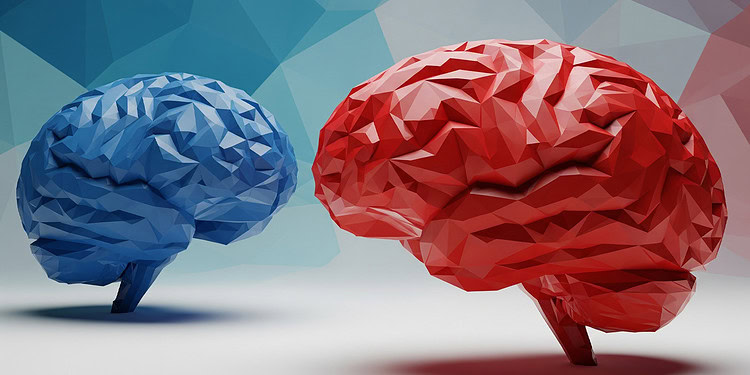
Brain scans reveal biological divides based on subtle political differences
A recent brain imaging study found that people with even slightly different political views process information using different neural patterns. Listening to political statements about immigration prompted synchronized brain activity among individuals who shared similar attitudes.
Read moreDetails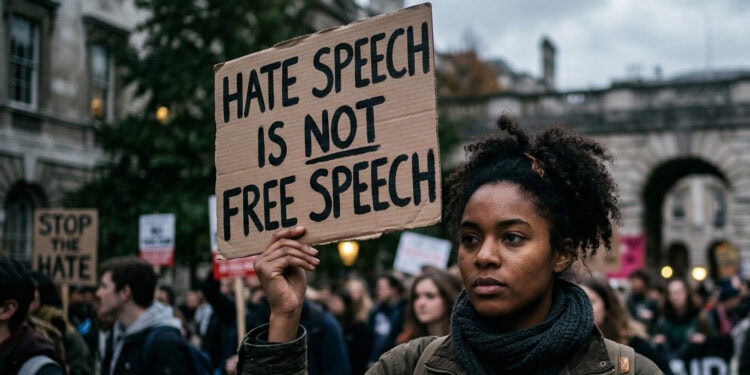
Gen Z Americans are more willing to use blockades and violence to stop public speakers
A new survey reveals that Gen Z is significantly more likely than older generations to support using shoutdowns, blockades, and violence to silence public speakers, regardless of whether the young adults attend college.
Read moreDetails
Doomscrolling political news during your downtime predicts reduced engagement at work
Consuming political news outside of work is associated with how employees feel on the job. A new study suggests negative media predicts workplace anxiety, while positive content is linked to increased hope and helpfulness.
Read moreDetails
The partisan divide over civil rights legislation widened abruptly in the 1990s and 2010s
Legislative support for civil rights in Congress has grown over the past fifty years, but this support is increasingly divided by party. A new study indicates this polarization accelerated sharply during the 1990s and 2010s.
Read moreDetails
Voters punish politicians more for infidelity if their spouse leaves them
When a politician is caught in a sex scandal, their spouse’s reaction can shape the public fallout. A new experiment reveals that voters judge unfaithful candidates far more harshly if their spouse decides to end the marriage.
Read moreDetails