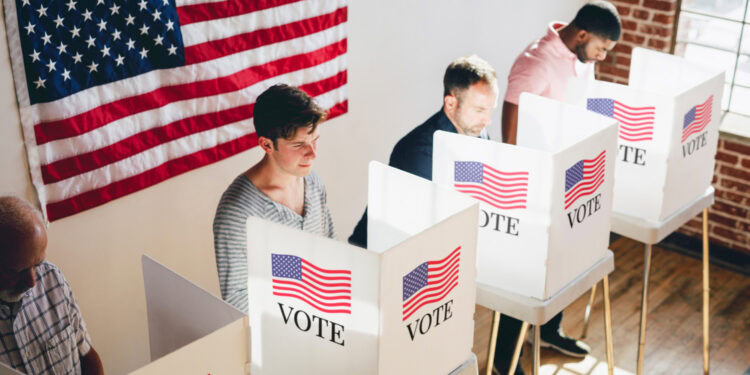
Frustration, not fear of judgment, drives the rise of independent voters
A record number of Americans now identify as political independents. A new study reveals voters are shedding their party labels not to avoid social stigma, but because they are genuinely frustrated with their own party's candidates and platforms.
Read moreDetails
Evolving political views linked to changes in brain activity
A small longitudinal study reveals that as people’s political loyalties evolve, their brain activity patterns shift in tandem. These neural changes are driven more by shifting group identity than by alterations in abstract ideological beliefs.
Read moreDetails
Does Google Search favor a liberal view on immigration?
A new study analyzing Google Search results in Sweden found an overall positive slant toward immigration, but the search engine's ranking algorithm consistently prioritized neutral, unpoliticized links at the top of the page.
Read moreDetails
Democrats and Republicans show different reactions to unfavorable news
People actively alter how much and what kind of news they read depending on whether the day’s headlines are favorable to their preferred political party, shifting their browsing habits in response to negative coverage.
Read moreDetails
Most Americans don’t actually understand the judicial philosophies they endorse
A recent study in Political Research Quarterly suggests that while Americans claim to support specific judicial philosophies, most struggle to apply them consistently. For the general public, terms like originalism act more as symbolic labels than structured legal frameworks.
Read moreDetails
Losing an election is associated with lower social trust among polarized voters
A new study suggests that voters whose preferred party loses a national election experience a decline in generalized social trust. This gap widens among highly polarized voters who harbor strong negative feelings toward opposing political parties.
Read moreDetails
The psychological power of naming legislation after victims
Lawmakers frequently name bills after victims of tragic events to rally public support. A new psychology study reveals that attaching a personal narrative to proposed legislation reliably boosts voter approval, driven largely by feelings of sympathy.
Read moreDetails
Narcissists are actually less likely to endorse left-wing authoritarianism, study finds
New research suggests that narcissistic personality traits are actually linked to lower levels of left-wing authoritarianism. The findings contradict claims that individuals with dark personalities are widely drawn to progressive activism simply to feed their own egos.
Read moreDetails
The “folk hero” narrative surrounding Luigi Mangione increased Democrats’ support for violence against Republicans, study finds
The viral "folk hero" narrative surrounding the arrest of Luigi Mangione didn't just target corporate America. New research shows the event increased Democrats' willingness to endorse hypothetical acts of violence against Republican opponents.
Read moreDetails
Anti-democratic attitudes are highly contagious, new psychology study finds
The rise of anti-democratic sentiments might be driven by social contagion. Researchers have discovered that citizens often adapt their personal support for authoritarian rule to align with the political views of those around them.
Read moreDetails
New research warns of a looming partisan battle over artificial intelligence
A recent study suggests that public opinion on artificial intelligence is already deeply divided. These beliefs about job security and economic threats align with existing political lines, creating an easy opportunity for politicians to exploit voter anxiety.
Read moreDetails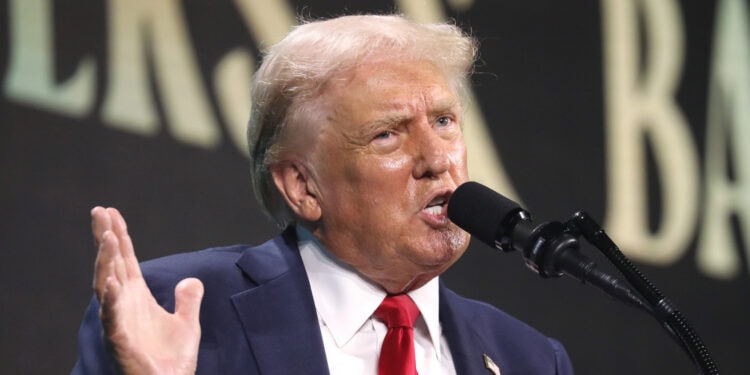
Donald Trump and Hunter Biden convictions shed light on the mental gymnastics of political scandals
Research published in the American Behavioral Scientist indicates voters actively rationalize legal scandals to protect their political identity. This mental effort dictates whether individuals view a politician's criminal conviction as a fair judgment or a politically motivated attack.
Read moreDetails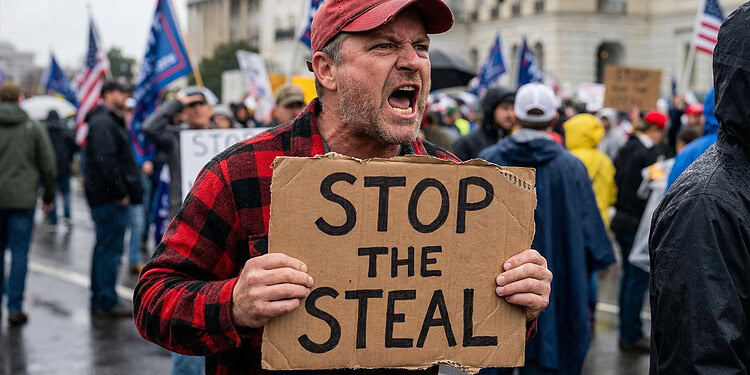
Election distrust mobilizes conservatives, while liberals participate regardless of trust
Does doubting election results make people withdraw from politics? According to new research, it does the exact opposite for conservative voters, motivating them to attend rallies and donate to campaigns.
Read moreDetails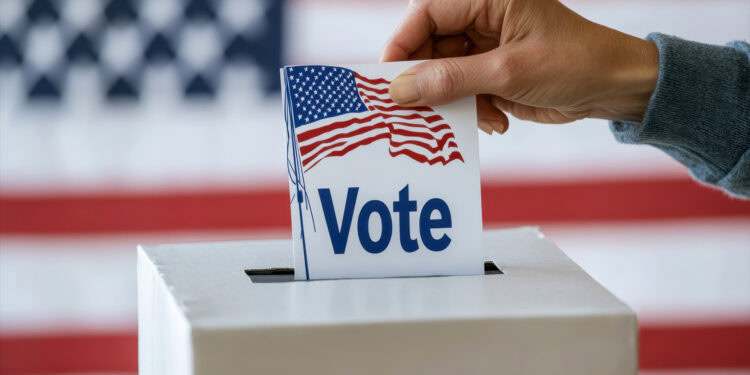
Forcing people to vote doesn’t make them more engaged citizens, study finds
A new study of Belgian elections reveals that while compulsory voting drastically increases turnout, it does not automatically make citizens more interested in politics, knowledgeable about government, or supportive of democracy.
Read moreDetails
Nine recent studies that reveal the hidden psychology of American politics
Political beliefs now dictate more than just voting habits. Recent research reveals that our partisan identities actively shape how we interpret smiles, manage our moral boundaries, and even decide how many children to have.
Read moreDetails