
Study suggests narcissists’ addictive use of Facebook is partly driven by heightened anxiety
Both grandiose and vulnerable narcissists show an increased risk of developing a Facebook addiction, according to a study published in PLOS One. The researchers further found that this inclination toward social networking addiction may represent a coping mechanism for heightened...
Read moreDetails
Conservative Twitter users dominate the discussion of fake news about the coronavirus, study finds
An analysis of Twitter data suggests that conservatives are the top spreaders of fake news about the COVID-19 crisis. The findings were published in the Journal of Computational Social Science. The coronavirus pandemic has exposed a deep political divide when...
Read moreDetails
Partaking in dishonest behaviors to gain likes on Instagram weakens feelings of peer belonging
A new study suggests that going to great lengths to gain likes on Instagram can decrease one’s feelings of belonging among real-life peers. The findings were published in Computers in Human Behavior. While positive attention received on social media has...
Read moreDetails
Study links regular use of Fox News, Twitter, and Facebook to reduced knowledge about COVID-19
New research provides evidence that Americans' media consumption habits and trust in government predict their level of knowledge about COVID-19. The study appears in the journal Frontiers in Psychology. "We chose to undertake this study to better understand the role...
Read moreDetails
Trump’s tweets divert attention away from topics that are potentially harmful to him, study finds
In both the lead up to and the immediate aftermath of the US presidential election, President Donald Trump made claims of voter fraud and a rigged election, using all channels available to him, including Twitter. Despite the apparent lack of...
Read moreDetails
Trust in COVID-19 information from U.S. government sources plummeted between March and April, study finds
New research indicates there was a steep decline in trust of COVID-19 information provided by U.S. government sources between March and April, during the initial stages of the coronavirus outbreak. The study has been accepted for publication in the journal...
Read moreDetails
Segregated communities of polarized Twitter users are shaping online conversations about COVID-19
An analysis of millions of tweets sent during the early stages of the novel coronavirus outbreak in the United States suggests that polarized discussions on Twitter have increasingly politicized the issue of COVID‐19. The study found that right-leaning Twitter users...
Read moreDetails
Study sheds light on how online news algorithms can skew your picture of reality
A news aggregation app is viewed more favorably when it offers politically personalized content to users, but this personalization might reduce attention to high-quality mainstream sources, according to new research from Louisiana State University. The findings were published in Public...
Read moreDetails
Trump tweets can have explosive impacts on corporate brand images, study finds
It is no surprise that Donald Trump's use of Twitter can influence political attitudes. But new research provides evidence that his tweets can alter consumer perceptions as well. The study, published in Political Research Quarterly, suggests that Trump's calls to...
Read moreDetails
Study suggests reality check comments on Instagram images can help protect women’s body satisfaction
Young women who view idealized photos of thin and attractive females on Instagram tend to experience heightened body dissatisfaction afterward. But new research published in Body Image suggests that "reality check" comments can buffer against this effect. "Looking at Instagram...
Read moreDetails
Students who procrastinate by using Facebook instead of studying show increased anxiety, study finds
New research published in Computers in Human Behavior provides experimental evidence that using social media while ignoring a highly valued goal, such as studying for a final, enhances anxiety. In this age of information technology, people are increasingly connected to...
Read moreDetails
Study of journalists’ tweets suggests the “media bubble” is more like a collection of “microbubbles”
New research provides evidence that Beltway journalists have formed insular subcommunities on Twitter, raising concerns about their ability to generate information for the public. The study, published in the journal Social Media + Society, used an inductive computational analysis to...
Read moreDetails
New study links the fear of missing out to Instagram addiction
A new study in Psychological Reports suggests that personality influences how people use social media. Their findings showed extraverted personalities along with people who have a fear of missing out (FOMO) on fun experiences exhibit more addictive behaviors on Instagram....
Read moreDetailsSocial media fosters conspiracy beliefs about COVID-19, which inhibit health-protective behaviors
The use of social media and conspiracy theories about the new coronavirus, SARS-CoV-2, are linked to reduced engagement with behaviors meant to slow the disease's spread, according to new research published in Psychological Medicine. "I’ve been studying the role of...
Read moreDetails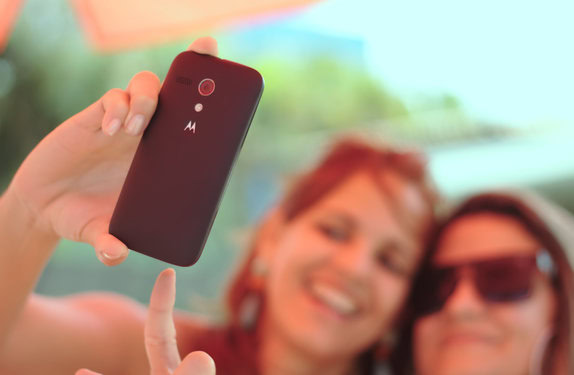
Sharing selfies on Instagram might influence a person’s happiness with life, study suggests
A new study found that people who actively share selfies on Instagram may have a higher satisfaction with life. The findings, published in Human Behavior and Emerging Technologies, correlated people’s happiness with receiving immediate social rewards such as likes and...
Read moreDetails