Potential clients appear cautious about psilocybin-assisted psychotherapy for depression, according to new research published in The Journal of Psychoactive Drugs.
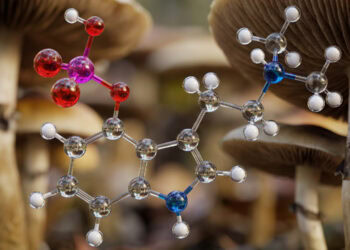
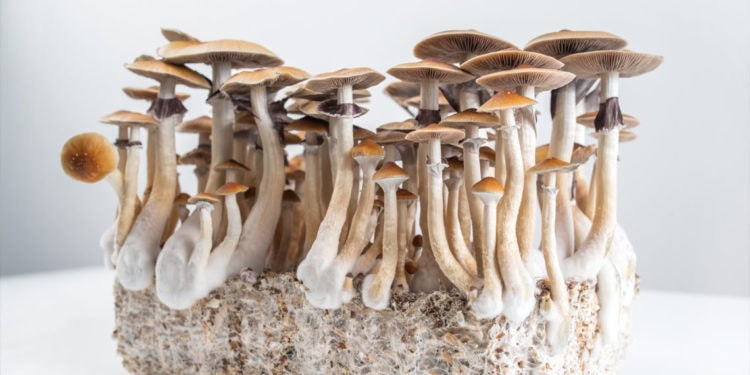
Psilocybin is the primary mind-altering substance in psychedelic “magic” mushrooms. The drug can profoundly alter the way a person experiences the world by producing changes in mood, sensory perception, time perception, and sense of self. Preliminary research has indicated that combining psilocybin with supportive psychotherapy can result in lasting improvements in patients with major depressive disorder and the findings have resulted in glowing media coverage. But, until now, lay impressions of its effectiveness have been unclear.
“As both a researcher and clinician, I am always eager to conduct research that can inform clinical interventions to reduce suffering. Given that depression is highly prevalent and our current treatments leave many folks unimproved, it’s imperative that we examine all potential intervention options,” said Brianna Altman, doctoral candidate at the University at Albany and the corresponding author of the new study.
“We also know that people’s impressions about psychological treatments influence their engagement and subsequent outcomes. As we have seen interest grow in psychedelic-assisted therapy, our team decided to investigate people’s perceptions of psilocybin-assisted therapy as they compare to their perceptions of a standard, evidence-based treatment for depression, cognitive-behavioral therapy.”
The new findings are based on a sample of 803 U.S. adults who were experiencing at least some depressive symptoms as measured via the Center for Epidemiological Studies Depression Scale.
In addition to providing demographic information (such as their age, gender, racial identity, etc), the participants answered several questions about their experiences with psychotherapy and use of psychiatric medications, their use of hallucinogenic substances, and their perceptions of cognitive-behavioral therapy and psilocybin-assisted psychotherapy.
The researchers found that cognitive-behavioral therapy was viewed as more credible than psilocybin-assisted therapy. “This was unsurprising, as we found a similar pattern of results in a previous study from our lab where participants rated cognitive-behavioral therapy as more credible than ketamine-assisted therapy (Earleywine et al., 2021),” Altman told PsyPost.
“Nevertheless, specific characteristics of our sample related to individuals’ preference for one treatment over the other. Participants who had previous therapy experience rated cognitive-behavioral therapy as more credible than those without. Men and folks who have used hallucinogens before rated psilocybin-assisted therapy as more credible than women and those without hallucinogen experience.”
“Ultimately, while it seems people appear cautious about psilocybin-assisted therapy, continued work in this area might help understand how individuals’ perceptions about different depression treatments relate to which treatments they prefer, if they stick with treatment, and how they fare in the long-run,” Altman said.
But how do professional psychologists perceive psilocybin-assisted therapy? A study of 366 licensed clinical or counseling psychologists in the United States found that many mental health professionals were concerned about the possible risks, but most also believed that the use of psychedelic substances could have psychological benefits. Similar to the current findings, that study also found that psychologists tended to be more accepting of traditional medications than psychedelic treatments.
“The biggest limitation is that we don’t know how these findings translate to real world clinical settings where both treatments might be available,” Altman said. “At this point, few settings offer psilocybin-assisted treatment, so it would be important to follow this study up if psychedelic treatments are to be widely offered. Future work could build upon these findings by assessing how individuals’ perceptions of credibility relate to people’s willingness to pursue either treatment.”
The study, “Exploring the Credibility of Psilocybin-assisted Therapy and Cognitive-behavioral Therapy for Depression“, was authored by Brianna R. Altman, Mitch Earleywine, and Joseph De Leo.