Ketamine treatment not only alleviates symptoms of treatment-resistant depression but also enhances social pleasure and empathetic behaviors, according to new research published in the American Journal of Psychiatry. This discovery provides evidence that ketamine can have entactogenic effects.
Empathy is crucial for social cohesion among mammals, including humans. It encompasses cognitive, emotional, and compassionate dimensions, enabling individuals to understand, share, and act upon the emotions of others. Disordered empathy is a common feature in various psychiatric conditions such as major depression, autism spectrum disorder, and antisocial personality disorder.
For individuals with major depression, an imbalance in empathy can lead to profound loneliness and despair due to an inability to connect socially. Despite the significant impact of disordered empathy, there are currently no approved medications specifically designed to enhance empathy.
Recent interest in psychedelic compounds like MDMA, LSD, and psilocybin has shown promise in facilitating social cohesion and empathy. However, regulatory hurdles and time constraints pose significant challenges for their clinical use. This study aimed to bridge this gap by investigating whether ketamine, an already approved medication for treatment-resistant depression, possesses entactogenic properties.
“I am generally interested in the effects of rapid-acting antidepressant drugs, their mechanisms, and their translation between humans and animal models,” said study author Todd Gould, a professor of psychiatry, pharmacology, and neurobiology at the University of Maryland School of Medicine.
The study involved 68 participants aged 18 to 65, all diagnosed with either major depressive disorder or bipolar disorder and currently experiencing a major depressive episode. These individuals had not responded to at least one antidepressant during their current episode. Conducted at the National Institute of Mental Health, the study used a double-blind, placebo-controlled, crossover design. Each participant received both a ketamine infusion (0.5 mg/kg over 40 minutes) and a placebo infusion, administered two weeks apart in random order. The study did not include structured psychotherapy.
The researchers assessed the participants’ pleasure from social interactions using the Snaith-Hamilton Pleasure Scale (SHAPS). This scale includes items that measure enjoyment from social activities. The Montgomery-Åsberg Depression Rating Scale (MADRS) was also used to evaluate overall depressive symptoms before and after each infusion.
Ketamine increased the likelihood of participants reporting pleasure from social interactions compared to the placebo. Specifically, participants reported greater enjoyment from being with family, seeing smiling faces, helping others, and receiving praise. These effects were observed up to one week after the ketamine infusion. Interestingly, when controlling for overall antidepressant effects (as measured by MADRS), the specific enhancement of social pleasure was not distinguishable, indicating that these prosocial effects might be intertwined with the general mood-lifting properties of ketamine.
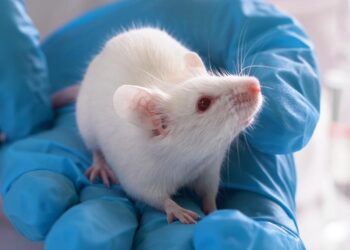
To further understand ketamine’s effects on empathy, researchers used a rodent model involving the Harm Aversion Task (HAT). In this experiment, rats were trained to press a lever to receive a sucrose pellet. During HAT sessions, pressing the lever also delivered a mild electric shock to a cage mate, creating a situation where the rat could choose to forgo the reward to prevent harm to its companion. Researchers measured the rats’ willingness to press the lever after receiving either saline or ketamine injections.
In the rodent model, ketamine-treated rats demonstrated increased empathetic behavior. They were more likely to forgo pressing the lever, thus protecting their cage mate from shocks, compared to saline-treated rats. This effect persisted for up to six days post-treatment, suggesting a lasting impact of ketamine on empathetic behavior. Importantly, this increased harm aversion was not linked to changes in sucrose-seeking behavior, indicating a specific enhancement of empathy rather than a general increase in reward sensitivity.
“We suspected that empathy may be modulated by ketamine, and assessed this both in a human data set of individuals who received ketamine treatment for depression and in a rat model of empathy,” Gould said.
Despite these promising findings, the study has limitations. The SHAPS does not directly measure changes in social behavior, only self-reported pleasure. Future research should include behavioral assessments to determine if ketamine-treated patients are more likely to engage in prosocial behaviors.
“Ketamine treats a number of symptoms associated with depression, including depressed mood, anhedonia, and suicidality,” Gould explained. “Thus, its effects on measures of empathy are non-specific. Further, our studies utilized a rating scale to measure anhedonia and selected specific questions related to empathy. It will be helpful for future studies to utilize assessments better equipped to comprehensively assess components of empathy. Long-term goals include the use of ketamine and other drugs to selectively treat symptoms, independent of DSM diagnoses.”
The study, “Entactogen Effects of Ketamine: A Reverse-Translational Study,” was authored by Evan M. Hess, Dede K. Greenstein, Olivia L. Hutchinson, Carlos A. Zarate, and Todd D. Gould.