Subscribe
The latest psychology and neuroscience discoveries.
My Account
  • Mental Health
  • Social Psychology
  • Cognitive Science
  • Neuroscience
  • About
No Result
View All Result
PsyPost
PsyPost
No Result
View All Result
Home Exclusive Psychopharmacology

Neuroscience study uncovers psilocybin-induced changes in brain connectivity

by Eric W. Dolan
January 20, 2020
in Psychopharmacology
Share on TwitterShare on Facebook

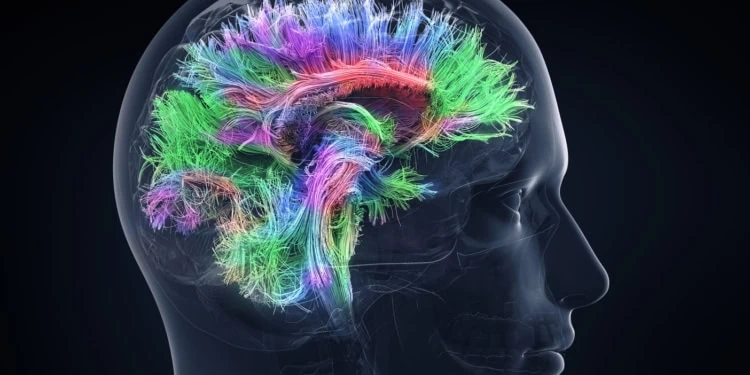
New research published in Biological Psychology sheds light on the neurophysiological underpinnings of the psychedelic experience. The study provides new details about how psilocybin — the active component in “magic” mushrooms — changes the communication patterns between regions of the brain.

“Psychedelics are currently being investigated for the treatment of psychiatric disorders. However, it is still unclear how they change brain activity and connectivity to induce their unique effects,” explained study author Katrin Preller of the University of Zurich and Yale University.

“We therefore conducted a study to investigate the time-dependent effects of psilocybin on brain connectivity and the association between changes in brain connectivity and receptor pharmacology.”

In the study, 23 healthy human participants underwent MRI brain scanning 20 minutes, 40 minutes, and 70 minutes after receiving either psilocybin or a placebo. The researchers observed reduced connectivity between brain areas involved in planning and decision-making but increased connectivity between areas involved in sensation and movement while the participants were under the influence of the psychedelic drug.

Preller and her colleagues conducted a similar study on LSD, and obtained “virtually identical” results.

“Psilocybin – similar to LSD – induced a pattern of brain connectivity that is characterized by increased synchronization of sensory brain regions and decreased connectivity of associative networks,” she told PsyPost.

“Increased sensory processing but altered integration of this sensory information may therefore underlie the psychedelic state and explain the symptoms induced by psilocybin. Furthermore, this pattern of changes in connectivity was closely associated with spatial expression of the serotonin 2A and 1A receptors – pinpointing these receptors as critical for the effects of psilocybin.”

Another drug called ketanserin, a serotonin 2A antagonist, prevented the effects of both psilocybin and LSD, suggesting that changes in brain connectivity caused by these psychedelic drugs are linked to stimulation of the serotonin 2A receptor.

Google News Preferences Add PsyPost to your preferred sources

“In this study we investigated different time points from administration to subjective peak effects. Future studies need to investigate how psilocybin impacts brain connectivity during a later phase and post-acutely,” Preller noted.

The study, “Psilocybin induces time-dependent changes in global functional connectivity“, was authored by Katrin H. Preller, Patricia Duerler, Joshua B. Burt, Jie Lisa Ji, Brendan Adkinson, Philipp Stämpfli, Erich Seifritz, Grega Repovs, John H. Krystal, John D. Murray, Alan Anticevic, and Franz X. Vollenweider.

Previous Post

Self-compassion may protect U.S. military veterans from suicidal behavior, according to new research

Next Post

Fox News appears to have made Republicans more likely to challenge vulnerable Democratic incumbents

RELATED

Democrats dislike Republicans more than Republicans dislike Democrats, studies find
Ayahuasca

A single dose of DMT reverses depression-like symptoms in mice by repairing brain circuitry

March 8, 2026
Stimulant medications normalize brain structure in children with ADHD, study suggests
ADHD Research News

Long-term ADHD medication use does not appear to permanently alter the developing brain

March 5, 2026
Hemp-derived cannabigerol shows promise in reducing anxiety — and maybe even improving memory
Alcohol

Using cannabis to cut back on alcohol? Your working memory might dictate if it works

March 5, 2026
New psychology research flips the script on happiness and self-control
Cannabis

Exploring the motivations for cannabis use during sex

March 4, 2026
Chocolate lovers’ brains: How familiarity influences reward processing
Cognitive Science

A single dose of cocoa flavanols improves cognitive performance during aerobic exercise

March 4, 2026
Scientists discover psychedelic drug 5-MeO-DMT induces a state of “paradoxical wake”
Ayahuasca

Scientists discover psychedelic drug 5-MeO-DMT induces a state of “paradoxical wake”

March 4, 2026
New research: AI models tend to reflect the political ideologies of their creators
Neuroimaging

Psilocybin produces different behavioral and brain-altering effects depending on the dose

February 26, 2026
Consumption of gluten harms the hypothalamus region of the brain in male mice and may lead to obesity, study finds
Ketamine

Ketamine blocks the short-term anxiety and social withdrawal linked to adolescent social defeat

February 25, 2026

STAY CONNECTED

LATEST

Therapists test an AI dating simulator to help chronically single men practice romantic skills

Women with tattoos feel more attractive but experience the same body anxieties in the bedroom

Misophonia is strongly linked to a higher risk of mental health and auditory disorders

Brain scans reveal the unique brain structures linked to frequent lucid dreaming

Black Lives Matter protests sparked a short-term conservative backlash but ultimately shifted the 2020 election towards Democrats

Massive global study links the habit of forgiving others to better overall well-being

Neuroscientists have pinpointed a potential biological signature for psychopathy

Supportive relationships are linked to positive personality changes

PsyPost is a psychology and neuroscience news website dedicated to reporting the latest research on human behavior, cognition, and society. (READ MORE...)

  • Mental Health
  • Neuroimaging
  • Personality Psychology
  • Social Psychology
  • Artificial Intelligence
  • Cognitive Science
  • Psychopharmacology
  • Contact us
  • Disclaimer
  • Privacy policy
  • Terms and conditions
  • Do not sell my personal information

(c) PsyPost Media Inc

Welcome Back!

Login to your account below

Forgotten Password?

Retrieve your password

Please enter your username or email address to reset your password.

Log In

Add New Playlist

Subscribe
  • My Account
  • Cognitive Science Research
  • Mental Health Research
  • Social Psychology Research
  • Drug Research
  • Relationship Research
  • About PsyPost
  • Contact
  • Privacy Policy

(c) PsyPost Media Inc