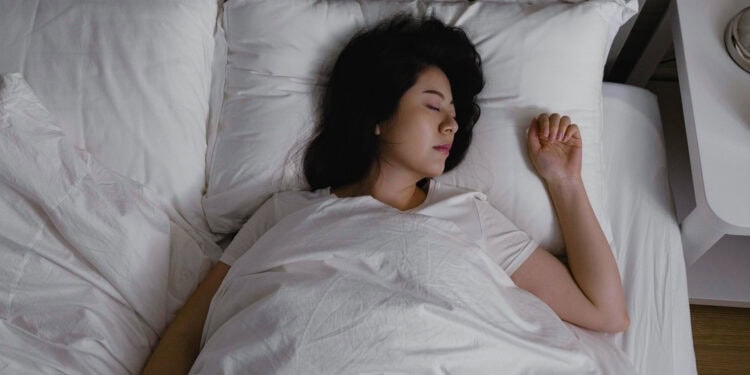
How physical stress symptoms shape the emotional content of women’s dreams
Women experiencing physical symptoms of stress, like headaches or muscle pain, report more negative dreams. A new psychological survey explores how daytime physical discomfort and general bodily awareness relate to the emotional intensity of our nighttime narratives.
Read moreDetails
Brains of teens with depression remain on high alert to social rejection
Teens with depression show unique brain patterns when facing social rejection. A recent brain imaging study reveals that their amygdala fails to adapt to repeated social threats, keeping them on high alert during difficult peer interactions.
Read moreDetails
Negative social media posts correlated with changes in the brain’s fear network during the COVID-19 lockdown
A recent study suggests that collective emotional stress during the COVID-19 lockdown was associated with changes in the brain. Researchers found that negative public mood on social media correlated with reduced metabolism in emotional regulation centers.
Read moreDetails
Severe e-scooter crashes result in higher rates of traumatic brain injuries than motorcycle accidents
An analysis of UK trauma data indicates severe e-scooter accidents result in distinct injury patterns. Compared to motorcyclists and cyclists, injured e-scooter riders suffer significantly higher proportions of traumatic brain injuries and internal organ damage.
Read moreDetails
Childhood ADHD is linked to distinct developmental changes in brain white matter
Using data from a massive long-term study, researchers found that 9-year-olds with ADHD have altered white matter microarchitecture. These early differences in nerve organization and cellular density offer new clues into the neurodevelopmental roots of the disorder.
Read moreDetails
The complex science of positive affirmations, and why they occasionally backfire
The internet frequently touts positive affirmations as a universal remedy for distress. However, scientific evidence indicates that while these mantras offer modest benefits for certain populations, they carry hidden psychological risks requiring a cautious approach.
Read moreDetails
New research shows the unexpected benefits of a fixed mindset for social anxiety
For those struggling with social anxiety, the belief that first impressions can't be changed might actually be a relief. New research shows that adopting a fixed mindset about social judgments can reduce stress and improve conversational performance.
Read moreDetails
Emotional intelligence predicts whether envy leads to self-improvement or hostility
A new study suggests that individuals with higher emotional intelligence are more likely to channel feelings of envy into self-improvement. The findings indicate that emotion regulation helps turn unpleasant feelings into constructive motivation rather than interpersonal hostility.
Read moreDetails
Brain’s cannabinoid system links persistent anxiety to stronger alcohol reward learning
Mice with persistent anxiety are quicker to learn about alcohol-related rewards than their less anxious peers. A new study reveals this connection is controlled by the brain’s endocannabinoid system, offering clues into anxiety and alcohol use disorders.
Read moreDetails
Trichotillomania: Boredom and tiredness outpace negative emotions as predictors of hair pulling
People with hair-pulling disorder often blame negative emotions for their symptoms. However, a new real-time tracking study reveals that boredom and tiredness may actually be more consistent predictors of future hair-pulling episodes than emotional distress.
Read moreDetails
Medicinal mushroom supplements linked to a sudden relapse of psychosis in new case report
A recent case report suggests that over-the-counter medicinal mushroom supplements might have worsened severe psychotic symptoms in a young man with cerebral palsy, highlighting the potential psychiatric risks of mixing natural remedies with mental health conditions.
Read moreDetails
Early antidepressant use is linked to higher levels of sexual boredom
People using common antidepressants for up to two years report higher levels of general and sexual boredom than non-users. This hidden side effect could explain why some patients struggle to stick with their mental health treatments over time.
Read moreDetails
Men face an elevated risk of suicide immediately following a relationship breakdown
A massive global review of more than 100 million men reveals that the risk of suicidal thoughts and behaviors spikes following a relationship breakdown, with young and recently separated men facing the highest vulnerabilities.
Read moreDetails
Taxi and ambulance drivers show significantly lower Alzheimer’s risk in national mortality study
Professions requiring constant spatial navigation physically reshape the hippocampus, the brain region Alzheimer’s attacks first. By routinely building mental maps, individuals may develop a cognitive reserve that delays the onset of severe memory loss.
Read moreDetails
A man began hearing voices from his body parts after receiving testosterone injections
A recent case report details how a 45-year-old man developed severe religious delusions and hallucinations after receiving prescribed testosterone injections. His undiagnosed genetic condition may have increased his vulnerability to these rare psychiatric side effects.
Read moreDetails