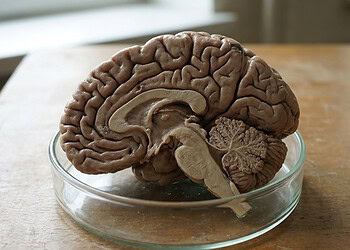
An analysis of data from the National Survey of Children’s Health has found that physically inactive children exhibit higher rates of anxiety and depression compared to their physically active peers. This trend was especially pronounced in children with autism and ADHD, who had significantly higher prevalence rates of these disorders than their healthy peers, regardless of physical activity levels. The research was published in the Journal of Autism and Developmental Disorders.
Autism spectrum disorder (ASD) and attention-deficit/hyperactivity disorder (ADHD) are among the most common developmental disorders. Of the two, ADHD is more prevalent, affecting approximately 5–7% of children globally, while autism affects 1–2%.
ASD is a developmental condition characterized by challenges in social interaction, communication, and repetitive behaviors, often accompanied by unique strengths and differences in sensory processing or learning styles. ADHD, in contrast, is marked by persistent patterns of inattention, hyperactivity, and impulsivity that interfere with daily functioning and development.
School-age children with these conditions also experience higher rates of other mental health conditions, such as anxiety and depression. A recent analysis showed that youth aged 12 to 17 with autism or ADHD are up to ten times more likely to experience anxiety and depression than their peers without these disorders.
Study author Amy L. Accardo and her colleagues sought to investigate whether physical activity is associated with the frequency of anxiety and depression among youth with autism or ADHD. They focused on children aged 12 to 17, as prior research indicates that mental health disorders often emerge during this developmental stage.
The researchers analyzed data from the National Survey of Children’s Health (NSCH), a large-scale survey that is nationally representative of children in the United States from birth to age 17. The survey, conducted annually by the Census Bureau and sponsored by the Maternal and Child Health Bureau of the Health Resources and Services Administration (HRSA), provided data collected between 2016 and 2020. The dataset included responses from 71,973 children, as provided by their adult household members.
The researchers examined data on autism and ADHD diagnoses (e.g., “Has a doctor or other health care provider EVER told you that this child has Attention Deficit Disorder or Attention Deficit/Hyperactivity Disorder, that is ADD or ADHD?” and similar for autism), physical activity levels (e.g., “During the past week, on how many days did this child exercise, play a sport, or participate in physical activity for at least 60 minutes?”), and anxiety and depression diagnoses (e.g., “Has a doctor or other health care provider EVER told you that this child has Anxiety Problems?” and similar for depression).
The results revealed that children with anxiety engaged in less physical activity, regardless of whether they had autism or ADHD. Approximately 69% of physically inactive children with autism (0 days of physical activity per week) experienced anxiety, compared to 55% of those who engaged in physical activity at least one day per week.
Similarly, 42% of physically inactive children with ADHD experienced anxiety, compared to 40% of those who engaged in physical activity 1–3 days per week, and 32% of those who were active 4–7 days per week. Among healthy children, 16% of those with no physical activity experienced anxiety, compared to 10% of those active 1–3 days per week, and 7% of those active 4–7 days per week.
Greater physical activity was also linked to lower rates of depression. Among children with autism, 39% of those who were physically inactive experienced depression, compared to 29% of those active 1–3 days per week, and 23% of those active 4–7 days per week. Similar trends were observed in children with ADHD, although the rates were slightly lower. For healthy children, 12% of those who were physically inactive experienced depression, compared to 6% of those active 1–3 days per week, and 4% of those active 4–7 days per week.
“Findings showed that physical activity was associated with significantly lower reported diagnoses of anxiety or depression among autistic youth, youth with ADHD, and non-autistic non-ADHD youth. Findings highlight a need to determine the cause-and-effect relationships among physical activity, anxiety, and depression across groups and to prioritize mental health screenings and support for autistic youth and youth with ADHD,” the study authors concluded.
While the study highlights potential links between physical activity and mental health, its design does not allow for causal inferences. Although physical activity may reduce the likelihood of anxiety and depression, it is equally plausible that anxiety and depression limit children’s opportunities and motivation to engage in physical activity. Additional factors that might explain these associations remain to be explored.
The paper, “Greater Physical Activity is Associated with Lower Rates of Anxiety and Depression Among Autistic and ADHD Youth: National Survey of Children’s Health 2016–2020,” was authored by Amy L. Accardo, Nancy M. H. Pontes, and Manuel C. F. Pontes.