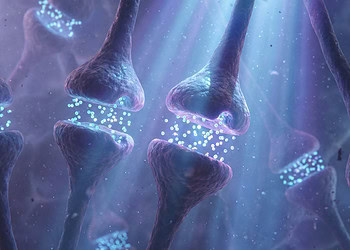
Researchers at the University of California San Diego have made a significant discovery about the aging process of brain cells, revealing that some brain cells age faster than others. They found that these rapidly aging cells are more abundant in individuals with Alzheimer’s disease.
Additionally, the study uncovered differences in how brain cells age between men and women, with female brains showing a higher proportion of “old” oligodendrocytes—cells that provide support to neurons—compared to men. These findings not only offer new insights into the cellular mechanisms behind Alzheimer’s disease but also suggest that women may be at a higher risk for certain neurodegenerative disorders due to these cellular differences.
The motivation behind this research, published in the journal Nature, stemmed from a long-standing question in neuroscience: why do some brain cells deteriorate faster than others, particularly in the context of neurodegenerative diseases like Alzheimer’s? The research team, led by Sheng Zhong, aimed to explore the molecular mechanisms that drive the aging process within individual brain cells. Understanding these mechanisms could provide critical clues for developing targeted therapies that might slow down or prevent the onset of diseases like Alzheimer’s.
To tackle this complex problem, the researchers developed and utilized an innovative technique called MUSIC, which stands for multinucleic acid interaction mapping in single cells. This method allowed the team to closely examine the interactions between chromatin (the tightly packed form of DNA) and RNA within individual brain cells. These interactions are crucial because they influence gene expression, which in turn affects how cells function and age. By studying these interactions at such a detailed level, the researchers could identify specific patterns associated with aging and disease.
“MUSIC is a powerful tool that can allow us to dig deeper into the complexities of Alzheimer’s disease,” said Zhong, a professor in the Shu Chien-Gene Lay Department of Bioengineering at the UC San Diego Jacobs School of Engineering. “The technology has the potential to help us uncover novel molecular mechanisms underlying Alzheimer’s pathology, which could pave the way for more targeted therapeutic interventions and improved patient outcomes.”
The study involved analyzing postmortem brain samples from 14 donors, aged 59 years and older, some of whom had Alzheimer’s disease while others did not. The researchers focused on the frontal cortex, a brain region involved in memory, attention, and executive functions. By applying the MUSIC technique, they were able to map out the interactions between chromatin and RNA in different types of brain cells. One of the key observations was that brain cells with fewer short-range chromatin interactions—a sign of altered chromatin structure—were more likely to show characteristics of aging and Alzheimer’s disease.
One of the most striking findings from the study was the discovery that some types of brain cells age much more rapidly than others. These “older” cells were found in greater numbers in individuals with Alzheimer’s disease compared to those without the disease. This suggests that the accumulation of these rapidly aging cells could be a contributing factor to the development or progression of Alzheimer’s.
“With this transformative single-cell technology, we discovered that some brain cells are ‘older’ than others,” said Zhong.
The study also revealed sex-specific differences in how brain cells age. In female brains, particularly in the cortex, there was a higher ratio of old oligodendrocytes to old neurons compared to male brains. Oligodendrocytes are crucial for maintaining the health of neurons by providing a protective layer called myelin, which helps with the efficient transmission of electrical signals in the brain. The disproportionate aging of these cells in women could have implications for understanding why women are more prone to certain neurodegenerative diseases like Alzheimer’s and could offer new avenues for gender-specific treatments.
“The disproportionate presence of old oligodendrocytes in the female cortex could shed new light on the increased risks of neurodegenerative and mental disorders observed in women,” said study co-first author Xingzhao Wen, a bioinformatics Ph.D. candidate in Zhong’s lab.
Despite the groundbreaking nature of these findings, the study does have some limitations. One major limitation is that the research was conducted using postmortem brain samples, which only provide a snapshot of cellular conditions at the time of death. While this method allows for detailed analysis of chromatin-RNA interactions, it does not capture the dynamic processes that occur in living brains over time. Future research could involve longitudinal studies that track changes in brain cell aging in living subjects, which might provide more comprehensive insights into how these processes unfold.
Another limitation is the relatively small sample size—14 donors—used in the study. While the findings are significant, larger studies are needed to confirm the results and ensure they are representative of the broader population. Additionally, the study primarily focused on the frontal cortex; therefore, it remains unclear whether similar patterns of accelerated cell aging and sex-specific differences occur in other regions of the brain.
Looking ahead, the researchers plan to further refine the MUSIC technique to delve deeper into the molecular factors that drive the accelerated aging of certain brain cells. By identifying the regulatory genes and gene circuits involved, they hope to develop strategies to slow down or even reverse the aging process in these cells. This could open the door to new treatments that target the underlying causes of Alzheimer’s and other neurodegenerative diseases, potentially improving outcomes for millions of people worldwide.
“If we could identify the dysregulated genes in these aged cells and understand their functions in the local chromatin structure, we could also identify new potential therapeutic targets,” said Wen.
The study, “Single-cell multiplex chromatin and RNA interactions in ageing human brain,” was authored by Xingzhao Wen, Zhifei Luo, Wenxin Zhao, Riccardo Calandrelli, Tri C. Nguyen, Xueyi Wan, John Lalith Charles Richard, and Sheng Zhong.