Subscribe
The latest psychology and neuroscience discoveries.
My Account
  • Mental Health
  • Social Psychology
  • Cognitive Science
  • Neuroscience
  • About
No Result
View All Result
PsyPost
PsyPost
No Result
View All Result
Home Exclusive Mental Health

Scientists examine the role of inflammation in the relationship between diet and depression

by Steven Pace
September 6, 2016
in Mental Health
Photo credit: johnbogeman2

Photo credit: johnbogeman2

Share on TwitterShare on Facebook

Clinical depression is a widespread global problem with over 350 million people affected. Extensive research has been completed on potential treatment options, and though there has been some success, it has become apparent that symptom-directed approaches fail to address the condition as a whole. Accordingly, it is now paramount that prevention measures take precedence in future investigations of clinical depression. A recent study by Tasnime N. Akbaraly and colleagues examines the possibility that recurrent depressive symptoms are linked with an inflammatory response (a complex combination of immune system, blood vessel and chemical reactions) to dietary substances.

Published in 2016 by Clinical Psychological Science, the investigation is based on existing evidence that connects poor diets with depression. These sources identified excessive amounts of two chemical markers of inflammation in people with depression: interleukin-6 (IL-6) and C-reactive protein (CRP). It was therefore proposed that the association between depressive symptoms and poor diet may be at least partially explained by immune responses to nutritional content. To test this theory, the researchers utilized data from the Whitehall II study (completed mostly by middle-aged office staff in London, England). After initial screening, information from more than 4200 participants (over 75% male) was found to be applicable to the present experiment.

The statistical analysis compared multiple variables. Diet-based inflammation potential was established using the Dietary Inflammatory Index (DII), recurrent depressive symptoms (DepS) were identified using the Center for Epidemiologic Studies Depression Scale and concentrations of inflammatory markers (IL-6 and CRP) were recovered from stored blood samples. Longitudinal data was obtained for a follow-up period of five years. The results showed that recurrent symptoms of depression were associated with higher DII scores, but only for females. Contrary to expectations, chemical inflammation markers were not significantly related to the process.

The presence of a sex-dependent effect was not expected but does compare with some previous findings in the field. However, the authors suggest that judgements be reserved until further studies with more specific objectives are undertaken, as the limitations of this experiment may have been at least partially responsible for the observed differences. Instead, focus should be given to the fact that the findings demonstrate a significant association between diet-based inflammation and recurrent depressive symptoms. A potential application of this result (pending further confirmation) is the use of nutritional plans that were originally designed to lessen dietary inflammation as a treatment (or even preventative measure) for depression.


Google News Preferences Add PsyPost to your preferred sources
Previous Post

Imaging study shows ‘traffic jam’ in brain linked to common cognitive disorder

Next Post

Scientists increase conservative beliefs using non-invasive brain stimulation

RELATED

Does cannabidiol reduce worry severity or anxiety symptoms? New placebo-controlled study says no
Autism

New trial suggests CBD oil could lower anxiety in autistic children and reduce parenting stress

March 18, 2026
Lonely individuals show greater mood instability, especially with positive emotions, study finds
Mental Health

How to stop overthinking, according to psychologists

March 18, 2026
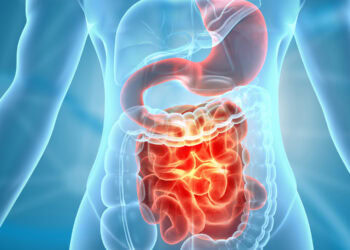
Inflamed human digestive system highlighting stomach and intestines, medical illustration emphasizing gastrointestinal health and its impact on mental well-being and psychology news.
Dementia

Scientists discover how gut inflammation can drive age-associated memory loss

March 18, 2026
Scientists observe “striking” link between social AI chatbots and psychological distress
Depression

Brain scans reveal a bipolar-like link to childhood trauma in some depressed patients

March 17, 2026
Study suggests reality check comments on Instagram images can help protect women’s body satisfaction
Mental Health

Narcissistic traits and celebrity worship are linked to excessive Instagram scrolling via emotional struggles and fear of missing out

March 17, 2026
Harvard scientist reveals a surprising split in psychological well-being between the sexes
Cannabis

A massive review reveals cannabis falls short in treating psychiatric disorders

March 17, 2026
Albumin and cognitive decline: Common urine test may help predict dementia risk
Alzheimer's Disease

New brain scanning method safely tracks how Alzheimer’s drugs work in living patients

March 17, 2026
Capsule pills with green and yellow color for mental health or nutritional supplements.
Mental Health

A common antidepressant shows promise for treating post-orgasmic illness syndrome

March 16, 2026

STAY CONNECTED

RSS Psychology of Selling

  • How dark and light personality traits relate to business owner well-being
  • Why mobile game fail ads make you want to download the app
  • The science of sound reduplication and cuteness in product branding
  • How consumers react to wait time predictions from humans versus AI chatbots
  • The psychology of persuasion: When to use a friendly face versus a competent expert

LATEST

Popular AI chatbots generate unsafe diet plans for teenagers

New trial suggests CBD oil could lower anxiety in autistic children and reduce parenting stress

How to stop overthinking, according to psychologists

Psychologists found a surprisingly simple way to keep narcissists from cheating

First test of a new neuroscience theory shows how smart brains coordinate information

Scientists discover a new brain pathway that rapidly depletes diet-resistant body fat

The psychological reason we judge groups much more harshly than individuals

Scientists discover how gut inflammation can drive age-associated memory loss

PsyPost is a psychology and neuroscience news website dedicated to reporting the latest research on human behavior, cognition, and society. (READ MORE...)

  • Mental Health
  • Neuroimaging
  • Personality Psychology
  • Social Psychology
  • Artificial Intelligence
  • Cognitive Science
  • Psychopharmacology
  • Contact us
  • Disclaimer
  • Privacy policy
  • Terms and conditions
  • Do not sell my personal information

(c) PsyPost Media Inc

Welcome Back!

Login to your account below

Forgotten Password?

Retrieve your password

Please enter your username or email address to reset your password.

Log In

Add New Playlist

Subscribe
  • My Account
  • Cognitive Science Research
  • Mental Health Research
  • Social Psychology Research
  • Drug Research
  • Relationship Research
  • About PsyPost
  • Contact
  • Privacy Policy

(c) PsyPost Media Inc