Subscribe
The latest psychology and neuroscience discoveries.
My Account
  • Mental Health
  • Social Psychology
  • Cognitive Science
  • Neuroscience
  • About
No Result
View All Result
PsyPost
PsyPost
No Result
View All Result
Home Exclusive Psychopharmacology

Take LSD, stay out of prison? Huge study links psychedelic use to reduced recidivism

by Eric W. Dolan
January 8, 2014
in Psychopharmacology
Share on TwitterShare on Facebook

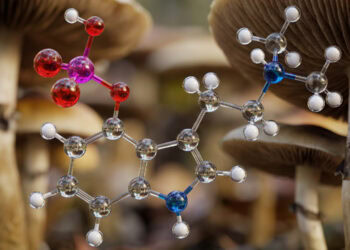
Psilocybe mushroomsA study of more than 25,000 people under community corrections supervision suggests the use of psychedelic drugs like LSD can keep people out of prison.

The research is the first in 40 years to examine whether drugs like LSD and “magic” mushrooms can help reform criminals.

“Our results provide a notable exception to the robust positive link between substance use and criminal behavior,” the researchers from the University of Alabama at Birmingham and Johns Hopkins University School of Medicine wrote in their study, which was published in the January issue of the Journal of Psychopharmacology.

“They add to both the older and emerging body of data indicating beneficial effects of hallucinogen interventions, and run counter to the legal classification as well as popular perception of hallucinogens as categorically harmful substances with no therapeutic potential.”

Psychedelic substances piqued the interest of researchers beginning in the 1950s. Studies indicated that the drugs could be combined with psychotherapy to treat a number of conditions, including alcoholism and drug addiction.

But scientific investigations into the therapeutic potential of LSD, psilocybin, mescaline, and other psychedelic drugs ground to a halt in the 1970s, when they were outlawed by the federal Controlled Substances Act.

“Offenders may be especially likely to benefit from hallucinogen treatment because involvement in the criminal justice system often results from drug-seeking behavior and impulsive conduct exacerbated by compulsive substance use,” the researchers explained in the study.

From 2002 to 2007, the researchers collected data on 25,622 individuals under community corrections supervision in Treatment Accountability for Safer Communities (TASC), a program for individuals with a history of drug abuse.

Google News Preferences Add PsyPost to your preferred sources

Only about 1 percent of those in the program were diagnosed with a hallucinogen use disorder. Cannabis use disorders, cocaine use disorders, and alcohol use disorders were the most common diagnoses in the group.

The researchers found those diagnosed with a hallucinogen use disorder were less likely to fail the TASC program compared to those without a hallucinogen use disorder. That means those with a hallucinogen use disorder were less likely to violate TASC rules or other legal requirements, less likely to fail to appear in court, and less likely to be incarcerated.

The study controlled for a large number of potentially confounding factors, including race, employment, marital status, age, criminal history, drug abuse history, gender, educational attainment, and more.

“The current findings should not at all be interpreted as advocating for recreational hallucinogen use. Nevertheless, they demonstrate that, in a real-world, substance-related intervention setting, hallucinogen use is associated with a lower probability of poor outcome,” the researchers wrote.

“We believe this calls for the continued scientific investigation of this unique class of substances.”

The study was authored by Peter S. Hendricks, C. Brendan Clark, Matthew W. Johnson, Kevin R. Fontaine, and Karen L. Cropsey.

Previous Post

The ironic (and surprising) effects of weight stigma

Next Post

When charitable acts are ‘tainted’ by personal gain

RELATED

A popular weight loss drug shows promise for treating alcohol addiction
Addiction

A popular weight loss drug shows promise for treating alcohol addiction

February 21, 2026
Brain imaging study finds large sex-differences in regions tied to mental health
Addiction

Neural signatures of impulsivity and neuroticism are largely distinct in youth

February 19, 2026
Psychologists developed a 20-minute tool to help people reframe their depression as a source of strength
Psychedelic Drugs

Ibogaine appears to trigger an accelerated “auto-psychotherapy” process during PTSD treatment

February 18, 2026
High school IQ predicts alcohol use patterns in midlife, study finds
Alcohol

Alcohol drinking habits predict long-term anxiety differently across age groups

February 17, 2026
Surprising new research links LSD-induced brain entropy to seizure protection
LSD

Surprising new research links LSD-induced brain entropy to seizure protection

February 17, 2026
Cannabis use associated with better decision-making skills in people with bipolar disorder
Psilocybin

Low-dose psilocybin reduces weight gain and hyperglycemia in mice fed obesogenic diet

February 16, 2026
Cannabis use associated with better decision-making skills in people with bipolar disorder
Cannabis

Cannabis use associated with better decision-making skills in people with bipolar disorder

February 16, 2026
Scientists find age-related links between beverage choices and mental health risks
Cognitive Science

Daily soda consumption linked to cognitive difficulties in teens

February 15, 2026

STAY CONNECTED

LATEST

Shingles vaccine linked to slower biological aging, but brain markers show no change

The presence of robot eyes affects perception of mind

Psychological capital mitigates the impact of interpersonal sensitivity on anxiety in future nurses

Men and women tend to read sexual assault victims’ emotions differently, study finds

Researchers discovered a surprising link between ignored hostility and crime

A popular weight loss drug shows promise for treating alcohol addiction

How unemployment changes the way people dream

Girls rarely experience the “friend zone,” psychology study finds

PsyPost is a psychology and neuroscience news website dedicated to reporting the latest research on human behavior, cognition, and society. (READ MORE...)

  • Mental Health
  • Neuroimaging
  • Personality Psychology
  • Social Psychology
  • Artificial Intelligence
  • Cognitive Science
  • Psychopharmacology
  • Contact us
  • Disclaimer
  • Privacy policy
  • Terms and conditions
  • Do not sell my personal information

(c) PsyPost Media Inc

Welcome Back!

Login to your account below

Forgotten Password?

Retrieve your password

Please enter your username or email address to reset your password.

Log In

Add New Playlist

Subscribe
  • My Account
  • Cognitive Science Research
  • Mental Health Research
  • Social Psychology Research
  • Drug Research
  • Relationship Research
  • About PsyPost
  • Contact
  • Privacy Policy

(c) PsyPost Media Inc