
The intense, one-sided connections fans feel toward pop star Taylor Swift and their fear of missing out on shared cultural moments strongly predict whether they will attend her concerts and watch her films. These predictive links highlight how the psychological need for social belonging drives large-scale consumer behavior, according to a recent study published in Psychology of Popular Media.
A parasocial relationship occurs when an audience member develops a one-sided bond with a media figure, such as a musician, actor, or internet personality. While the celebrity is unaware of the individual fan, the fan experiences genuine emotions and reactions that mimic real-life friendships.
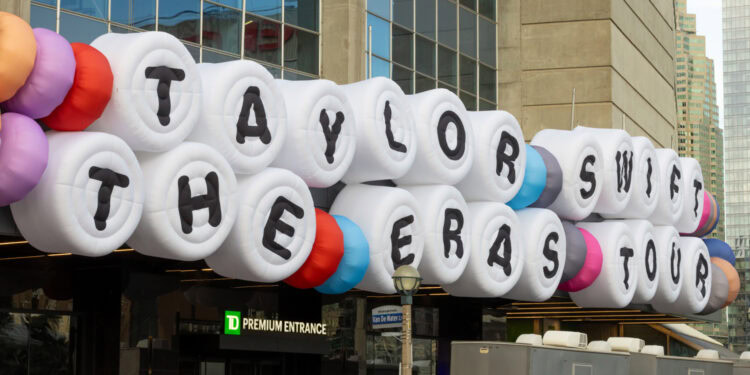
Taylor Swift has cultivated an exceptionally robust parasocial dynamic with her audience over her career. By interacting with followers online and weaving personal details into her music, she has built an environment where fans feel they truly know her. When her Eras Tour launched, it shattered records, selling over two million tickets in a single day. The researchers noted that Swift used the resulting ticketing challenges to align herself with her fans, strengthening their perceived bond.
Such pervasive cultural conversation often triggers a phenomenon known as the fear of missing out, commonly referred to as FoMO. Researchers divide this concept into two distinct categories. Trait fear of missing out is a long-standing personality characteristic where a person generally worries that others are having rewarding experiences without them. State fear of missing out is a temporary, situation-specific anxiety in response to a particular event.
The researchers anchored their investigation in Self-Determination Theory. This psychological framework suggests that human beings are motivated by a fundamental need for relatedness, or the desire to feel connected to others. In the context of entertainment, people might consume specific media to satisfy this need, either by bonding with a celebrity or by joining a community of fellow fans.
Lindsey Conlin Maxwell and Caroline Neese of the University of Southern Mississippi, along with Alec C. Tefertiller of Baylor University, designed the study to see how these psychological elements influenced audience behavior. They used Swift and her wildly popular Eras Tour as an ideal testing ground. The team aimed to determine if long-term personality traits could predict parasocial bonds and if those bonds predicted purchasing tickets for concerts and movies.
To capture these emotions at their peak, the researchers conducted a national survey during the opening weekend of the concert film, “Taylor Swift: The Eras Tour,” in October 2023. They recruited 303 adults in the United States using an online task platform. The respondents answered questions designed to measure their baseline personality traits, their current feelings about the movie release, and their perceived relationship with the pop star.
The survey asked participants to rate their agreement with statements about missing out on rewarding experiences in general, capturing their trait-level anxieties. It also asked specific questions about whether they feared others would enjoy watching the concert film more than them, measuring their temporary state of anxiety. Additionally, the questionnaire evaluated the depth of their parasocial relationship with Swift and recorded their actual behaviors regarding concert and movie attendance.
The data revealed that an individual’s general fear of missing out was a strong predictor of their parasocial relationship with Swift. The researchers noted that this long-standing personality trait explained roughly one-third of the variations in how strongly people felt connected to the singer. People who routinely worry about being left out of social experiences appear highly motivated to build imaginary bonds with media figures to alleviate that apprehension.
Both the personality trait and the parasocial relationship predicted concert-related behaviors. As scores on the parasocial relationship scale increased, respondents were nearly twice as likely to have attempted to buy Eras Tour tickets. They were also substantially more likely to have actually attended one of the live stadium shows.
Similar patterns emerged for the concert film. High levels of baseline anxiety about missing out, as well as a strong perceived relationship with Swift, predicted whether someone had already seen the movie during its opening weekend. These factors also predicted whether a person intended to see the film in theaters later or watch it once it became available on streaming platforms.
One of the most notable results involved temporary, event-specific anxiety. The researchers tested whether attending the live concert satisfied fans to the point of reducing their anxiety about the movie release. The data showed the exact opposite pattern.
People who had already attended the live Eras Tour experienced higher levels of temporary anxiety about missing out on the movie than those who had not attended the concert. Attending the concert did not quench the desire to engage with the media event. Going to the live show actually increased the likelihood that someone wanted to see the theatrical release.
The researchers suggest that a parasocial relationship can become so potent that individuals seek repeated positive experiences with the celebrity to maintain the bond. Because fans experience a strong sense of relatedness when participating in these events, the desire to rejoin the community and relive the excitement remains high. The shared euphoria among thousands of fans, known as collective effervescence, likely fuels this ongoing demand.
The attempt to replicate the concert experience inside movie theaters capitalized on this collective effervescence. By trading friendship bracelets and singing together in theaters, fans who could not attend the live shows found a way to participate in the cultural phenomenon. This shared environment allowed audiences to maintain their parasocial relationship with the singer while simultaneously relieving their anxieties about missing out.
While the study provides a detailed look at consumer motivations, it carries a few limitations. The participants were drawn from a convenience sample, and they were allowed to self-select into a survey they knew was about Taylor Swift. As a result, roughly two-thirds of the respondents identified as fans, and the demographic makeup was predominantly female and white, which could affect how well the results apply to the broader population.
The research relied on self-reported survey data, which is useful for identifying predictive links but cannot definitively prove cause and effect. It remains possible that other unmeasured variables influence both the psychological traits and the purchasing habits of the respondents.
Future investigations could explore how fans develop interpersonal relationships with one another based on their mutual parasocial connections to a single celebrity. The researchers also recommend looking closer at how social media amplifies the fear of missing out during major entertainment events. Measuring the direct impact of shared euphoric experiences could further explain why people are so driven to participate in massive cultural moments.
The study, ““It’s You and Me, There’s Nothing Like This”: Parasocial Relationships, Fear of Missing Out, and How Fans Consume the Products in Taylor Swift’s Media Empire,” was authored by Lindsey Conlin Maxwell, Alec C. Tefertiller, and Caroline Neese.