A lot of research has been conducted to establish the risks that a high energy diet – high in saturated fat and sugar – poses to our health. The most common known results of such diets include obesity, heart disease and diabetes, but research suggests that a diet high in fat and sugar can also have a significant impact on our cognition – the way we learn, remember, and think. 
Back in 2010, Scott Kanoski, assistant professor of biological sciences at Purdue University in the US, showed that as little as three days of a diet that is high in saturated fat and sugar was enough to change cognition in rats.
During the research, rats were fed either a high energy diet or one that was nutritionally balanced, and had to learn where to find the food while inside a maze. After only three days, the rats on the high energy diet were less able to find the food rewards than those that had been given the nutrient-balanced diet. They didn’t gain any weight, which suggests the damaging effects of a high energy diet are more than the production of excess body fat – it also affected their brains.
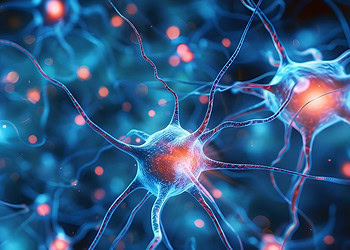
Further research by Kanoski indicated that the hippocampus, the area of the brain that is important for learning and memory, is especially vulnerable to the effects of a high energy diet. The fact that this brain region appears to be affected earlier than others is worrying, as it proves that the earliest detrimental effects of a high energy diet are on cognition.
This effect on memory could be explained by insulin resistance which happens on an energy rich diet. Insulin is used as a signalling chemical that tells the body to remove glucose from the blood to use as energy. So, when the body becomes insulin resistant, it can’t do this as effectively, which leads to high blood sugar levels. Insulin resistance has been mostly associated with obesity, as these people typically have had high energy diets over a long time period, and can sometimes progress into type 2 diabetes.
In fact, researchers at the University of Mexico found that rats showed evidence of insulin resistance after only seven days on a high energy diet. In this case the hippocampus’ response to insulin changed and it appeared to alter the structure of nerve cells in that region. It meant that the nerve cells were less able make new connections with other nerve cells, which is required to make new memories, and suggests that a high energy diet can impact the way we learn through this developed insulin resistance.
Cognitive decline has also been previously linked to insulin resistance in humans. One study, in 2011, showed that after five days of a high fat, low sugar diet, people performed worse on cognitive tasks such as focusing their attention and such diets have also been linked to the development of Alzheimer’s Disease. However, further research into the very short-term effects of high energy diet in humans is currently lacking.
A vicious circle?
Terry Davidson, professor of psychology at Purdue University, suggested that changes of this kind to the hippocampus could even affect the way we eat and even lead to obesity. The hippocampus is responsible for learning and perhaps also for us associating the feeling of hunger with pleasure when we eat. But, when there is damage to the hippocampus, this could be disrupted and it might cause you to eat even when you don’t feel hungry. And if you turn to food which is high in fat and sugar in this instance, it could create a vicious circle of further hippocampus damage – and more overeating.
Although our knowledge regarding the short-term effects of a high energy diet on our brains is limited, we should still be encouraged to make healthier choices when it comes to food and it’s especially important when the food we eat could impact our minds as well as our bodies. It’s unfortunate that a bad diet can affect the way we think and learn – and long before most of us would be concerned about having a few too many treats.
By Katie Boyd, PhD Candidate in Neuroscience, University of Sussex
This article was originally published on The Conversation. Read the original article.