
Childhood adversity may blunt brain development rather than speed it up
A study has found that early-life family stressors, like harsh parenting and unsafe neighborhoods, are linked to smaller amygdala volumes and disrupted anterior cingulate cortex development, suggesting stress-related blunting rather than accelerated brain maturation.
Read moreDetails
COVID-19 lockdowns linked to accelerated brain aging in adolescents, particularly in girls
New research suggests pandemic lockdowns accelerated adolescent brain aging, with girls' brains aging 4.2 years and boys' 1.4 years. This may increase neuropsychiatric disorder risks, highlighting the need for ongoing mental health support for affected teens.
Read moreDetails
Eating fish during pregnancy linked to lower autism risk in children, study finds
A study found that eating fish during pregnancy was linked to a 20% lower risk of autism in children, especially in girls, while omega-3 supplements showed no similar benefits.
Read moreDetails
Mother’s gut bacteria shown to influence baby’s brain development
Could probiotics during pregnancy boost a baby’s brain development? A recent mouse study by researchers at the University of Cambridge and University of Birmingham suggests so.
Read moreDetails
Scientists reveal the disturbing impact of sleep disruption on the developing brain
Sleep deprivation in young mice hinders brain development and causes cognitive impairments far more than it does in adults. These results suggest that sleep helps build essential brain structures in childhood
Read moreDetails
Moderate coffee consumption during pregnancy unlikely to cause ADHD in children
Research found no causal link between moderate coffee intake during pregnancy and children’s neurodevelopmental issues, supporting guidelines that low to moderate caffeine consumption (under 200mg daily) is safe for expectant mothers and their babies.
Read moreDetails
Children often visiting coasts, rivers, and lakes are more likely to practice pro-environmental behaviors when they grow up
Childhood exposure to blue spaces is linked to greater nature connectedness in adulthood, leading to more frequent nature visits and increased pro-environmental behaviors
Read moreDetails
Plastics and autism: Study highlights BPA’s potential impact on boys’ brain development
A recent study suggests that prenatal exposure to BPA may increase autism risk in boys with low aromatase enzyme activity, possibly through estrogen-related brain changes. However, it does not confirm BPA as a direct cause of autism.
Read moreDetails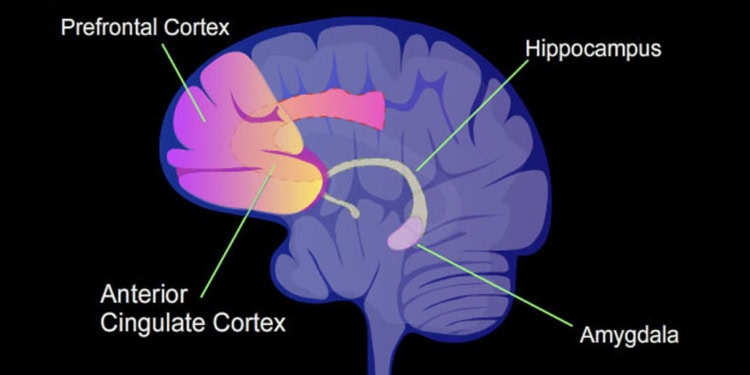
Brain connections to the amygdala predict withdrawn and depressive behaviors in children
Left amygdala connections to brain networks regulating attention and social behavior are linked to children’s withdrawal, depression, and social problems, revealing distinct brain circuits for these internalizing behaviors.
Read moreDetails
First study to capture real-time impact of phone use on infant speech environment
Recent research found that when mothers use their phones, they speak less to their babies, with a 16% decrease in speech overall and a 26% drop during short phone use periods.
Read moreDetails
Babies’ early sounds are more purposeful than previously thought, study suggests
New research shows babies' early vocalizations follow organized patterns, suggesting they actively practice speech-like sounds even without adult interaction. This discovery could deepen our understanding of language development and help identify early communication disorders.
Read moreDetails
These surprisingly simple exercises improve cerebral blood flow in children, study shows
Short, light-intensity exercises can increase blood flow to children's prefrontal cortex, according to new research.. These easy-to-implement exercises could help reduce sedentary behavior and enhance brain health in schools.
Read moreDetails
Young children anticipate actions through mirror neuron system by age three
New research suggests that by age three, children’s mirror neurons help them understand and anticipate others' intentions, highlighting early social-cognitive development.
Read moreDetails
Screen-heavy households linked to poor language development in kids
Researchers found that higher screen use in families is associated with poorer language skills in young children. The study emphasizes the importance of parent-child interactions for language development, especially in screen-heavy households.
Read moreDetails
Childhood inflammation linked to higher risk of mental health disorders in adulthood
A recent study found that children with persistently high inflammation are at greater risk of developing mental health disorders, such as depression and psychosis, and cardiometabolic issues like insulin resistance, by early adulthood.
Read moreDetails