
New study suggests novel syndrome in babies born to mothers who used fentanyl
Babies exposed to fentanyl in utero exhibited distinct facial and musculoskeletal abnormalities, suggesting a potential new syndrome linked to prenatal opioid exposure.
Read moreDetails
Children’s sense of meaning in life predicts mental health and positive behavior
A new study in The Humanistic Psychologist reveals that a higher sense of meaning in daily life significantly predicts better mental health outcomes in children.
Read moreDetails
New study links problematic media use in toddlers to long-term emotional issues
A recent study found that problematic media use begins as early as 2.5 years old and is linked to increased social and emotional problems, including anxiety, depression, aggression, and withdrawal, by age 5.5.
Read moreDetails
Boys outperform girls in direction-giving accuracy, new study finds
Boys aged 3 to 10 outperformed girls in direction-giving accuracy, despite both using landmarks and directional terms equally, indicating quality of language matters more than quantity.
Read moreDetails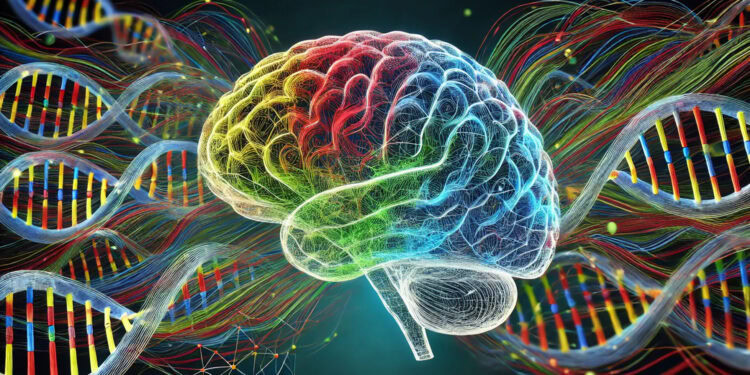
Groundbreaking study reveals the impact of genetics on IQ scores over time
A groundbreaking study reveals that genetic factors increasingly influence IQ as we age, while environmental factors are more significant during early development.
Read moreDetails
Prolonged pacifier use linked to reduced vocabulary size in infants, new study finds
Prolonged pacifier use might be linked to smaller vocabulary sizes in infants, according to a recent study. But more research is needed.
Read moreDetails
Young people happier with singlehood than a decade ago, study finds
Adolescents today are more likely to be single and more satisfied with singlehood than those from a decade ago, according to new psychology research.
Read moreDetails
Poor students perform worse on math questions about money and food, study shows
Math test questions involving real-life contexts such as money, food, and social interactions disproportionately hinder the performance of students from lower socioeconomic backgrounds compared to their higher socioeconomic peers.
Read moreDetails
Exercise programs improve preschoolers’ cognitive functions
Prolonged physical activity, especially game-based, significantly enhances executive functions in preschool children, with the most pronounced benefits seen in interventions lasting over twelve weeks.
Read moreDetails
Tablets and tantrums: Digital pacifiers may hinder children’s emotional development
Using digital devices to manage children's tantrums can hinder their ability to regulate emotions, leading to more severe anger management issues later in life, according to a recent international study.
Read moreDetails
Weird connection found between temperature and brain development
Exposure to extreme temperatures during early life is associated with alterations in children's brain white matter microstructure, particularly in lower socioeconomic status neighborhoods, highlighting potential vulnerability to climate change impacts.
Read moreDetails
Infant brain microstructure may predict emotional development
Researchers have discovered that the microstructural complexity in specific prefrontal brain regions of infants is linked to higher negative emotionality and lower positive emotionality, providing early indicators of potential future mental health issues.
Read moreDetails
Scientists discover a surprising benefit of having smaller breasts
Women with smaller breasts produce breast milk with higher lactose concentration, suggesting a hormonal link. This surprising finding highlights that breast size influences milk composition, though not its quantity.
Read moreDetails
New study links oral narrative structure with reading skills in young children
Children who told more complex and interconnected stories tended to perform better in various reading skills, such as understanding sounds, comprehending text, and accurately reading words
Read moreDetails
Researchers find brain-behavior link in adolescents with disruptive behavior disorder
Adolescents with disruptive behavior disorders are more influenced by delinquent peers if they have heightened brain sensitivity to rewards, especially in the ventral striatum, with this effect being stronger in younger males.
Read moreDetails