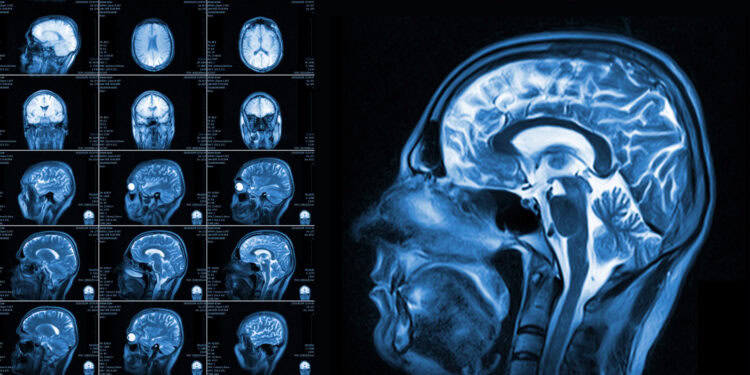
Brain network patterns in childhood linked to early alcohol use
A new study finds that children who start drinking alcohol before age 15 show distinct whole-brain network patterns years earlier. These brain features could serve as early markers for adolescent alcohol use vulnerability.
Read moreDetails
Common flu drugs show promise in preventing cognitive decline
A new study suggests that the loss of protective sugar molecules drives premature aging and memory loss in people with HIV. In mice, common flu medications successfully preserved these sugars, offering a potential future approach to protect brain health.
Read moreDetails
Peer behavior and drinking habits intersect differently for young and older adults
A new study highlights how age and specific environments relate to drinking habits. Adapting to social norms is associated with higher alcohol use in youth, but linked to lower consumption among older adults in certain settings.
Read moreDetails
An international brain imaging analysis reveals how psychedelics rewire neural circuits
A new analysis of combined brain imaging data from 273 people reveals how classic psychedelics flatten the brain’s strict processing hierarchy, increasing communication between sensory systems and the cognitive regions responsible for abstract thought.
Read moreDetails
An 80-year-old woman with advanced Alzheimer’s regained speech and mobility after taking psilocybin
After years of severe decline, an 80-year-old woman with advanced Alzheimer’s temporarily regained her ability to speak, walk, and interact with family following a massive dose of psilocybin mushrooms, according to a striking new case report.
Read moreDetails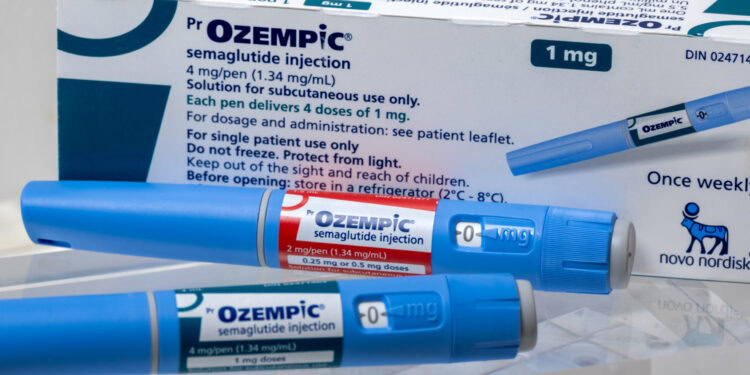
Drugs like Ozempic might reduce violent crime risk by dampening impulsivity
Researchers found that people currently taking popular metabolic drugs are less likely to act on aggressive impulses. The medications may help interrupt the neurological pathway from fleeting urges to violent actions.
Read moreDetails
Psychedelic users process emotional expressions differently than nonusers
People who regularly use psychedelic drugs outside of clinical settings process threatening facial expressions more efficiently than nonusers, according to recent brain imaging research. The scans reveal distinct neural habits that might explain the enduring emotional benefits of these substances.
Read moreDetails
A single dose of psilocybin provides months of relief from chronic suicidal thoughts in new study
A recent study in The Journal of Clinical Psychiatry suggests that a single dose of psilocybin, paired with psychological support, may rapidly and safely reduce chronic suicidal thoughts in adults with severe, treatment-resistant depression.
Read moreDetails
Taking psychedelics at raves and ceremonies may help heal childhood trauma
Adults with a history of childhood trauma who use psychedelics at raves or ceremonies may experience mental health improvements. New research suggests these communal settings are associated with reductions in PTSD symptoms and feelings of shame.
Read moreDetails
Psychedelic “flashbacks” are associated with a higher risk of functional somatic syndromes
The largest study to date on hallucinogen persisting perceptual disorder suggests the condition is closely tied to anxiety and functional somatic syndromes. Researchers hope these findings will pave the way for better, more targeted treatments.
Read moreDetails
Antidepressants may offer an unexpected protective effect against fatal MDMA toxicity
A new study of drug-related fatalities suggests that having antidepressants actively circulating in the body is associated with a lower risk of death from MDMA, raising new questions for psychiatric researchers developing trauma therapies.
Read moreDetails
Heavy drinking impairs next-day cognitive functioning in college students
A new study reveals that high-intensity and blackout drinking leave young adults struggling with memory and daily tasks the next day. Researchers found that extreme alcohol consumption significantly impairs short-term cognitive functioning.
Read moreDetails
Psychedelic therapy standardized for clinical depression shows massive promise in pilot trial
A new pilot study suggests that combining the psychedelic compound psilocybin with cognitive behavioral therapy is well-tolerated and highly effective at reducing symptoms of clinical depression. Researchers observed profound improvements in patients' moods and emotional regulation.
Read moreDetails
Who is using psilocybin? First national survey reveals demographics of magic mushroom users
A major national survey reveals that 2.8% of Americans over the age of 12 used psilocybin in 2024. The study found strong links between magic mushroom use, cannabis consumption, and recent struggles with depression.
Read moreDetails
Hallucinogen use is linked to a slight increase in heart valve disease risk
A new analysis of health records suggests a modest link between lifetime hallucinogen use and valvular heart disease. While the increased risk is small, the findings highlight the need for more research into the physical safety of psychedelics.
Read moreDetails