Single-dose psilocybin therapy shows promise for reducing alcohol consumption
Early results from a pilot study indicate that psilocybin-assisted therapy could be linked to lower alcohol consumption and improved psychological outcomes, though larger controlled trials are needed to determine whether the psilocybin itself is responsible for these changes.
Read moreDetails
Psilocybin induces large-scale brain network reorganization, offering insights into the psychedelic state
A new study using high-resolution EEG reveals that psilocybin dramatically alters brain connectivity in rats. The psychedelic induced dose-dependent changes in network organization, disrupting normal patterns of neural communication and suggesting rodents may be viable models for studying altered consciousness.
Read moreDetails
Psilocybin therapy shows similar benefits for patients with and without recent antidepressant use
A new study finds that individuals with treatment-resistant depression experienced similar improvements from psilocybin-assisted psychotherapy whether or not they had recently discontinued antidepressant medications.
Read moreDetails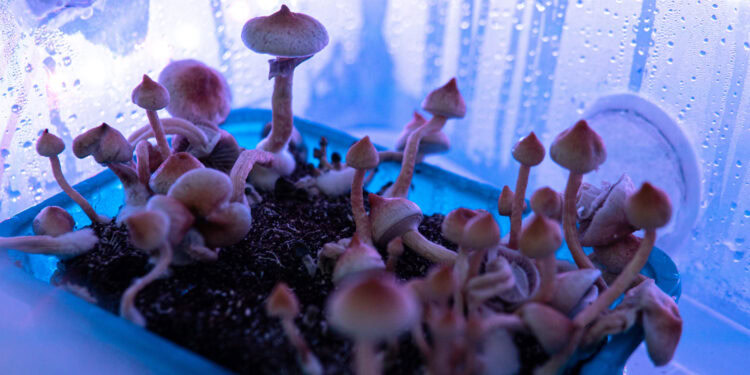
21-year-old man dies after jabbing pencil into his brain during psilocybin trip
A detailed case report describes how a 21-year-old man died from self-inflicted ocular trauma during a bad psilocybin trip. The tragic event illustrates how rare but extreme reactions to psychedelics can lead to fatal outcomes.
Read moreDetails
Only a specific dose of psilocybin induces lasting antidepressant-like effects, study suggests
A recent study found that a single moderate dose of psilocybin produced lasting antidepressant-like effects in rats, while higher doses led to unwanted side effects. The findings highlight the importance of optimal dosing.
Read moreDetails
Psilocybin and escitalopram produce antidepressant effects via distinct brain mechanisms, study suggests
A new study using brain scans found that psilocybin and escitalopram reduce depression symptoms through different neural mechanisms. While escitalopram dampened emotional brain activity, psilocybin preserved or slightly increased it, suggesting distinct pathways to recovery.
Read moreDetails
A single dose of psilocybin might help reduce symptoms in treatment-resistant depression
A new open-label study suggests that a single dose of psilocybin, combined with psychological support, may reduce symptoms in people with severe treatment-resistant depression. Improvements were sustained for up to 12 weeks, although effects were weaker in those with PTSD.
Read moreDetails
Psilocybin use has surged in the United States since 2019
Psilocybin use has surged across the U.S. in recent years, with the biggest increases seen among adults with depression, anxiety, and chronic pain.
Read moreDetails
A dose of psilocybin stirred the brain of a barely conscious woman
In a groundbreaking case report, scientists administered psilocybin to a woman in a minimally conscious state and observed increased brain complexity and new spontaneous behavior—offering a glimpse into how psychedelics might influence consciousness in severe brain injury patients.
Read moreDetails
Psilocybin shows promise for improving mood, cognition, and motor symptoms in Parkinson’s disease
Psilocybin therapy produced surprising benefits in a small study of people with Parkinson’s disease. Beyond improving mood, the psychedelic treatment was linked to better motor function and cognitive performance.
Read moreDetails
Psilocybin-assisted neurofeedback shows promise in preliminary research
A new study explores combining psilocybin microdosing with neurofeedback. The method appears feasible, though it’s unclear whether it meaningfully improves mental performance.
Read moreDetails
Psychedelics use is linked to lower odds of frequent bad headaches
A study of British adults found that those who had used psychedelics were 25% less likely to report frequent bad headaches, adding to growing research on psychedelics’ potential medical benefits.
Read moreDetails
Psilocybin’s impact on mental wellbeing varies by race, study finds
Does psilocybin affect everyone the same way? New research suggests that race and ethnicity may play a role in the long-term benefits of this psychedelic substance.
Read moreDetails
Psilocybin increases emotional empathy in depressed individuals, study finds
A single dose of psilocybin significantly increased emotional empathy in depressed individuals for up to two weeks.
Read moreDetails
“Bad trips” and guilt: Why difficult feelings during psychedelic use might actually be a good thing
Feelings of shame and guilt are surprisingly common during psilocybin experiences, affecting most users. However, a new study reveals that constructively working through these emotions, rather than avoiding them, is linked to improved wellbeing afterward.
Read moreDetails