
Psychedelic therapy and traditional antidepressants show similar results under open-label conditions
Recent research is dampening the hype around psychedelic therapy. By adjusting for how clinical trials are designed, scientists found that drugs like LSD and psilocybin offer similar depression relief to traditional antidepressants, rather than vastly superior results.
Read moreDetails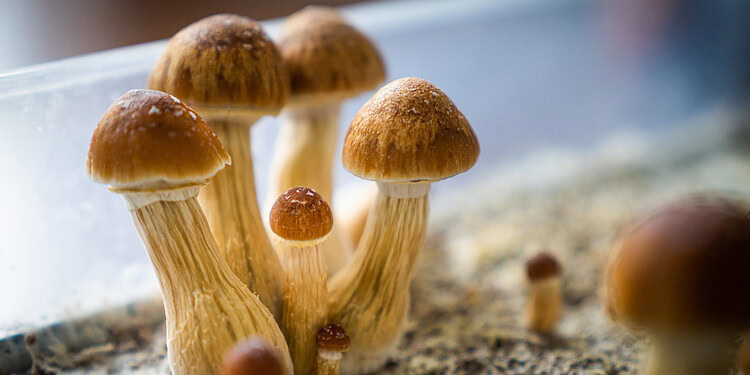
Psilocybin slows down human reaction times and impairs executive function during the acute phase of use
A new analysis reveals that psilocybin temporarily slows down human reaction times and mildly impairs executive functions. The findings highlight the need for safety protocols as psychedelic therapies move closer to widespread clinical acceptance.
Read moreDetails
Can a psychedelic journey change what you value most?
A recent trial involving healthy volunteers demonstrates that a single dose of psilocybin can prompt lasting changes in personal values, increasing self-acceptance and appreciation for life through acute feelings of spiritual euphoria and profound unity.
Read moreDetails
A new study measures the temporal distortions caused by psychedelics
A placebo-controlled experiment reveals how psilocybin changes human time perception. By testing volunteers on a visual timing task, researchers found the psychedelic compound causes people to underestimate durations and feel time passing much slower than normal.
Read moreDetails
Study links psilocybin receptor activation to sustained structural brain changes
Clinical trials show psilocybin provides rapid relief for depression, but the underlying biology remains unclear. New research demonstrates how varying doses of the drug bind to serotonin receptors to enhance cellular flexibility.
Read moreDetails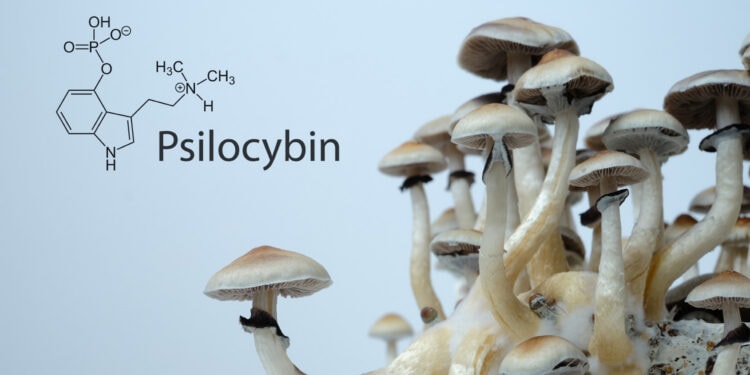
Psilocybin unlocks a specific biological signature in the brain linked to profound mystical states
New research suggests that psilocybin shifts the brain from a relaxed state into a highly engaged pattern of rapid electrical activity. This measurable shift in brain waves provides evidence linking biological changes directly to subjective psychedelic experiences.
Read moreDetailsPsilocybin might not be the most psychoactive ingredient in magic mushrooms, new research suggests
Published in Scientific Reports, new research provides evidence that minor compounds in psychedelic mushrooms work alongside psilocybin to interact with brain receptors. This chemical teamwork explains why whole mushroom extracts often affect people differently than isolated, lab-made psilocybin.
Read moreDetails
Psilocybin produces different behavioral and brain-altering effects depending on the dose
A new mouse study published in the Journal of Psychopharmacology provides evidence that psilocybin selectively enhances the brain's ability to rewire itself. The research suggests that optimizing specific doses could help tailor treatments for different psychiatric symptoms.
Read moreDetails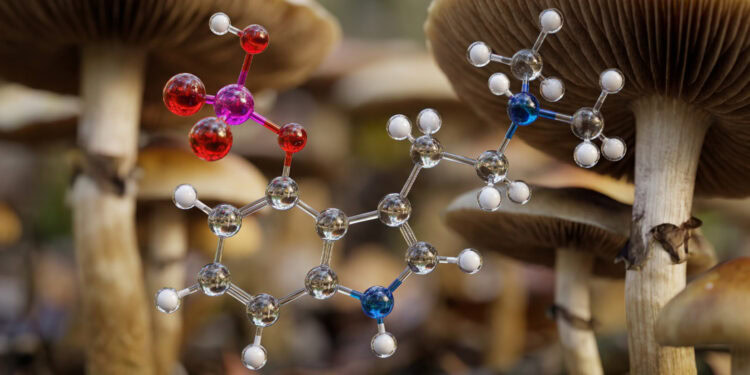
Low-dose psilocybin reduces weight gain and hyperglycemia in mice fed obesogenic diet
Chronic microdosing of psilocybin could fight obesity and diabetes without the "trip." Researchers discovered that non-hallucinogenic doses reduced weight gain and restored insulin sensitivity in mice by targeting specific receptors in the liver.
Read moreDetails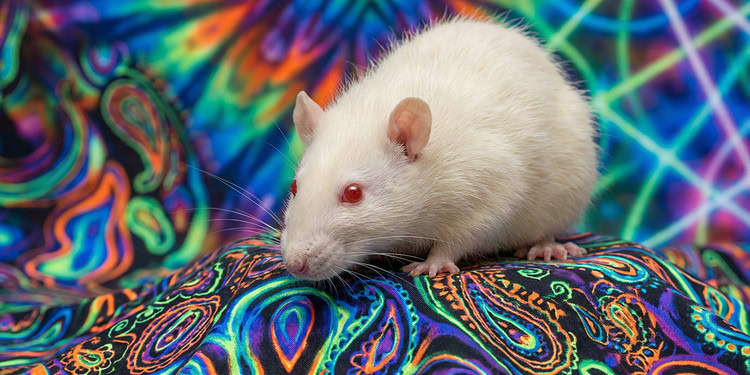
Psilocybin impacts immunity and behavior differently depending on diet and exercise context
Psilocybin’s effects are not uniform across different physiological conditions. A study of female mice reveals that exercise and diet drastically alter how the drug influences social interactions and inflammatory signaling.
Read moreDetails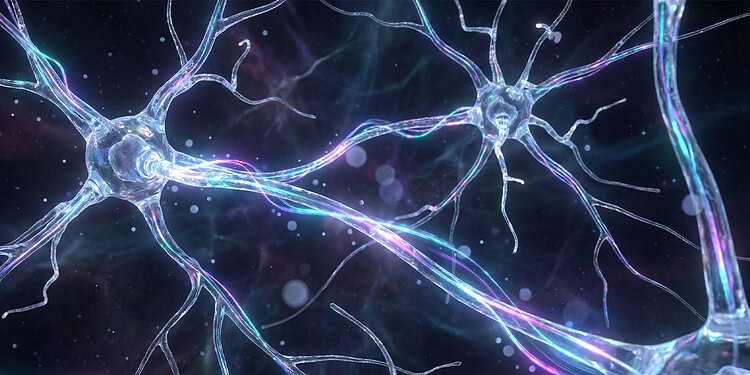
Long-term antidepressant effects of psilocybin linked to functional brain changes
Researchers found that a single dose of psilocybin alters the electrical properties of brain cells for months. This functional plasticity, rather than structural growth, may explain why psychedelic therapy offers enduring relief from depression.
Read moreDetails
Major new study finds psilocybin microdoses improve the quality of creative ideas but not the quantity
Taking tiny amounts of psilocybin helps the brain bypass conventional associations to reach more original solutions, according to a robust analysis of three double-blind clinical trials.
Read moreDetails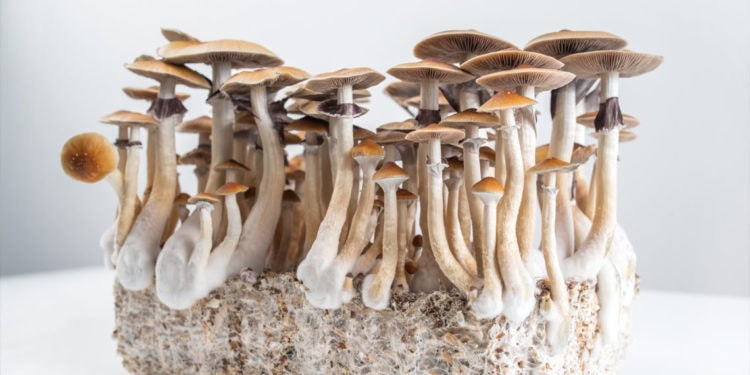
Psilocybin shows promise for rapid reduction of cancer-related depression
A new analysis of clinical trial data indicates that psilocybin-assisted psychotherapy provides immediate relief for anxiety and depression in advanced cancer patients, though the antidepressant effects may not persist without specific dosing strategies.
Read moreDetails
Single moderate dose of psilocybin linked to temporary reduction in OCD symptoms
A moderate dose of psilocybin may offer temporary relief for obsessive-compulsive disorder, according to new research. The study indicates that the drug tends to reduce symptom severity for up to one week, specifically regarding compulsive behaviors.
Read moreDetails
Psilocybin helps the brain unlearn fear by silencing specific neural pathways
Scientists have observed how psilocybin rewires the brain to overcome fear. The drug coordinates the silencing of trauma neurons and the activation of safety signals to promote behavioral flexibility in mice.
Read moreDetails