
Occasional magic mushroom use linked to better mental health among alcohol drinkers
Researchers analyzing nationwide survey data found that adults using psilocybin infrequently alongside alcohol reported less anxiety and depression than non-psilocybin users, suggesting potential benefits outside clinical settings.
Read moreDetails
Psilocybin-assisted therapy shows promise for veterans with severe, treatment-resistant PTSD
A pilot clinical trial suggests that psilocybin combined with psychotherapy is safe and well-tolerated by veterans with severe, treatment-resistant PTSD. The study found that most participants no longer met the diagnostic criteria for PTSD.
Read moreDetails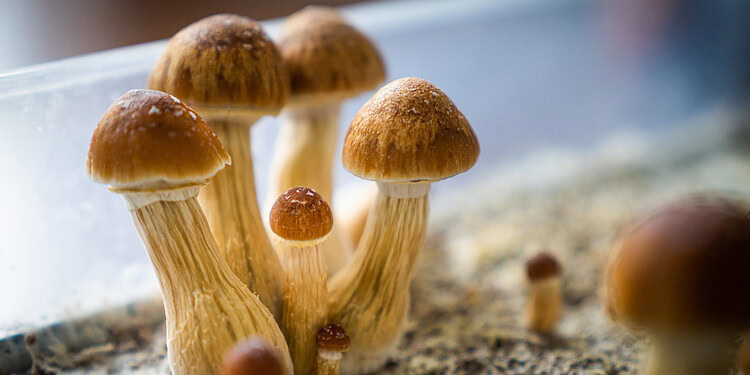
Magic mushroom compound could help defend skin against premature aging
New research indicates that psilocybin, the active compound in magic mushrooms, might protect human skin cells from premature aging. In laboratory tests, the psychedelic compound reduced inflammation and cellular stress caused by high sugar and fat levels.
Read moreDetails
A single dose of psilocybin reduces reward-seeking behavior by altering inhibitory brain cells
A single dose of psilocybin reduces the drive to seek out rewards by increasing the activity of inhibitory brain cells. These findings help explain how psychedelics might induce long-lasting changes in brain circuits to treat substance use disorders.
Read moreDetails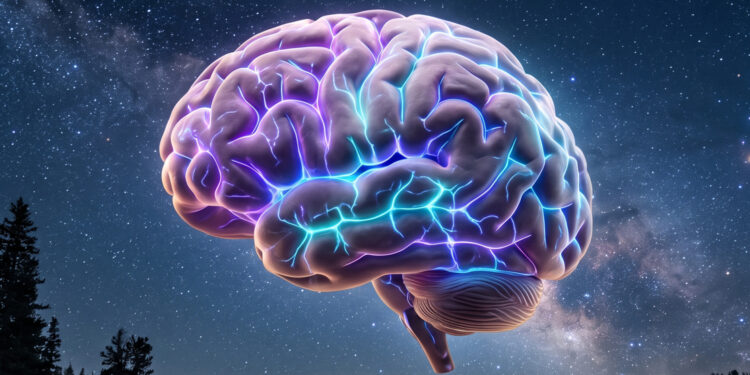
Psilocybin improves sleep quality in patients with chronic cluster headaches
Psilocybin could help patients with chronic cluster headaches sleep better, according to a recent study in the Journal of Psychopharmacology. Researchers also noted subtle shifts in brain microstructure that tend to accompany these improvements in rest.
Read moreDetails
An 80-year-old woman with advanced Alzheimer’s regained speech and mobility after taking psilocybin
After years of severe decline, an 80-year-old woman with advanced Alzheimer’s temporarily regained her ability to speak, walk, and interact with family following a massive dose of psilocybin mushrooms, according to a striking new case report.
Read moreDetails
A single dose of psilocybin provides months of relief from chronic suicidal thoughts in new study
A recent study in The Journal of Clinical Psychiatry suggests that a single dose of psilocybin, paired with psychological support, may rapidly and safely reduce chronic suicidal thoughts in adults with severe, treatment-resistant depression.
Read moreDetails
Psychedelic therapy standardized for clinical depression shows massive promise in pilot trial
A new pilot study suggests that combining the psychedelic compound psilocybin with cognitive behavioral therapy is well-tolerated and highly effective at reducing symptoms of clinical depression. Researchers observed profound improvements in patients' moods and emotional regulation.
Read moreDetails
Who is using psilocybin? First national survey reveals demographics of magic mushroom users
A major national survey reveals that 2.8% of Americans over the age of 12 used psilocybin in 2024. The study found strong links between magic mushroom use, cannabis consumption, and recent struggles with depression.
Read moreDetails
Magic mushroom compound enhances the effectiveness of a common nerve pain medication
New research shows that psilocybin, the active compound in magic mushrooms, reduces chronic nerve pain in mice. It also significantly enhances the performance of common pain drugs, suggesting the psychedelic might fundamentally rewire how the brain processes pain.
Read moreDetailsEstrogen levels may dictate how the brain reacts to psychedelics, new animal study indicates
A new study reveals that a rodent's age and reproductive cycle strongly influence its response to psilocybin, pointing toward a need for customized psychiatric drug treatments across different patient demographics.
Read moreDetails
Psychedelic science breakthrough: Increased brain entropy from psilocybin predicts lasting psychological insight and well-being
A single high dose of psilocybin can cause lasting physical changes in the human brain. Scientists found that temporary increases in brain randomness during the experience predict improved well-being and mental flexibility for at least a month.
Read moreDetails
A single dose of psilocybin outperforms nicotine patches for quitting smoking
A single dose of psilocybin paired with behavioral therapy proved remarkably effective at helping cigarette smokers quit. A new clinical trial shows the psychedelic intervention substantially outperformed standard nicotine patches over a six-month tracking period.
Read moreDetails
Repeated doses of psilocybin show promise for treating obsessive-compulsive disorder
A new clinical trial suggests that repeated doses of psilocybin can safely reduce symptoms of obsessive-compulsive disorder. The findings provide evidence that multiple weekly treatments offer lasting relief for those struggling with traditional therapies.
Read moreDetails
Brain waves predict the intensity of magic mushroom trips
A quick scan of your resting brain waves might hold the secret to predicting how intensely you will react to psilocybin, offering doctors a potential new tool for personalizing psychedelic therapy.
Read moreDetails