
The psychological effects of padel and pickleball, according to science
Wondering if the pickleball hype is real? A new systematic review confirms the sport boosts happiness and social integration, while padel research largely analyzes competitive stress and mental fatigue in athletes.
Read moreDetails
Escitalopram reduces impulsivity and anger in women with severe premenstrual irritability
A new study finds that taking the antidepressant escitalopram in the days leading up to menstruation reduces irritability, anger, and impulsive behavioral responses in women suffering from severe premenstrual symptoms.
Read moreDetails
Rising loneliness among US veterans is closely tied to psychiatric burden and suicide risk
A new study indicates that loneliness is a growing epidemic among U.S. military veterans. With over one in five experiencing frequent isolation, researchers warn that this severe social disconnection is strongly linked to depression, PTSD, and suicidal thoughts.
Read moreDetails
Study finds AI companions boost mental health while damaging offline connections
Artificial intelligence companions can improve a user’s mental health by simulating empathy. But new research reveals a hidden trade-off: as users grow closer to emotionally intelligent chatbots, they often withdraw from real-world human relationships.
Read moreDetails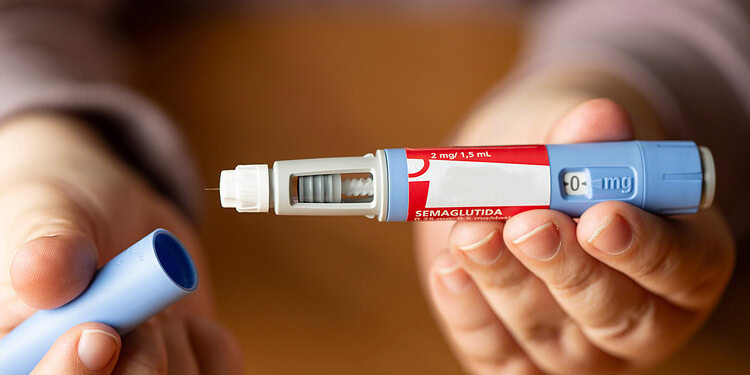
Semaglutide might reduce how much people with alcohol use disorder drink when they do drink
A new clinical trial suggests the weight-loss drug semaglutide could help treat alcohol use disorder. While it didn't eliminate laboratory-assessed cravings, the medication significantly reduced heavy drinking days and overall alcohol-related problems in treatment-seeking adults.
Read moreDetails
Massive review confirms the connection between emotional intelligence and human flourishing
A massive review of psychological research confirms that emotional intelligence is reliably linked to human flourishing. People with higher emotional intelligence tend to experience greater well-being, though the connection depends heavily on how these traits are measured.
Read moreDetails
Scientists build a more accurate Alzheimer’s risk score using global DNA data
Standard genetic tests for Alzheimer's often fail in non-European populations. A new study shows that blending global genetic data creates a highly accurate tool that predicts both Alzheimer's risk and underlying brain damage across diverse ancestral groups.
Read moreDetails
Personality impairments link childhood maltreatment to adult anxiety
A recent study finds that childhood emotional abuse and neglect are strongly linked to adult anxiety. This relationship is largely explained by impairments in how a person perceives themselves and connects with others.
Read moreDetails
Scientists map the brain pathway that links social isolation to increased alcohol consumption
Researchers have identified a specific brain circuit that drives increased alcohol intake following social isolation. The findings provide a biological mechanism for how a negative social environment changes what the brain treats as a valuable reward.
Read moreDetails
Over half the risk for postpartum psychosis is tied to genetics, large study finds
A new study indicates that over half the risk for postpartum psychosis is driven by genetics. The findings provide evidence that the condition is a biological vulnerability rather than just a psychological reaction to childbirth.
Read moreDetails
Individuals with psychotic spectrum disorder are less successful in recognizing the emotions of others
A recent study finds that people with psychotic spectrum disorders who have a history of aggression are significantly less accurate at recognizing emotions than non-aggressive patients or healthy individuals, often misidentifying negative social cues as positive ones.
Read moreDetails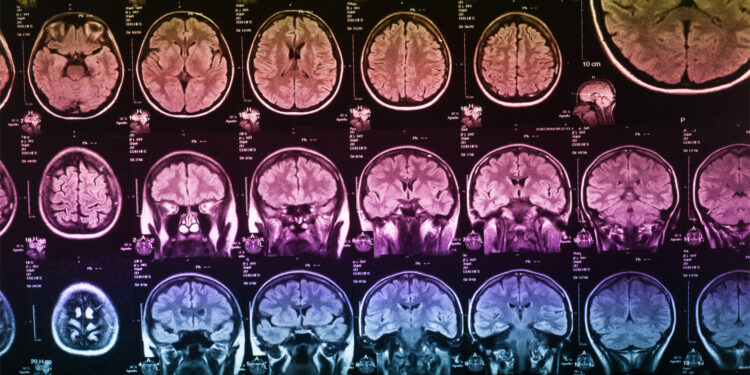
Treatment-resistant depression linked to reduced brain entropy
Patients with treatment-resistant depression show a widespread loss of complexity in their resting brain activity. A recent brain imaging study suggests this reduced neural entropy could serve as a biological marker for the severe, chronic illness.
Read moreDetails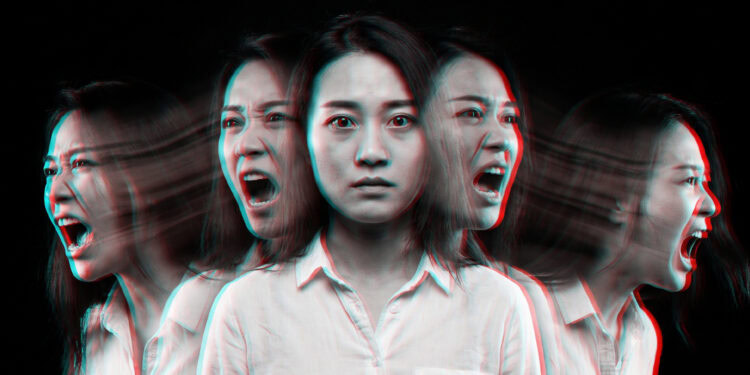
Psychiatrists detail mother’s sudden descent into severe psychosis and delirious mania following childbirth
A recent case report details a 27-year-old mother’s sudden onset of severe psychosis and delirious mania following a cesarean delivery. The findings suggest that electroconvulsive therapy can provide rapid relief for this life-threatening postpartum psychiatric emergency.
Read moreDetails
Neuroticism intensifies the transfer of fear and negativity during associative learning
People who score high in neuroticism not only react more intensely to negative events, but they also transfer those bad feelings onto neutral objects more easily. New research highlights how personality traits shape our vulnerability to anxiety.
Read moreDetails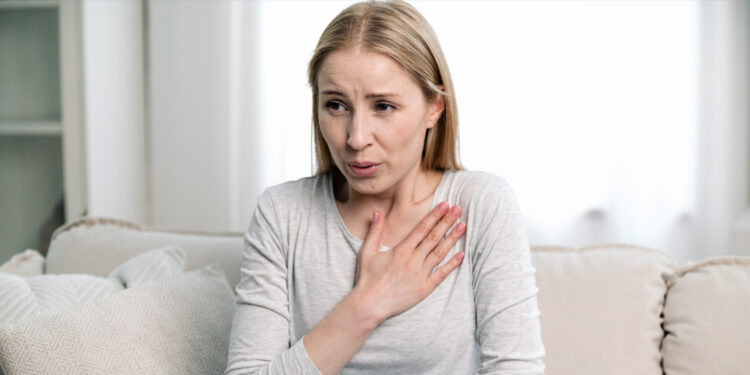
A new study explains why stress makes us both cooperative and defensive
A recent study shows that acute stress doesn't just trigger "fight-or-flight" or "tend-and-befriend" instincts. Instead, stressed people adapt their behavior, cooperating with potential allies while acting defensively toward those responsible for the pressure.
Read moreDetails