Brain receptors for dopamine and insulin coordinate to control compulsive eating
A new study reveals how dopamine and insulin receptors interact in the brain's emotional center to regulate compulsive eating. These findings offer biological clues to the strong link between food addiction and metabolic diseases like diabetes.
Read moreDetails
Problematic pornography use is linked to craving, shame, depression, and loneliness, meta-analysis finds
A meta-analysis of 121,728 participants finds that problematic pornography use is most strongly linked to craving and sexual shame, with smaller links to depression and loneliness. How strong these links appear may depend on the measure used.
Read moreDetails
Study of 2.5 million children finds no link between MMR vaccine and autism
Evaluating the health records of over 2.5 million children, researchers found no evidence that receiving the measles, mumps, and rubella vaccine before age two increases the risk of a childhood autism diagnosis.
Read moreDetails
Brain scans reveal hyper-connected reward networks in autistic individuals
A recent brain imaging study reveals that the reward system is hyper-connected to other social networks in autistic individuals. This heightened integration correlates with social communication differences and overlaps with specific genetic and chemical markers.
Read moreDetails
Curious people tend to have more of the experiences linked to cognitive reserve, study finds
A new study suggests that curious people build more "cognitive reserve" through higher education and mentally stimulating hobbies. However, this curiosity didn't translate into higher scores on cognitive tests among the healthy adults studied.
Read moreDetails
Longitudinal study highlights the enduring toll of childhood loneliness and social isolation
New research challenges the idea that loneliness acts as a helpful alarm bell. A 6-year study found that feeling lonely does not motivate isolated children to reconnect, and both issues independently harm future mental health and career prospects.
Read moreDetails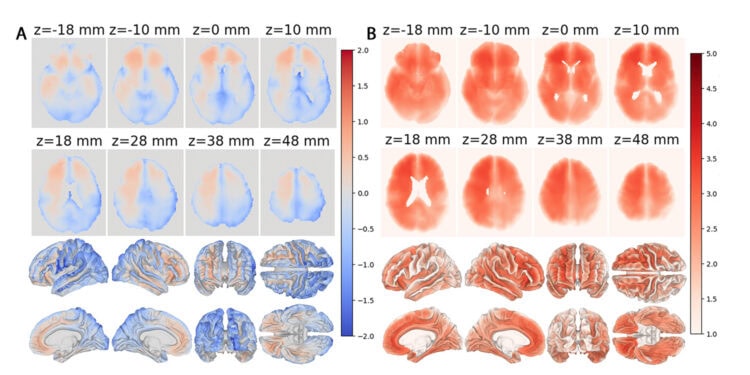
The right side of the brain shows more signs of aging than the left, new study suggests
A new AI tool that analyzes MRI scans in fine detail reveals that the human brain does not age evenly. Some regions appear to age faster than others, with these differences becoming more pronounced in people with Alzheimer’s disease.
Read moreDetails
Childhood trauma is linked to suicidal thoughts and attempts in adults with depression and anxiety
Among Dutch adults with depression or anxiety, those who experienced more childhood trauma were more likely to report recent suicidal thoughts and past suicide attempts. Aggression, insomnia, and low social support partly accounted for this link.
Read moreDetails
New study identifies four unique migraine phenotypes using artificial intelligence
Artificial intelligence can accurately identify migraine sufferers by analyzing general health data like sleep and neck pain, completely ignoring headache symptoms. The findings suggest migraines consist of several distinct biological subtypes that could require different medical treatments.
Read moreDetails
Early-life sugar restriction tied to better mental health in adulthood
A recent study using the end of post-war UK food rationing suggests that restricting sugar from conception to age two is linked to a significantly lower risk of developing anxiety and depression in adulthood.
Read moreDetails
People found not guilty by reason of insanity show a surprisingly mixed criminal risk profile
Psychiatric symptoms alone do not explain why some people with mental illness enter the criminal justice system. A new study reveals that standard criminal risk factors, like antisocial attitudes and social environments, closely mirror their legal involvement.
Read moreDetails
Losing deep belly fat may slow brain aging and protect memory
Losing deep belly fat rather than just overall body weight is linked to slower brain aging and better memory years later. New research suggests targeting visceral fat might protect cognitive function by improving long-term blood sugar control.
Read moreDetails
Sleep disruption increases preference for artificial intelligence
Waking up out of sync with your internal clock can cause social anxiety. A new psychological study finds this temporal misalignment makes people prefer being evaluated by artificial intelligence over human beings.
Read moreDetails
Stimulating the brain’s alpha rhythm may take the edge off anxiety under stress
A single 20-minute session of alpha-frequency brain stimulation modestly reduced anxiety after a stressful task in healthy middle-aged and older adults.
Read moreDetails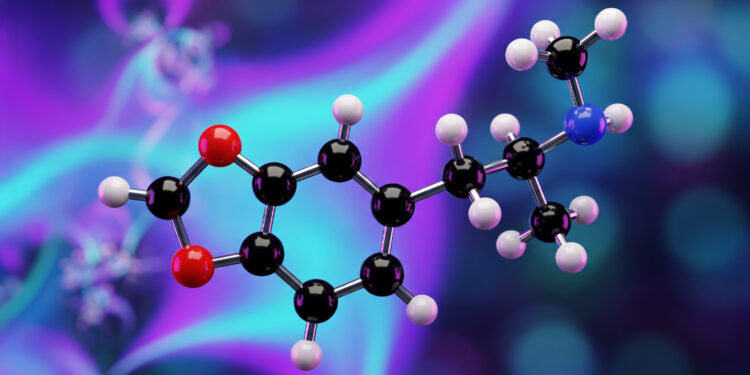
A single dose of MDMA prevents trauma-fueled drinking in genetically prone rats
A study in rats suggests MDMA can prevent the rise in alcohol intake that follows trauma-like stress, but only in animals genetically predisposed to drink heavily. The effect did not appear to depend on changes in fear.
Read moreDetails