
How growing up in East Germany affected cognitive health in later life
Older adults who lived in socialist East Germany show better cognitive health today than their West German peers. Researchers attribute this unexpected mental resilience to the longer compulsory schooling and early childcare provided by the former East German educational system.
Read moreDetails
Even light drinking is linked to worse hand dexterity and balance as we age
Even drinking within recommended guidelines might impact your physical coordination over time. Researchers found that a lifetime of low-level alcohol consumption is linked to subtle declines in balance and hand dexterity as healthy adults age.
Read moreDetails
Early puberty is linked to higher anxiety risk in girls
A large Danish study reveals that girls who begin puberty earlier and progress faster are significantly more likely to develop anxiety disorders, highlighting a critical window for early mental health interventions.
Read moreDetails
Researchers launch global tracking project to measure the daily mental health impacts of cannabis
A massive new international research project aims to track how regular cannabis use alters mood and cognition in real time. By following subjects for two years, scientists hope to map out the psychological risks and benefits of the drug.
Read moreDetails
A child’s genetic profile for ADHD can predict their parents’ risk of separation
A child's genetic likelihood for attention-deficit hyperactivity disorder is associated with a higher chance of their parents divorcing. The new findings highlight how children might actively shape the life trajectories of their families.
Read moreDetails
Universal two-child policy linked to increased depression among Chinese women
When China relaxed its family planning rules to allow all couples to have two children, depressive symptoms unexpectedly rose among married women. A new study reveals how financial constraints and family pressures contributed to this psychological toll.
Read moreDetails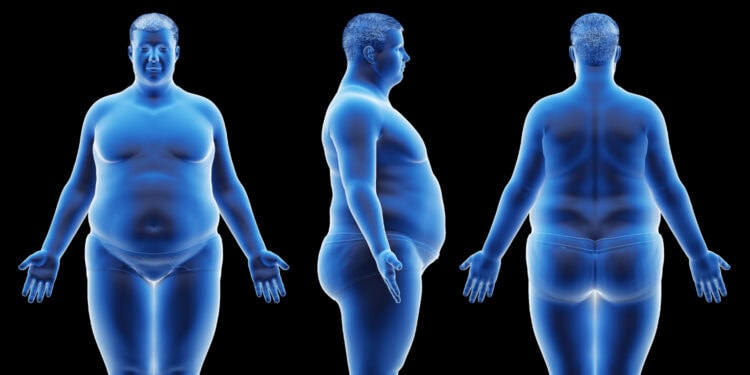
Body roundness index linked to depression risk in older adults with dementia
A new study reveals that the body roundness index, a measurement of abdominal fat, is strongly linked to depression in older adults with dementia. The findings suggest this simple screening tool could help doctors identify at-risk patients.
Read moreDetails
MDMA-enhanced couples therapy shows promise for treating PTSD and relationship distress
Pairing a brief form of couples therapy with MDMA can lead to large improvements in PTSD symptoms and relationship satisfaction for veterans and their partners, even when only the diagnosed veteran receives the medication.
Read moreDetails
Unintentional mind wandering disrupts attention in ADHD through two different mechanisms
While intentional daydreaming can be useful, new research shows that spontaneous mind wandering is closely linked to adult ADHD. Both daily unintentional distractions and real-time cognitive lapses independently predict attention-deficit traits.
Read moreDetails
How personality and social context shape adolescent loneliness
A new study tracking the daily habits of teenagers reveals that while spending time alone is linked to momentary isolation, young people with maladaptive personality traits tend to experience chronic loneliness regardless of their social surroundings.
Read moreDetails
Autistic individuals might be somewhat better at reading emotions of other autistic people
A new study challenges the idea that autism impairs empathy. While both groups read emotions similarly overall, autistic individuals are actually more accurate than non-autistic people at tracking the emotional valence of other autistic adults.
Read moreDetails
Therapeutic gardening improves mental health for adults with chronic conditions
A recent review of scientific literature reveals that therapeutic gardening offers a moderate boost to mental health for adults with chronic diseases, though the benefits for physical health conditions are much less pronounced.
Read moreDetails
Weightlifting offers large antidepressant effects for young women with anxiety, regardless of intensity
A new study finds you don't need to lift heavy to see mental health benefits. Researchers discovered that both standard and low-intensity strength training significantly reduced depressive symptoms in young women experiencing high levels of anxiety.
Read moreDetails
How anxiety and face gender shape emotional processing in children
A recent study reveals how the developing brain processes facial expressions based on gender and emotion, finding that elevated anxiety alters how children react to threatening faces.
Read moreDetails
Escitalopram reduces anger and irritability in premenstrual dysphoric disorder, study finds
New research shows that administering the antidepressant escitalopram during the luteal phase eases the debilitating irritability and anger associated with premenstrual dysphoric disorder, while simultaneously reducing the brain’s neural response to aggressive social stimuli.
Read moreDetails