
New neuroscience research shows how slowing your breathing alters your perception of the people around you
New brain imaging reveals that taking slow, deliberate breaths alters how accurately you recognize human emotions. The phase of your breath actually rewires the brain networks responsible for visual perception and passing judgment.
Read moreDetails
Even light drinking combined with aging is linked to reduced brain blood flow and thinner tissue
A new study suggests that even low-level drinking over a lifetime may negatively affect brain health. Researchers found that cumulative light drinking, combined with aging, is linked to reduced blood flow and thinner tissue in the brain.
Read moreDetails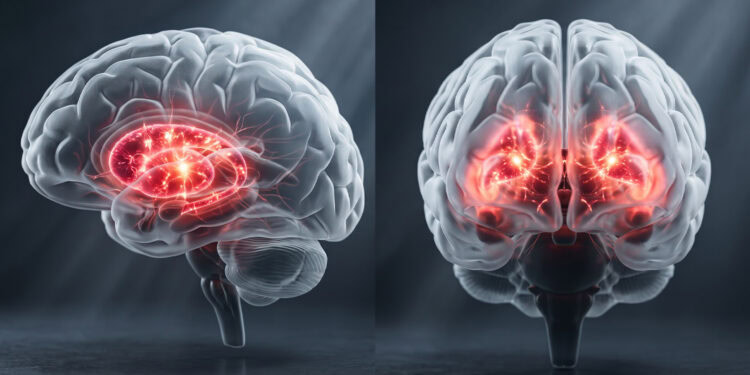
Neuroscientists identify brain regions that drive curiosity for what might have been
A study in Social Cognitive and Affective Neuroscience suggests the brain's reward system drives people to seek information about alternative realities. Scientists found this urge remains strong even when the information leads to negative emotions like regret.
Read moreDetailsSoft brain implants outperform rigid silicon in long-term safety study
To build brain implants that last for years without causing damage, scientists say material matters more than size. Soft, flexible devices better match the brain's natural movements, preserving healthy cells and maintaining clearer electrical signals.
Read moreDetails
Can choking during sex cause brain damage? Emerging evidence points to hidden neurological risks
Can consensual choking cause brain damage? Scientists are finding evidence of neuroinflammation and altered brain connectivity linked to the practice.
Read moreDetails
Live music causes brain waves to synchronize more strongly with rhythm than recorded music
Your brain responds differently to live music. According to new research, brain waves lock onto live musical rhythms much more strongly than recorded tracks, creating a biological syncing process that makes live performances feel more pleasurable.
Read moreDetails
Scientists find evidence some Alzheimer’s symptoms may begin outside the brain
Researchers used a microscopic model of human nerves and muscles to show that Alzheimer's disease directly damages peripheral nerves. This physical damage happens independently of cognitive decline and does not improve with standard medications for the illness.
Read moreDetails
Maturing brain pathways explain the sudden leap in children’s language skills
A new study reveals that between ages three and four, children’s brains undergo a major structural shift. As specific white matter pathways mature, they unlock the ability to process complex grammar rules, explaining sudden leaps in preschooler language.
Read moreDetails
More time spent on social media is linked to a thinner cerebral cortex in young adolescents
New research shows that young adolescents who spend more time on social media platforms exhibit a thinner outer layer of the brain. The study highlights how everyday digital habits might relate to physical changes during a sensitive developmental period.
Read moreDetails
Advanced meditation techniques linked to younger brain age during sleep
People who regularly practice advanced meditation techniques exhibit brain activity patterns during sleep that appear noticeably younger than their actual age. Researchers suggest these habits might help protect against cognitive decline, though questions about exact causes remain.
Read moreDetails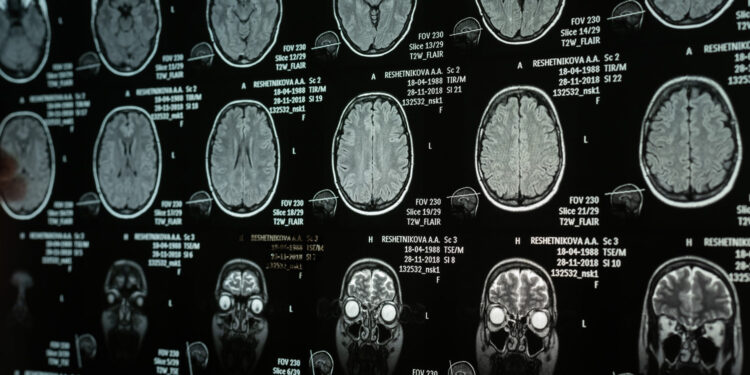
Narcissistic traits are linked to a brain area governing emotional control
A new brain imaging study reveals how the physical structure of a region called the anterior insula links narcissistic personality traits to the everyday habit of suppressing one's emotions.
Read moreDetails
Reduced gray matter and altered brain connectivity are linked to problematic smartphone use
A comprehensive review of brain imaging research suggests problematic smartphone use is associated with distinct neural differences. These variations appear in brain areas tied to reward processing, impulse control, and the deep-seated human need for social connection.
Read moreDetails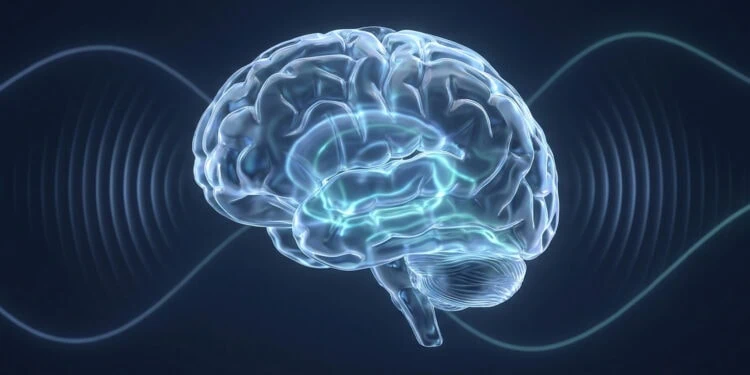
Scientists discover intriguing brainwave patterns linked to rhythmic sound meditation
A recent study published in the Annals of Neurosciences suggests that practicing sound-based meditation can quiet electrical brain activity. Despite this reduction in overall brain energy, the technique tends to simultaneously increase a person's sense of alertness.
Read moreDetails
Scientists uncover the neurological mechanisms behind cannabis-induced “munchies”
By studying humans and rats, researchers pinpointed how cannabis causes hunger. The plant interacts directly with brain receptors to increase the reward value of food, driving consumption regardless of the body's caloric needs.
Read moreDetails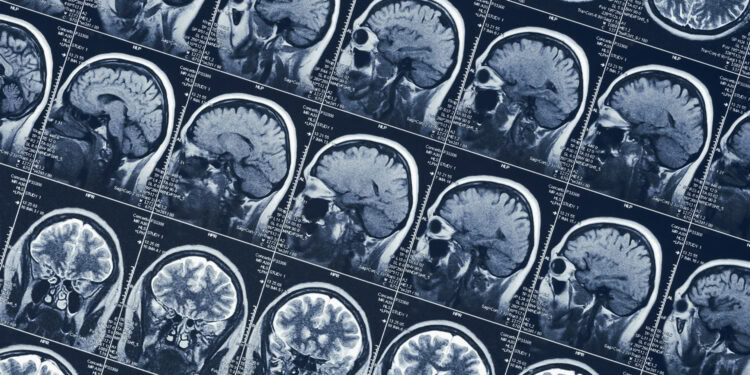
Brain scans reveal how a woman voluntarily enters a psychedelic-like trance without drugs
A groundbreaking fMRI study has mapped the exact neural shifts of a self-induced visionary state. Researchers discovered that a woman capable of voluntary trance actively disconnects her sensory networks while boosting internal cognitive control.
Read moreDetails