The human brain processes the passage of time across three distinct stages
By tracking the brain activity of volunteers estimating the duration of flashing lights, scientists have uncovered the sequential neural pathway that allows us to experience the passage of time.
Read moreDetails
Brain scans identify the neural network that traps anxious people in cycles of self-blame
People who experience high levels of everyday anxiety are more prone to intense feelings of guilt and shame. New brain imaging research suggests the neural networks that trap anxious individuals in unhelpful cycles of self-blame.
Read moreDetails
Brain scans reveal how people with autistic traits connect differently
A new study shows that individuals with similar levels of autistic traits are naturally drawn to one another. Brain scans reveal they use alternative, highly effective neural strategies to connect, challenging traditional deficit-based models of autism.
Read moreDetails
Scientists discover a hydraulic link between the abdomen and the brain
A new study suggests that flexing your abdominal muscles physically moves your brain. This gentle shifting acts as a hydraulic pump, forcing fluids through brain tissue to wash away harmful waste and promote cognitive health.
Read moreDetails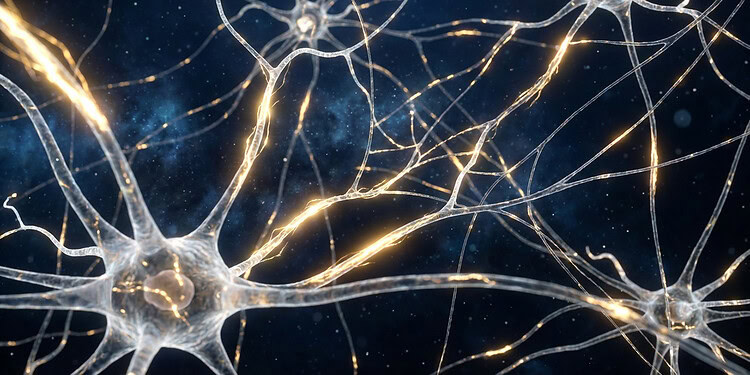
Unlocking lithium’s hidden effects on Alzheimer’s disease at the cellular level
A recent study using advanced cell mapping shows that lithium chloride changes the activity of multiple enzymes linked to Alzheimer’s disease. These findings could help researchers design safer, more effective treatments for cognitive decline and dementia.
Read moreDetails
Scientists show how common chord progressions unlock social bonding in the brain
Recent brain imaging suggests that locking eyes while listening to familiar chord progressions stimulates neural regions associated with social bonding. This shared activity also tends to increase subjective feelings of connection between two people.
Read moreDetails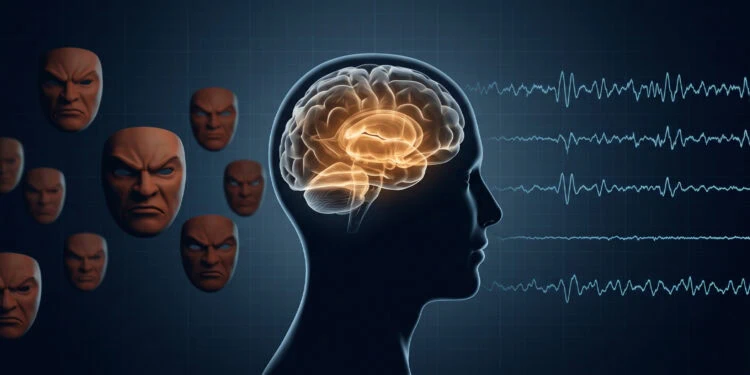
Brain waves reveal why negative emotions hijack attention in borderline personality traits
People with borderline personality traits often struggle to think flexibly when confronted with negative emotions. A recent brain scanning study reveals exactly how angry faces overload cognitive resources and sabotage problem solving during difficult mental tasks.
Read moreDetails
Psychedelic science breakthrough: Increased brain entropy from psilocybin predicts lasting psychological insight and well-being
A single high dose of psilocybin can cause lasting physical changes in the human brain. Scientists found that temporary increases in brain randomness during the experience predict improved well-being and mental flexibility for at least a month.
Read moreDetails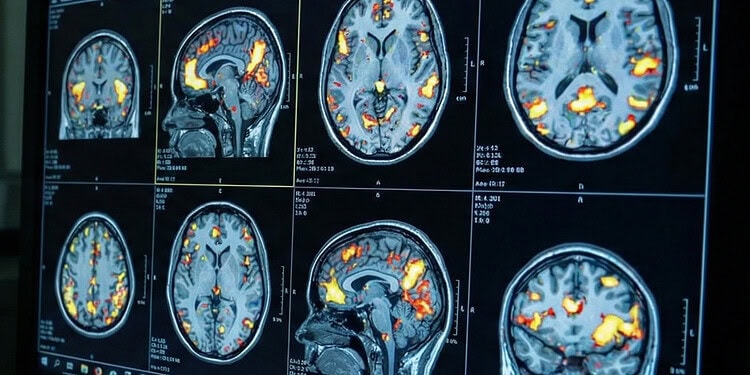
Brain scans reveal a universal neural signature for addiction
Whether addicted to alcohol, cocaine, or nicotine, people with substance use disorder share identical "short circuits" in their brain's reward networks. A massive new meta-analysis maps these specific neural disruptions, offering a potential blueprint for future treatments.
Read moreDetails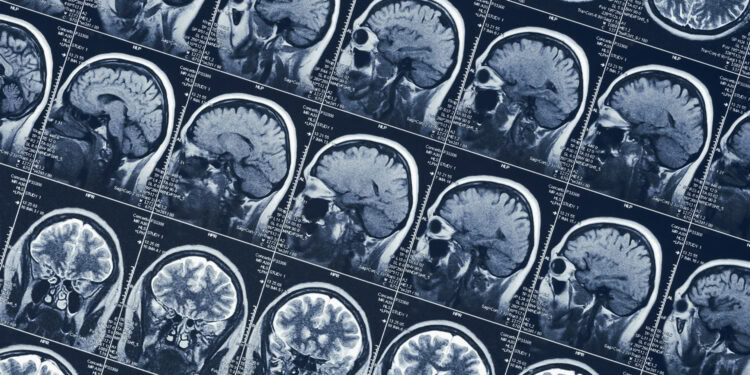
Brain scans of 800 incarcerated men link psychopathy to an expanded cortical surface area
A large-scale brain imaging study of over 800 incarcerated men reveals that highly psychopathic individuals possess an expanded cortical surface area and a compressed physical brain organization, offering new clues into the biology of empathy and antisocial behavior.
Read moreDetails
Combining alcohol with cocaine rewires the brain’s relapse pathways differently than cocaine alone
A new study shows that combining cocaine and alcohol changes the brain circuits responsible for drug relapse. This suggests treating people who use both substances will require entirely different medical approaches than treating those who only use cocaine.
Read moreDetails
Scientists link daytime sleep-like brain waves to attention lapses in ADHD
For adults with ADHD, staying focused is often a daily struggle. New research suggests these attention lapses occur because the waking brain frequently slips into brief, sleep-like states, blurring the biological boundary between sleep and wakefulness.
Read moreDetails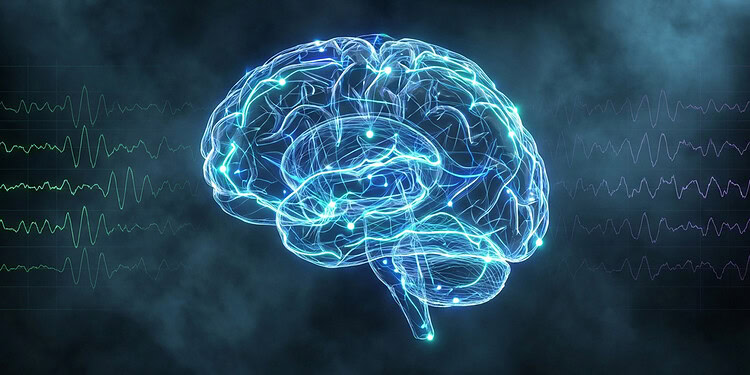
Shared music listening synchronizes brain activity
Listening to music with a friend syncs up your emotional and brain responses. According to a recent Cortex study, sharing a musical experience increases the moment-to-moment similarity of subjective pleasure and enhances neural alignment between listeners.
Read moreDetails
Scientists discover how local brain cells hijack serotonin signaling
Scientists have discovered that the chemical acetylcholine can directly trigger the release of serotonin. This localized control system becomes hyperactive in mice with obsessive-compulsive traits, offering a fresh perspective on the biological roots of repetitive psychiatric conditions.
Read moreDetails
Scientists reveal the biological pathways linking childhood trauma to chronic gut pain
Experiencing stress during early childhood physically alters the nerves in the digestive system. Recent studies reveal how this biological remodeling causes chronic gut pain and movement issues, paving the way for highly targeted new therapies.
Read moreDetails