
Researchers discover preventative immune benefits of a little-known psychedelic compound
A small study in mice reveals that administering a psychedelic compound before an immune challenge can prevent severe brain inflammation. The findings suggest these drugs might prime the nervous system to resist biological stress and disease.
Read moreDetails
Brain network rhythms reveal why some people are better at keeping their focus
Why can some people easily ignore distractions while others struggle to stay on task? New research shows that the ability to maintain focus is a stable trait reflected in the rhythmic synchronization of large-scale brain networks.
Read moreDetails
Brain scans reveal how artificial sweeteners affect our reward circuits differently than sugar
A new study reveals that while zero-calorie sweeteners generally affect the body like water, they trigger distinct activity in the brain’s reward centers compared to real sugar. Interestingly, some even delay stomach emptying without spiking blood sugar.
Read moreDetails
Combat-like stress in fathers alters brain chemistry in offspring
Fathers who experience severe trauma before conception can pass biological and behavioral changes to their offspring. A new animal study reveals that combat-like stress in males alters the pain perception, social behavior, and brain chemistry of their descendants.
Read moreDetails
Neuroscience reveals how the unconscious mind drives human behavior
Today's cognitive neuroscientists are integrating decades of behavioral research to show that our conscious minds are heavily directed by underlying, unconscious neural activity designed to predict and navigate the world.
Read moreDetails
Stunning study finds most papers claiming sex differences never actually compared the sexes
A recent PNAS study highlights a massive math problem in neuroscience: most studies claiming to find differences between male and female responses fail to use the correct statistical tests to actually compare the sexes.
Read moreDetails
Mindful observation of infant distress is linked to unique brain responses in new mothers
Recent research in Mindfulness suggests that when mothers mindfully observe their distressed infants without getting overwhelmed, they engage brain regions tied to emotional regulation. This "decentering" alters their neural responses and is linked to lower parenting stress.
Read moreDetails
Neuroscientists map how early-life scent memories evolve and move through the brain
A familiar smell can instantly transport you back to childhood. Neuroscientists have now mapped how this happens, discovering that early scent memories physically relocate from the brain’s olfactory center to deeper emotional networks as we grow older.
Read moreDetails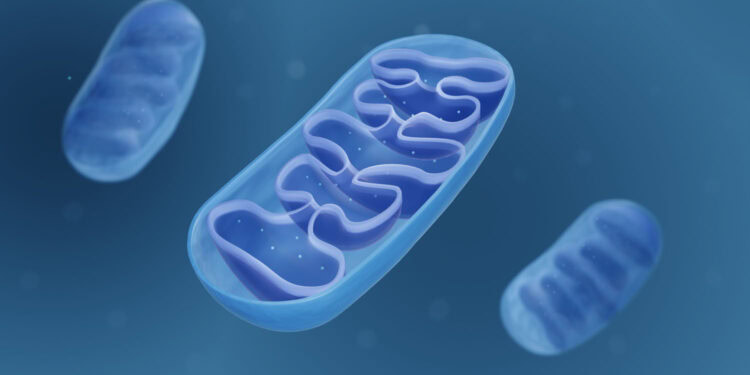
Mitochondrial protein in the brain regulates dietary fat intake and body weight
A recent study found that a mitochondrial protein in the brain regulates how mice consume dietary fat. Lacking this protein in appetite-controlling neurons led to overeating and severe obesity, with the effects being particularly pronounced in females.
Read moreDetails
Brain scans reveal biological divides based on subtle political differences
A recent brain imaging study found that people with even slightly different political views process information using different neural patterns. Listening to political statements about immigration prompted synchronized brain activity among individuals who shared similar attitudes.
Read moreDetails
Brains of teens with depression remain on high alert to social rejection
Teens with depression show unique brain patterns when facing social rejection. A recent brain imaging study reveals that their amygdala fails to adapt to repeated social threats, keeping them on high alert during difficult peer interactions.
Read moreDetails
Scientists discover an epigenetic mechanism that links childhood trauma to adult stress sensitivity
A recent study indicates how early-life trauma leaves a lasting mark on the brain. By altering how DNA is packaged in dopamine neurons, early adversity primes the brain for future anxiety. Blocking this process in mice prevented stress hypersensitivity.
Read moreDetails
Brain imaging reveals why some people struggle to resist sweet foods
A recent brain imaging study reveals that people who rapidly remove the reward chemical dopamine after a sugar spike may have a harder time controlling their cravings for sweet foods.
Read moreDetails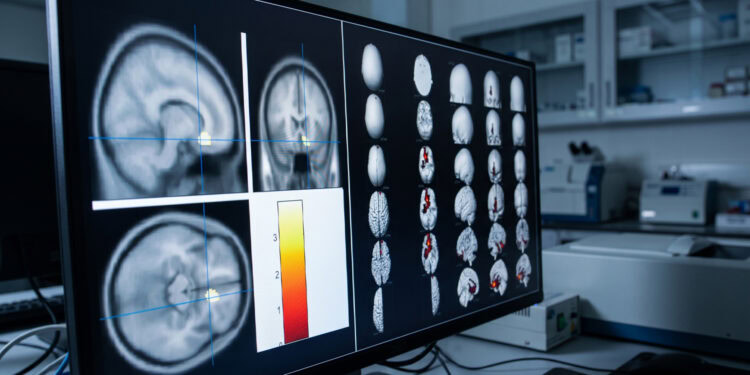
Negative social media posts correlated with changes in the brain’s fear network during the COVID-19 lockdown
A recent study suggests that collective emotional stress during the COVID-19 lockdown was associated with changes in the brain. Researchers found that negative public mood on social media correlated with reduced metabolism in emotional regulation centers.
Read moreDetails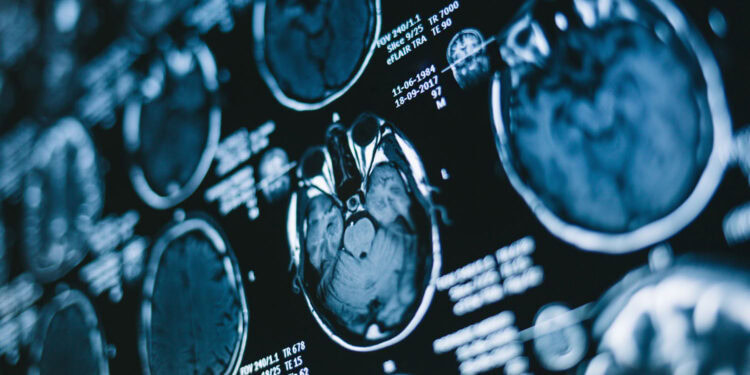
Childhood ADHD is linked to distinct developmental changes in brain white matter
Using data from a massive long-term study, researchers found that 9-year-olds with ADHD have altered white matter microarchitecture. These early differences in nerve organization and cellular density offer new clues into the neurodevelopmental roots of the disorder.
Read moreDetails