
Teens exposed to parental phubbing tend to have more sleep problems, study finds
A study in China found that parental phubbing, where parents focus on phones over interacting with their children, leads to increased sleep problems in adolescents. This effect is mediated by negative emotions, especially in those with lower self-control.
Read moreDetails
Dreaming breakthrough: Scientists unlock the secret to conversing with the sleeping mind
Researchers have discovered it's possible to communicate with people during various sleep stages, including REM, by receiving simple responses to questions and stimuli. This breakthrough enhances our understanding of dreams and opens new avenues for studying the sleeping brain.
Read moreDetails
The alarming link between sleep irregularity and dementia risk
A study in Neurology shows irregular sleep patterns and, to a lesser extent, overly consistent ones are linked to an increased dementia risk. Researchers emphasize the importance of balanced sleep schedules for cognitive health.
Read moreDetails
Neuroscientists just uncovered a fascinating link between sleep, memory, and breathing
In a groundbreaking study, researchers have discovered a significant link between breathing patterns during sleep and the brain's ability to consolidate memories.
Read moreDetails
An extra hour of sleep brings multiple health benefits for college students, study finds
Extending sleep by one hour nightly improved college students' heart health, glucose regulation, and hydration while reducing sleepiness. This small change also led to lower blood pressure.
Read moreDetails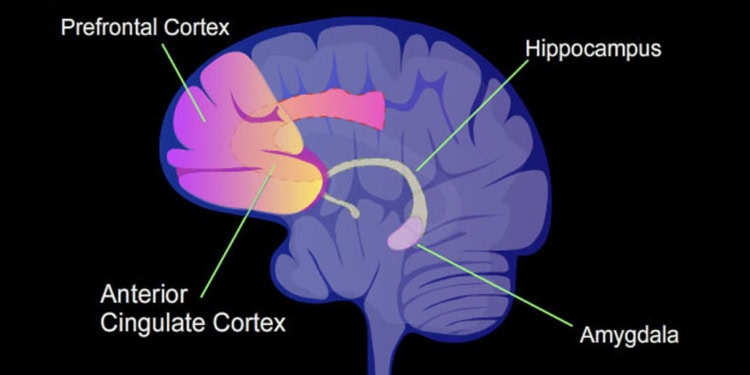
Study sheds light on how the brain consolidates emotional memories during sleep
In a new scientific paper recently published in the journal Cell Press, researchers have unveiled new insights into how the brain processes and consolidates emotional memories during sleep. The paper, drawing on extensive rodent-based research, highlights the critical role of...
Read moreDetails
New study sheds light on the double-edged sword of caffeine and its impact on sleep-deprived individuals
Researchers discovered that while a single dose of caffeine can improve attention in sleep-deprived individuals, regular high consumption of caffeine leads to diminished attentional performance, as well as alterations in brain activity.
Read moreDetails
Surprising link between brain connectivity and sleep duration revealed in new neuroscience research
Researchers identified brain connectivity patterns that predict sleep duration, revealing consistent networks across ages and suggesting a deeper relationship between sleep and cognitive functions. This insight offers new avenues in understanding the link between sleep and brain function.
Read moreDetails
Matcha green tea might help improve perception of emotions and sleep quality in elderly adults with cognitive decline
A new study has found that drinking matcha, a type of green tea, may improve perception of emotions and sleep quality in older adults with a decline of cognitive functions. The study, conducted by researchers from Japan and published in...
Read moreDetails
Instability in sleep patterns linked to cognitive decline in older adults
Variability in sleep patterns, not just average sleep duration, is linked to cognitive impairment in older adults, according to new research. This study highlights the importance of consistent sleep patterns for cognitive health, suggesting that changes in sleep behavior might...
Read moreDetails
Evaluating mindfulness-based interventions for anxiety and sleep in teen athletes
A recent study compared mindfulness-based body scan interventions with relaxation techniques on adolescent athletes, finding positive effects on anxiety but unclear results on sleep problems.
Read moreDetails
Daytime mind wandering is linked to dream content while asleep, study finds
New research in Scientific Reports reveals a strong link between people's waking thoughts, especially mind wandering, and their dream content. The study, involving 719 participants, supports the Continuity Hypothesis, showing that daytime experiences influence dreams
Read moreDetails
Physical activity and brain health: Unveiling the role of sleep in older adults
A recent study in the International Journal of Geriatric Psychiatry found that moderate exercise improves memory and cognition in older adults, particularly those with poor sleep efficiency.
Read moreDetails
Smartphone use before bed? It might not be as bad for teen sleep as thought, study finds
A recent study using an electronic daily diary design to assess smartphone use and sleep in Czech adolescents found no clear link between smartphone use before sleep and sleep outcomes, suggesting a more complex relationship than previously assumed.
Read moreDetails
Sleep’s creative secret: N1 stage dream incubation enhances creative performance
A recent study in Scientific Reports shows that creativity can be boosted by influencing dreams during the N1 sleep phase. Using the Dormio device, researchers found that participants who experienced dream incubation with thematic cues demonstrated notably improved creative performance.
Read moreDetails