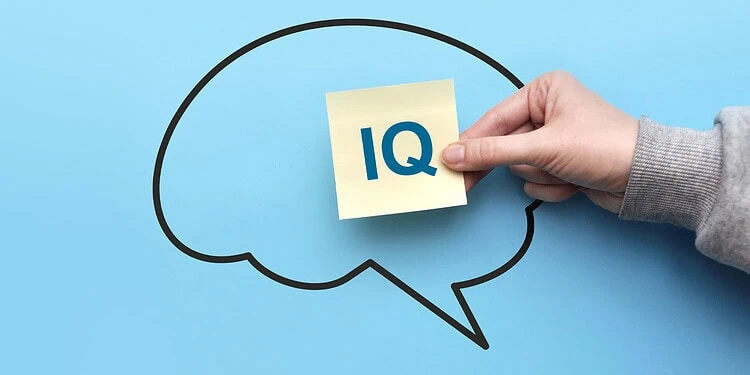
Politics and IQ: Are liberals smarter than conservatives?
Calling your political opponents "stupid" is as old as politics itself. But what happens when scientists actually test this idea? A decade of research dives into the contentious link between IQ and ideology.
Read moreDetails
Who actually commits political violence in the United States? Here’s what the data says
Extensive federal and academic research indicates that right-wing extremists are responsible for most domestic terrorism deaths in the United States. Studies consistently find that violence linked to progressive or environmental groups is far less common and rarely as lethal.
Read moreDetails
Higher cognitive ability and other psychological factors predict support for free speech
Freedom of speech is often treated as a legal or political issue, but researchers are increasingly studying it as a psychological one. A series of new studies explores how cognition, ideology, and social dynamics influence people’s support for speech rights...
Read moreDetails
New paper unpacks how Trump uses “strategic victimhood” to justify retaliation
A new analysis highlights how Trump used victimhood claims to frame economic suffering, then followed them with promises of retribution. This pattern allowed him to present sweeping policy changes as emotionally and morally justified responses to long-standing grievances.
Read moreDetails
Elite rhetoric about Trump’s prosecution had limited impact on Republican and independent voters
Public opinion about Donald Trump’s prosecution appears stubbornly fixed. A new study shows that Trump’s rhetoric failed to boost support, while his prosecutor’s legal defense persuaded some critics—but triggered a sharp backlash from the former president’s base.
Read moreDetails
Researchers rushed to study the aftermath of the Trump shooting. Here’s what they found
Four new studies shed light on how Americans responded to the attempted assassination of Donald Trump. From shifting political attitudes to changing speech patterns and misinformation, researchers offer early insights into the psychological and social aftermath of the 2024 shooting.
Read moreDetails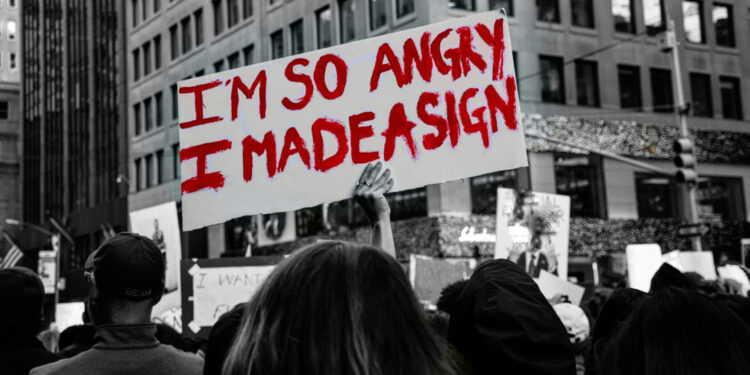
Study finds partisan hostility drives protest participation in the United States
New research suggests that Americans are more likely to protest when they feel threatened by the opposing party—not simply because they identify strongly with their own. Across three large studies, feelings of partisan animosity emerged as a key driver of...
Read moreDetails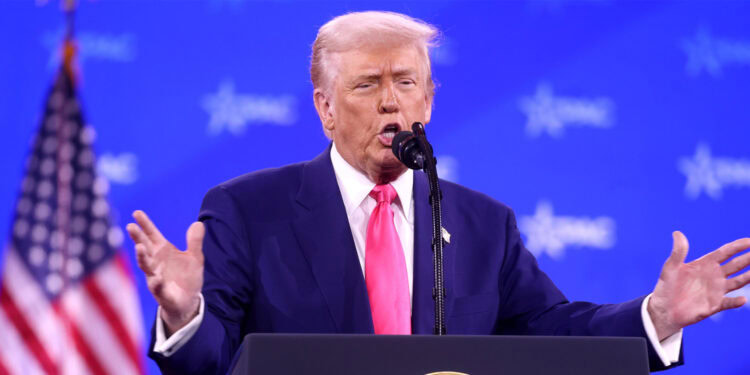
Trump shows signs of cognitive shift after 2024 shooting, study suggests
A new study analyzing Donald Trump’s campaign speeches suggests he may have experienced a cognitive shift following the 2024 assassination attempt. Researchers found his post-shooting language reflected a return to earlier metaphorical patterns seen during his 2016 presidential campaign.
Read moreDetails
Shock events in 2024 presidential campaign reversed typical online behavior, new study shows
A new study published in PNAS suggests that moments of political crisis can shift what goes viral. After the Trump assassination attempt and Biden’s campaign suspension, people engaged more with posts expressing unity than with posts attacking the other side.
Read moreDetails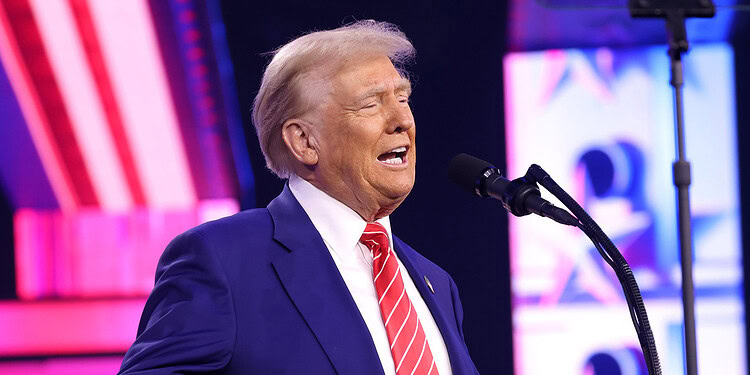
It’s not social media: What’s really fueling Trump shooting conspiracies might surprise you
A new study suggests the strongest driver of conspiracy beliefs about the Trump assassination attempt wasn’t social media or cable news. Instead, researchers found an unexpected social factor that could explain why some people fall for these narratives.
Read moreDetails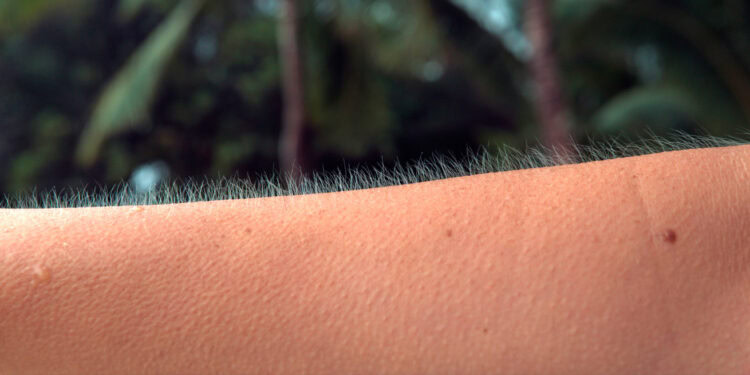
Surprising link found between aesthetic chills and political extremism
Researchers have uncovered a surprising link between political extremism and emotional chills—those shivers or goosebumps people feel during powerful music or speeches—suggesting that intense bodily reactions may reflect deeper psychological and ideological patterns across the political spectrum.
Read moreDetails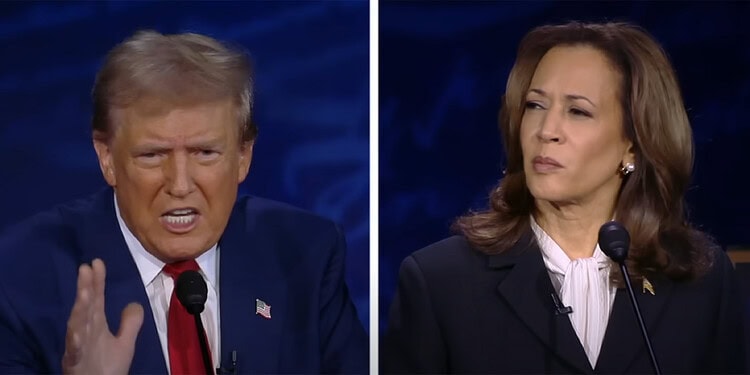
Study finds Trump and Harris used distinct rhetoric in 2024—but shared more similarities than expected
Donald Trump and Kamala Harris framed the 2024 presidential debate in starkly different terms, according to a new study—but their language also showed surprising overlap in tone, emotional content, and specificity.
Read moreDetails
Americans broadly agree on what’s “woke,” but partisan cues still shape perceptions
Do Americans agree on what “woke” means? A new study suggests yes—up to a point. The term tends to signal different things depending on political identity, especially around race, gender, and alignment with the Democratic Party.
Read moreDetails
New psychology research finds leftist causes widely seen as more moral — even by conservatives
A pair of studies conducted in Spain provides evidence of a striking moral asymmetry in politics: both leftists and rightists feel more morally obligated to defend progressive causes, and conservatives tend to view liberals as more morally upright than vice...
Read moreDetails
People high in psychopathy and low in cognitive ability are the most politically active online, study finds
New research highlights a striking pattern: individuals with high psychopathic traits and lower cognitive ability tend to be the most politically active online. The study also links fear of missing out to digital engagement across eight diverse national contexts.
Read moreDetails