Subscribe
The latest psychology and neuroscience discoveries.
My Account
  • Mental Health
  • Social Psychology
  • Cognitive Science
  • Neuroscience
  • About
No Result
View All Result
PsyPost
PsyPost
No Result
View All Result
Home Exclusive Mental Health

Flying after a concussion appears to be safe for athletes

by Eric W. Dolan
December 24, 2020
in Mental Health
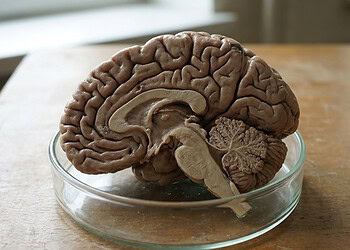
(Photo credit: Pavel Losevsky)

(Photo credit: Pavel Losevsky)

Share on TwitterShare on Facebook

Air travel may not be associated with continued neurological dysfunction after concussion, according to new research published in JAMA Network Open. The study indicates that flying after concussion has little impact on recovery for athletes.

Although air travel is common among athletes, little is known about whether it is safe for a recently concussed person to be exposed to reduced oxygen pressure inside an aircraft cabin.

“In clinic, I have had patients ask me if flying soon after concussion can affect their recovery,” said study author Tara L. Sharma, a clinical assistant professor at the University of Washington.”

“I was not able to give them a definitive response given the paucity of literature on this topic. Because of this, my colleagues at UCLA and I felt that further investigation into whether flying aggravated concussion symptoms or prolonged recovery was warranted.”

The researchers examined data from 3,480 National Collegiate Athletic Association (NCAA) athletes and military cadets who experienced a concussion from August 3, 2014, to September 13, 2018. The data was collected by the Concussion Assessment, Research, and Education Consortium, known as the CARE Consortium — a massive research project seeking to better understand how concussion affects the brain and to improve its diagnosis, treatment, and prevention.

Sharma and her colleagues found no differences in recovery time between participants who flew within 72 hours of a concussion and those who didn’t fly.

“Although it is still unclear whether symptoms may worsen during flight, we now know that flying soon after concussion may not lead to prolonged recovery in athletes. Further studies need to be done to see if flying can exacerbate concussion-related symptoms and prolong recovery in the general population. However, it is overall reassuring that air travel may not cause lasting symptoms,” Sharma explained.

The researcher cautioned that the participants in the study had better cardiorespiratory function than the population at large, which could “enable them to better tolerate low ambient pressure during flight.”

Google News Preferences Add PsyPost to your preferred sources

“Whether or not concussion symptoms worsen during flight and whether long-haul flights can lead to prolonged recovery has yet to be addressed. This is important as it will allow us to further educate patients on how flying after concussion can influence their symptoms,” Sharma added.

The study, “Flying After Concussion and Symptom Recovery in College Athletes and Military Cadets“, was authored by Tara L. Sharma, Julia Morrow Kerrigan, David L. McArthur, Kevin Bickart, Steven P. Broglio, Thomas W. McAllister, Michael McCrea, and Christopher C. Giza.

Previous Post

Conservative Twitter users dominate the discussion of fake news about the coronavirus, study finds

Next Post

Study: Liberals are prone to chronic second guessing, while conservatives tend to go with their gut

RELATED

Longitudinal research suggests social support can promote physical activity by attenuating pain
Anxiety

Regular exercise reduces anxiety and depression in people with chronic insomnia

March 15, 2026
Vivid close-up of a brown human eye showing intricate iris patterns and details.
ADHD Research News

Children with attention disorders struggle to process whole faces during social interactions

March 15, 2026
Self-guided mental imagery training shows promise in reducing anxiety
Anxiety

Self-guided mental imagery training shows promise in reducing anxiety

March 15, 2026
Mindfulness may be a window into brain health in early Alzheimer’s risk
Dementia

Intrinsic capacity scores predict the risk of mild cognitive impairment in older adults

March 14, 2026
Women who are open to “sugar arrangements” tend to show deeper psychological vulnerabilities
Dementia

Terry Pratchett’s novels held clues to his dementia a decade before diagnosis, new study suggests

March 14, 2026
Can Acacia catechu and Scutellaria baicalensis extracts enhance brain function?
Depression

Ashwagandha shows promise as a treatment for depression in new rat study

March 13, 2026
New psychology research explores the costs and benefits of consenting to unwanted sex
Anxiety

People with social anxiety are less likely to experience a post-sex emotional glow

March 13, 2026
Scientists observe “striking” link between social AI chatbots and psychological distress
Autism

The extreme male brain theory of autism applies more strongly to females

March 13, 2026

STAY CONNECTED

LATEST

New psychology study reveals we consistently underestimate our power in close relationships

Psilocybin might not be the most psychoactive ingredient in magic mushrooms, new research suggests

Feminist beliefs linked to healthier romantic relationship skills for survivors of childhood trauma

AI generates nude images that outrank real photographs in sexual appeal, study finds

Regular exercise reduces anxiety and depression in people with chronic insomnia

Children with attention disorders struggle to process whole faces during social interactions

Self-guided mental imagery training shows promise in reducing anxiety

People consistently overestimate the social backlash of changing their political beliefs, new psychology research shows

PsyPost is a psychology and neuroscience news website dedicated to reporting the latest research on human behavior, cognition, and society. (READ MORE...)

  • Mental Health
  • Neuroimaging
  • Personality Psychology
  • Social Psychology
  • Artificial Intelligence
  • Cognitive Science
  • Psychopharmacology
  • Contact us
  • Disclaimer
  • Privacy policy
  • Terms and conditions
  • Do not sell my personal information

(c) PsyPost Media Inc

Welcome Back!

Login to your account below

Forgotten Password?

Retrieve your password

Please enter your username or email address to reset your password.

Log In

Add New Playlist

Subscribe
  • My Account
  • Cognitive Science Research
  • Mental Health Research
  • Social Psychology Research
  • Drug Research
  • Relationship Research
  • About PsyPost
  • Contact
  • Privacy Policy

(c) PsyPost Media Inc