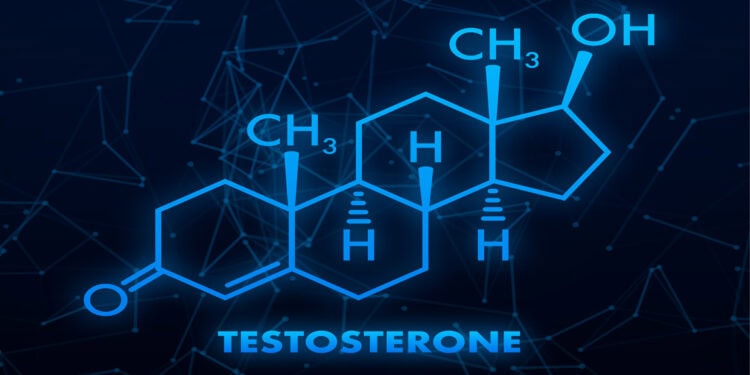

A study conducted in Denmark examined the relationship between sex hormone levels and major depressive disorder (MDD) in unmedicated men. Researchers found that higher levels of testosterone were associated with more severe depressive symptoms, particularly vegetative symptoms like weight loss, gastrointestinal issues, and insomnia. Men with lower sex hormone levels before beginning treatment were more likely to experience sexual side effects from antidepressant medication and tended to report lower sexual desire (libido). The research was published in Neuroscience Applied.
Major depressive disorder, commonly referred to as depression, is a mental health condition characterized by persistent feelings of sadness, hopelessness, and a loss of interest or pleasure in activities that were once enjoyed. Depression affects thoughts, emotions, and behaviors, often causing significant impairment in daily functioning, including work, relationships, and self-care. Common symptoms include fatigue, difficulty concentrating, changes in appetite or sleep patterns, and, in severe cases, thoughts of self-harm or suicide.
Depression occurs at different rates between sexes, with men diagnosed with MDD about half as often as women. Researchers believe this difference may be related to sex hormones. Studies indicate that women after menopause and men tend to respond less effectively to selective serotonin reuptake inhibitors (SSRIs)—a common class of antidepressant drugs—compared to women in their reproductive years. In older men, lower testosterone levels have been linked with depression, and testosterone replacement therapy has been shown to reduce depressive symptoms. These findings suggest that sex hormones may play an important role in depression.
Study author Kristian H. Reveles Jensen and colleagues aimed to explore whether testosterone and estradiol levels in unmedicated men with MDD are linked to their depressive symptoms, response to SSRI treatment, and sexual side effects of these drugs.
Testosterone is a steroid hormone primarily produced in the testes, with smaller amounts generated in the adrenal glands and ovaries. It plays a key role in male sexual development, muscle mass, and libido. Estradiol is a form of estrogen (the primary female sex hormone) primarily produced in the ovaries. In men, estradiol is mainly produced by converting testosterone through the enzyme aromatase, with smaller amounts coming from the testes and adrenal glands.
SSRIs are a class of antidepressants that work by increasing levels of the neurotransmitter serotonin in the brain by blocking its reabsorption into nerve cells. This helps to improve mood and reduce symptoms of depression and anxiety.
The study involved 26 men with moderate to severe depression, who participated in a study on biomarkers for predicting antidepressant treatment response. Researchers measured their testosterone and estradiol levels before they started taking antidepressant medication.
Participants were treated with 10-20 milligrams of escitalopram (an SSRI) daily. If this treatment did not produce results after four weeks, it was replaced with 60-90 milligrams of duloxetine, a serotonin-norepinephrine reuptake inhibitor (SNRI).
Depression severity was assessed using the Hamilton Depression Rating Scale (HAMD-17) before starting treatment and then again after eight weeks. Sexual side effects were assessed at five time points up to the 12th week of treatment using the Udvalg for Kliniske Undersøgelser (UKU) Side Effect Rating Scale, where a clinician rated the reported side effects and categorized how likely they were induced by the medications taken.
The results showed that men with higher testosterone levels tended to have more severe depressive symptoms, driven primarily by vegetative symptoms like weight loss, gastrointestinal problems, and insomnia. However, the effectiveness of antidepressant medication did not appear to be linked to sex hormone levels.
Men with lower levels of testosterone and estradiol before treatment were more likely to experience sexual side effects from escitalopram, including erectile and ejaculatory dysfunction and reduced libido. Additionally, individuals with higher estradiol levels before treatment were less likely to develop these sexual side effects, particularly erectile and ejaculatory issues.
“We find a positive association between testosterone and overall depression severity, driven by vegetative symptoms, i.e., weight loss, gastrointestinal symptoms, and insomnia. Pretreatment sex hormone levels were not associated with antidepressant treatment outcomes but were associated with sexual side-effects of SSRI [selective serotonin reuptake inhibitor] treatment. Our results highlight the possibility that plasma estrogen and testosterone can serve as potential prognostic biomarkers of SSRI-induced sexual dysfunction in men, which should be evaluated in larger patient groups,” the study authors concluded.
This study provides insights into the role of sex hormones in depression. However, it is important to note that the sample size was small and limited to men, so these findings may not apply to women or to larger, more diverse groups. Additionally, the study’s design does not allow for cause-and-effect conclusions.
The paper, “Psychoneuroendocrine profiles of unmedicated men with major depressive disorder and associations to treatment effects and sexual side-effects”, was authored by Kristian H.Reveles Jensen, Malene Ravn Aarestrup, Søren Vinther Larsen, Kristin Kohler-Forsberg, Gitte Moos Knudsen, Martin Balslev Jørgensen, and Vibe G. Frokjaer.