
Attachment anxiety mediates effects of childhood abuse on parental confidence
Mothers who were maltreated as children are more likely to develop anxious romantic attachment styles, which in turn are linked to lower parenting satisfaction and efficacy, according to a study.
Read moreDetails
Childhood trauma linked to changes in brain structure and connectivity, study finds
Adults with a history of childhood trauma show measurable differences in brain structure and function, according to new research. The study found smaller surface area and volume in specific cortical regions, along with altered patterns of functional connectivity.
Read moreDetails
Adversity in childhood linked to accelerated brain development
New research using data from over 7,000 children suggests that adversity during late childhood accelerates brain network development. While these changes may buffer against anxiety and depression, they are also associated with poorer school performance.
Read moreDetails
Resilience may protect against psychopathic traits in people with childhood trauma
A new study suggests that people who are more resilient are less likely to develop psychopathic traits after experiencing childhood trauma. The findings highlight the protective role of resilience and its potential for reducing harmful personality patterns later in life.
Read moreDetails
Verbal abuse changes how children’s brains develop, increasing risk of anxiety and depression
New research highlights how childhood verbal abuse can alter brain development, increasing risks for anxiety, depression, and relationship difficulties. Experts warn that harsh language is not harmless—and prevention is key to improving long-term mental health outcomes for future generations.
Read moreDetails
DNA methylation may explain how childhood adversity shapes depression risk
A large study suggests that the link between early-life adversity and adolescent depression may be shaped by DNA methylation, a biological process that controls gene activity. These epigenetic changes could signal both risk and resilience for mental health outcomes.
Read moreDetails
New study maps psychological pathway from childhood abuse to adolescent addiction
Researchers have identified a pathway linking childhood abuse to addictive behaviors in teens, showing that impulsivity and irritability help explain why early adversity increases the risk of smoking, alcohol use, and internet addiction.
Read moreDetails
Does trauma in childhood influence emotional dynamics in adult sexual relationships?
A new study of Canadian couples found that greater childhood trauma predicted higher attachment anxiety, which in turn was linked to more intense negative emotions during sexual conflict. The effects were statistically weak but consistent.
Read moreDetails
Childhood emotional abuse linked to more frequent nightmares in young adults
A new study finds that emotional abuse and neglect during childhood are associated with more frequent nightmares and bad dreams in young adults. Rumination appears to mediate this link, and strong social support can weaken its impact on disturbed dreaming.
Read moreDetails
Mother’s childhood trauma linked to emotional and behavioral issues in her children, study finds
A recent study suggests that childhood trauma doesn’t end with the individual—it can influence the next generation. Maternal adversity was linked to children’s conduct, emotions, and cognition through economic strain, depression, relationship conflict, and parenting behavior.
Read moreDetails
Childhood adversity linked to fear overgeneralization and reduced safety learning in teens
Research on adolescents exposed to early trauma reveals impaired fear learning: those with childhood adversity showed less ability to distinguish safety from threat and were more prone to overgeneralize fear, highlighting a possible pathway to future mental health problems.
Read moreDetails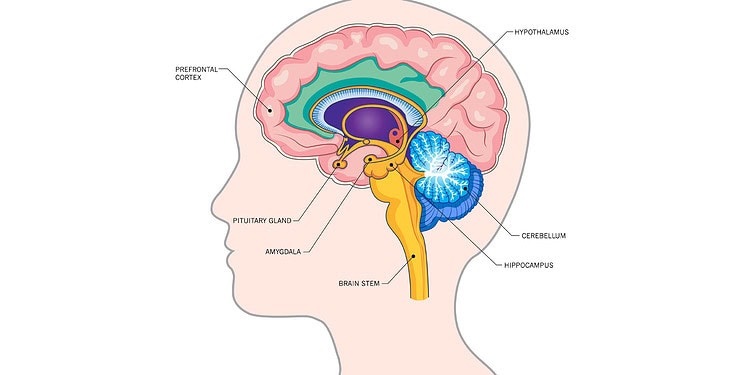
Maltreatment in childhood linked to smaller hippocampus volume through adolescence
A new longitudinal brain imaging study in Brazil reveals that childhood maltreatment is linked to reduced volume in the right hippocampus—a key brain region for memory and emotion. This change persists through adolescence, even after accounting for symptoms of depression.
Read moreDetails
Creative minds often come from broken homes — and it’s not a coincidence
Creative brilliance isn’t always born in nurturing environments. A new study finds that early adversity may push children to escape into inner worlds where imagination thrives—sometimes sparking genius, but also leaving behind deep emotional and behavioral scars.
Read moreDetails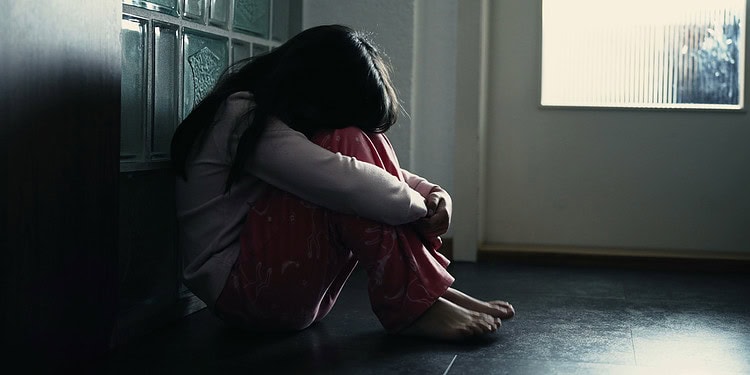
ADHD in formerly institutionalized children tied to slower physical and brain growth
A new study finds that children raised in institutions show slower physical and brain development, especially if diagnosed with ADHD. Early placement into foster care helped, but delays remained—highlighting the lasting effects of early adversity on growth and mental health.
Read moreDetails
Unpredictable childhoods may shape how people relate to God
A new study suggests that growing up in unpredictable environments can shape how people relate to God. The findings show that early instability is linked to insecure attachment to God, which may reduce feelings of divine forgiveness and limit the...
Read moreDetails