
Subtle changes in everyday tasks can signal Alzheimer’s risk years before memory loss
Standard cognitive tests can be flawed by cultural and educational biases. Researchers argue that monitoring a patient's ability to perform daily routines offers a more practical, culturally adaptable early warning system for dementia.
Read moreDetails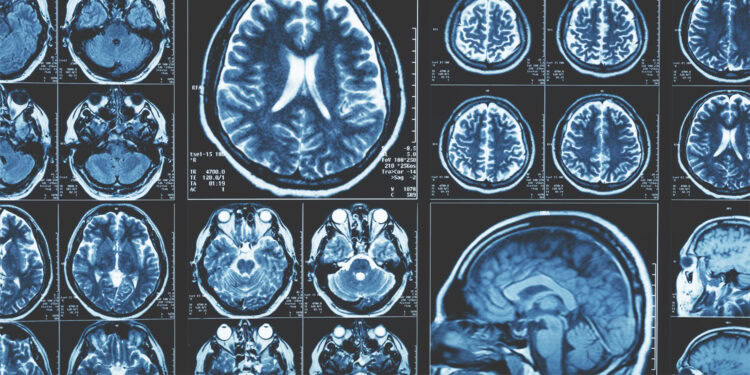
Spike in brain attacking autoantibodies linked to early COVID-19 pandemic
A massive review of laboratory data reveals that severe autoantibody attacks on the brain surged during the initial COVID-19 outbreak before falling back to baseline as population immunity and vaccination rates increased.
Read moreDetails
Heavy substance use in early adulthood predicts memory problems decades later
A new study reveals that heavy drinking, smoking, and cannabis use in early adulthood can lead to memory problems decades later. The research highlights how habits formed in youth cast a long shadow over future brain health.
Read moreDetails
Tabletop games like D&D act as “drama therapy in the wild” to boost players’ self-concepts
Immersing yourself in a tabletop role-playing game could boost your real-world self-esteem. According to a new Transcultural Psychiatry study, building strong, personal bonds with fictional avatars allows players to safely explore and improve their actual identities.
Read moreDetails
Scientists discover how local brain cells hijack serotonin signaling
Scientists have discovered that the chemical acetylcholine can directly trigger the release of serotonin. This localized control system becomes hyperactive in mice with obsessive-compulsive traits, offering a fresh perspective on the biological roots of repetitive psychiatric conditions.
Read moreDetails
Large study finds no meaningful link between meat consumption and depression
A new study of nearly 80,000 people reveals that the link between eating meat and depression is exceptionally weak. The findings suggest that avoiding animal products is not a meaningful risk factor for developing depressive symptoms.
Read moreDetails
Autism genetics linked to reduced brain cell fiber density
A new large-scale genetic analysis reveals that common gene variants associated with autism are also linked to lower neurite density among the general public, suggesting a shared biological architecture between neurodevelopment and microscopic brain structure.
Read moreDetails
New study links fashion satisfaction to mental well-being and social confidence in middle-aged women
The fashion industry often ignores middle-aged consumers, and this exclusion has real psychological consequences. Recent research indicates that a lack of well-fitting clothing options negatively impacts the mental health and social confidence of middle-aged women.
Read moreDetails
A single dose of psilocybin outperforms nicotine patches for quitting smoking
A single dose of psilocybin paired with behavioral therapy proved remarkably effective at helping cigarette smokers quit. A new clinical trial shows the psychedelic intervention substantially outperformed standard nicotine patches over a six-month tracking period.
Read moreDetails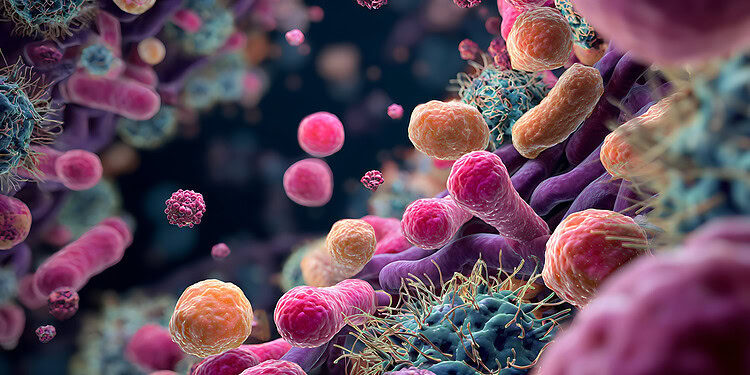
Scientists reveal the biological pathways linking childhood trauma to chronic gut pain
Experiencing stress during early childhood physically alters the nerves in the digestive system. Recent studies reveal how this biological remodeling causes chronic gut pain and movement issues, paving the way for highly targeted new therapies.
Read moreDetails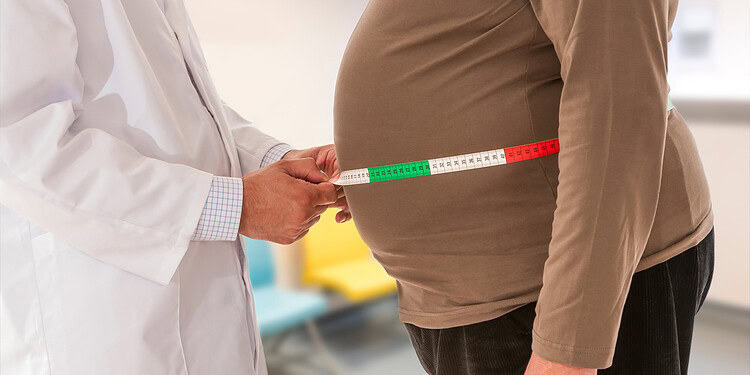
Body roundness index outperforms BMI in predicting depression risk for dementia patients
A specific measurement of body shape called the Body Roundness Index provides evidence of a strong link between excess belly fat and depression in people with dementia. This simple metric outperforms traditional methods like body mass index.
Read moreDetails
Tiny mitochondrial proteins may explain the health benefits of the Mediterranean diet
A recent study reveals that following a Mediterranean diet increases levels of Humanin and SHMOOSE. These microscopic cellular proteins help protect the heart and brain from age-related damage, offering a biological explanation for the diet's well-known health benefits.
Read moreDetails
Severe infections independently amplify the risk of dementia later in life
A nationwide study of Finnish medical records reveals that severe infections are an independent risk factor for dementia, elevating patients' longer-term risk regardless of other underlying health problems.
Read moreDetails
High nighttime temperatures during pregnancy linked to increased autism risk in children
A new study of nearly 300,000 mothers reveals that experiencing abnormally hot nights during early and late pregnancy increases the risk of their child being diagnosed with autism by up to 15 percent.
Read moreDetails
Repeated doses of psilocybin show promise for treating obsessive-compulsive disorder
A new clinical trial suggests that repeated doses of psilocybin can safely reduce symptoms of obsessive-compulsive disorder. The findings provide evidence that multiple weekly treatments offer lasting relief for those struggling with traditional therapies.
Read moreDetails