
Inattention symptoms linked to lower cognitive performance in older adults
Researchers analyzing data from over 1,000 older Americans found that difficulty focusing negatively affects mental processing. This relationship between inattention and cognitive struggles appears stable across different stages of aging.
Read moreDetails
Alcohol drinking habits predict long-term anxiety differently across age groups
A new longitudinal study suggests that drinking larger amounts per occasion is linked to slightly higher future anxiety. However, frequent, low-quantity consumption is associated with lower anxiety levels in adults over 51.
Read moreDetails
What brain waves tell us about the link between exercise and mood
A new study confirms that 30 minutes of moderate exercise reduces rumination in people with depression. Using EEG recordings and self-reports, researchers found that physical activity shifts the mind away from repetitive negative thoughts.
Read moreDetails
Standard mental health tests may be inaccurate for highly intelligent people
A new study suggests that standard depression screenings might not work for people with high IQs. Researchers found that as intelligence rises, the questions on these tests lose their ability to measure mental health accurately.
Read moreDetails
Cannabis use associated with better decision-making skills in people with bipolar disorder
A new study published in Translational Psychiatry finds that chronic cannabis use is associated with better decision-making in people with bipolar disorder, contrasting with the cognitive impairment typically observed in healthy users.
Read moreDetails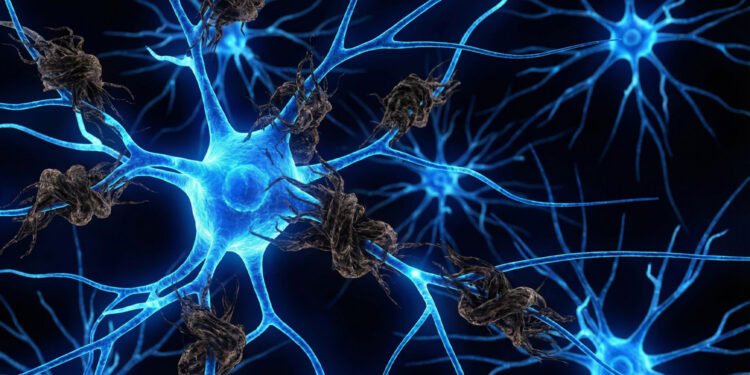
Targeting toxic protein chains could slow neurodegenerative disease
New research reveals that repetitive strings of the amino acid serine can kill brain cells and accelerate the formation of toxic tau tangles associated with Alzheimer’s disease.
Read moreDetails
Exercise rivals therapy and medication for treating depression and anxiety
A comprehensive new analysis confirms that physical activity is a highly effective treatment for mental health disorders. The study suggests that aerobic group classes work best for depression, while gentler activities effectively reduce anxiety.
Read moreDetails
Genetic risk for anhedonia linked to altered brain activity during reward processing
A new study published in the Journal of Affective Disorders found that individuals with a higher genetic predisposition for anhedonia show distinct patterns of brain activity when anticipating and receiving monetary rewards.
Read moreDetails
Religiosity may protect against depression and stress by fostering gratitude and social support
A new study suggests religion boosts mental health by building gratitude and social support. Researchers analyzing U.S. data found these two factors fully explain the link between faith and reduced depression and stress.
Read moreDetails
Strong ADHD symptoms may boost creative problem-solving through sudden insight
A new study finds that people with high levels of ADHD symptoms solve creative problems differently. They rely more on sudden insight than step-by-step analysis, often outperforming those with moderate symptoms.
Read moreDetails
Who lives a good single life? New data highlights the role of autonomy and attachment
A new study suggests that single adults experience greater well-being when their basic psychological needs are met. The findings indicate that autonomy, secure attachment, and viewing singlehood as a choice are key predictors of satisfaction.
Read moreDetails
Waist-to-hip ratio predicts faster telomere shortening than depression
New research challenges the link between depression and aging. A study of UK twins found that mental health had little impact on telomere shortening, but carrying excess weight around the waist significantly accelerated cellular decline.
Read moreDetails
New research links childhood inactivity to depression in a vicious cycle
Researchers found that depression and sedentary behavior appear to reinforce each other in children. The also study indicates these patterns can eventually impact the mental well-being of parents.
Read moreDetails
Feelings of entrapment and powerlessness link job uncertainty to suicidality
Beyond just the lack of money, the shame and stigma associated with financial struggle prevent help-seeking and deepen the social isolation that can lead to suicide, researchers found.
Read moreDetails
No association found between COVID-19 shots during pregnancy and autism or behavioral issues
A new study finds no link between COVID-19 vaccination during pregnancy and neurodevelopmental delays. Researchers observed equivalent communication, motor, and social skills in toddlers regardless of whether their mothers received the vaccine.
Read moreDetails