
A one-month behavioral treatment for social anxiety lowers hostile interpretations of others
People with social anxiety often assume others are being intentionally mean. New research shows that a one-month treatment to reduce social anxiety also successfully lowers this tendency to view the world through a hostile lens.
Read moreDetails
Shingles vaccine linked to slower biological aging, but brain markers show no change
Researchers found vaccinated older adults had “younger” cells and less inflammation, though the study found no direct impact on blood markers of brain injury usually linked to dementia.
Read moreDetails
Psychological capital mitigates the impact of interpersonal sensitivity on anxiety in future nurses
A new study reveals that nursing students who are highly sensitive to others’ reactions experience more anxiety. However, building inner psychological resources—like hope and resilience—can effectively protect their mental health and prevent burnout.
Read moreDetails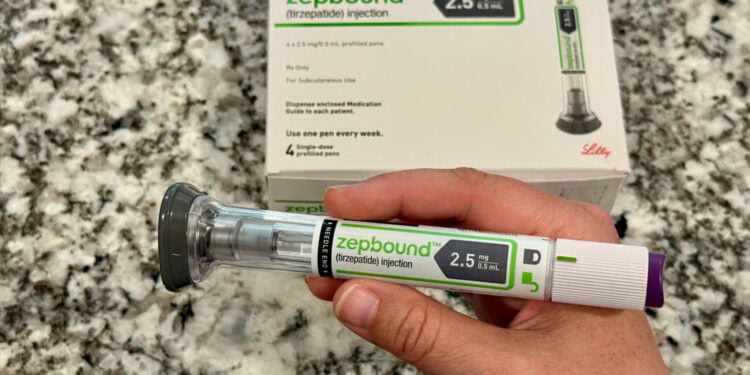
A popular weight loss drug shows promise for treating alcohol addiction
A medication already approved for weight loss and diabetes may alter the brain's reward system to suppress the urge to drink. A new rodent study shows tirzepatide effectively cuts alcohol intake and blocks relapse-like behaviors.
Read moreDetails
Persistent depression linked to resistance in processing positive information about treatment
A new study shows that individuals with persistent depressive disorder have lower expectations for therapy than those with episodic depression. They also struggle to update these beliefs even when presented with positive success stories.
Read moreDetails
Genetic analysis reveals shared biology between testosterone and depression
A new genetic study suggests that the biological roots of depression and testosterone regulation are intertwined. Researchers found that specific genomic variances influence both hormone levels and the risk of developing major depressive disorder.
Read moreDetails
New study sheds light on the psychological burden of having a massive social media audience
Independent creators often struggle with “audience entanglement” after achieving success, a new study in Administrative Science Quarterly reports. Researchers found that managing the psychological weight of a large fanbase is critical for avoiding burnout and sustaining a creative career.
Read moreDetails
Moving in boosts happiness for older couples, but marriage adds no extra spark
A new study challenges the idea that men rely more emotionally on partners. Researchers found that moving in together boosts well-being for both sexes equally, while marriage adds no extra psychological perks for cohabiting older adults.
Read moreDetails
Scientists discover a liver-to-brain signal that mimics exercise benefits
A new study reveals how a liver enzyme shores up the blood-brain barrier. Blocking a specific vessel protein replicated the cognitive benefits of exercise in aging mice and Alzheimer’s models.
Read moreDetails
Neural signatures of impulsivity and neuroticism are largely distinct in youth
New research shows that while impulsivity and neuroticism both increase the risk of teen alcohol use, they stem from almost entirely different brain networks. This highlights how multiple biological pathways can lead to risky behavior.
Read moreDetails
Video games may offer small attention benefits for children with ADHD
A new meta-analysis suggests specially designed video games offer small improvements in attention for children with ADHD. However, researchers caution the benefits are likely not strong enough to replace standard treatments.
Read moreDetails
Study finds a disconnect between brain activity and feelings in lonely people
A new study reveals that mild electrical stimulation to the prefrontal cortex changes how lonely people rate negative social scenes. The findings suggest loneliness creates a mismatch between physiological reactions and conscious feelings.
Read moreDetails
Ibogaine appears to trigger an accelerated “auto-psychotherapy” process during PTSD treatment
Researchers have identified a self-guided therapeutic process induced by magnesium-ibogaine. Published in npj Mental Health Research, the study sheds light on how veterans with brain injuries revisit traumatic memories to achieve psychological and cognitive healing.
Read moreDetails
Psychologists developed a 20-minute tool to help people reframe their depression as a source of strength
Changing how people view their past depression can improve their future success. A series of experiments shows that recognizing the strength required to battle mental illness enhances self-efficacy and tangible progress toward personal goals.
Read moreDetails
Larger left hippocampus predicts better response to antidepressant escitalopram
New findings published in Translational Psychiatry show that responders to the drug escitalopram start with a larger left hippocampus. As symptoms improve, the volume of the right hippocampus increases.
Read moreDetails