
A 20-minute game of Tetris reduced traumatic memories in pandemic frontline workers
A simple video game task eased trauma-related symptoms in healthcare workers, offering a potential tool for frontline mental health support.
Read moreDetails
Wildfires in Canada left psychological scars: Study finds high PTSD and stress levels
New research finds nearly half of surveyed wildfire survivors in Alberta and Nova Scotia suffered from PTSD symptoms or low resilience.
Read moreDetails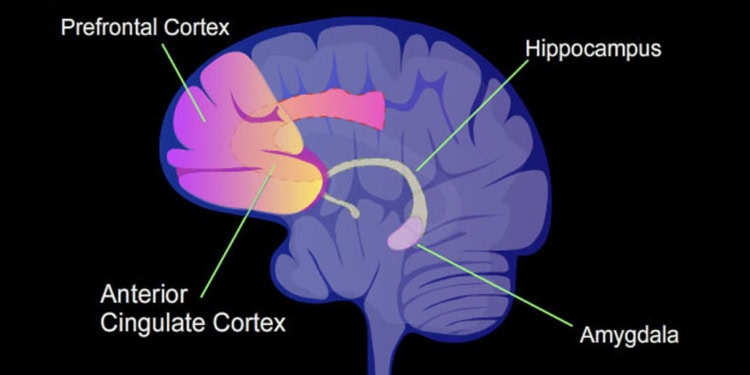
Brain science: Amygdala activity before trauma can predict PTSD risk, study finds
Brain scans of police recruits reveal that amygdala activity before trauma exposure predicts PTSD risk, offering new insights into why some individuals develop symptoms while others remain resilient.
Read moreDetails
Ketamine shows promise for treatment-resistant PTSD in psychedelic-style therapy settings
Ketamine therapy, when combined with psychedelic-inspired support, shows strong potential for reducing PTSD symptoms in those who haven’t responded to conventional treatments, new research suggests.
Read moreDetails
Trigger warnings reduce appreciation of visual art, study finds
New research suggests that content warnings may unintentionally diminish appreciation of visual art while amplifying negative emotions.
Read moreDetails
Lonely teens face higher risk of PTSD and depression later in life
Adolescents who experience high loneliness are more likely to develop PTSD, depression, and stress-related conditions in adulthood.
Read moreDetails
Specific narcissistic traits appear to heighten veteran PTSD risk
Personality traits, particularly vulnerable narcissism, may be linked to PTSD symptoms in veterans, according to new research.
Read moreDetails
High-intensity exercise provides short boost to brain protein in PTSD sufferers
High-intensity exercise briefly boosted BDNF in PTSD patients, unlike low-intensity exercise. However, neither exercise type caused sustained BDNF increases over 12 days.
Read moreDetails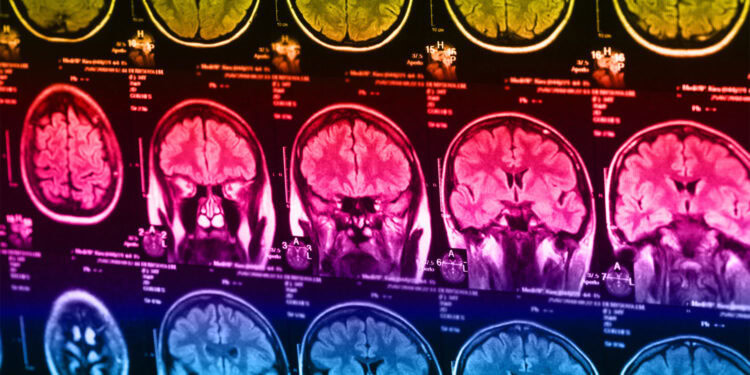
The brain’s reward system and PTSD: New insights from research
Researchers observed that reward system activation differed in individuals with PTSD, with variations linked to depressive symptoms, resilience, and trauma exposure.
Read moreDetails
Neuroscientists illuminate the dark aftermath of torture on brain connectivity
Torture survivors show reduced brain connectivity in areas controlling attention, response inhibition, and motor functions, likely linked to PTSD symptoms. These changes highlight how torture deeply impacts cognitive processes and mental health.
Read moreDetails
Bidirectional relationship found between post-traumatic stress and loneliness in teens
In a study published in the Journal of Affective Disorders, researchers discovered a bidirectional relationship between loneliness and posttraumatic stress among U.S. adolescents.
Read moreDetails
Symptoms of complex PTSD predict the appearance of psychotic symptoms in daily life, study finds
Disturbances of self-organization in complex PTSD predict paranoid thoughts and hallucinations within 90 minutes, suggesting these symptoms may exacerbate psychosis and impact daily functioning more than core PTSD symptoms.
Read moreDetails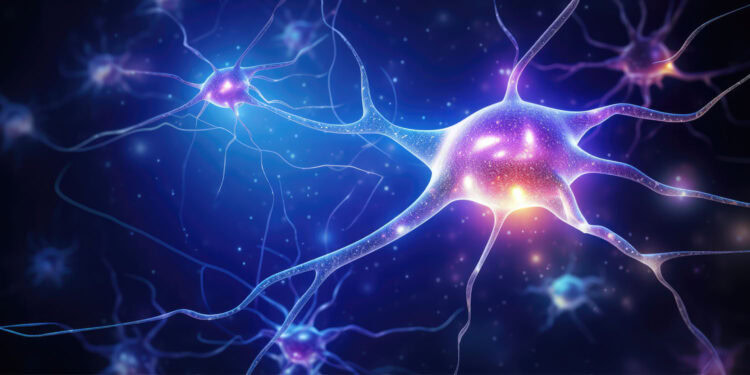
Hippocampal neurogenesis decreases PTSD symptoms in mice, study finds
Researchers found that increasing hippocampal neurogenesis through interventions like exercise weakened trauma memories and reduced PTSD-like symptoms in mice, suggesting a potential mechanism for alleviating PTSD in humans, though further research is needed.
Read moreDetails
Secure attachment linked to lower PTSD symptoms in children, study finds
A recent study found a link between secure attachment and lower PTSD symptoms, while insecure attachment correlated with higher symptoms. These findings emphasize the potential importance of attachment styles in understanding responses to childhood trauma.
Read moreDetails
Yoga interventions improve self-reported PTSD and depression symptoms, study finds
A meta-analysis found that yoga interventions, particularly trauma-sensitive, Kundalini, Satyananda, and Holistic Yoga, reduce self-reported PTSD and depression symptoms.
Read moreDetails