
Insomnia drug lemborexant reduces the gap between perceived and actual sleep
A recent study reveals that the insomnia drug lemborexant helps align how well patients think they slept with actual sleep data. This improved sleep perception is also linked to reduced daytime fatigue and better overall functioning.
Read moreDetails
Daytime emotional suppression does not affect the emotional tone of dreams
People tend to experience fewer positive emotions and more negative emotions in their dreams than while awake. However, hiding feelings during the day does not seem to change the emotional intensity of a person's dreams.
Read moreDetails
Decreased sleep in adolescents is linked to lasting changes in how the brain communicates
A new study suggests that getting less sleep alters how regions of the developing brain communicate. By tracking adolescents over time and testing sleep-deprived adults, scientists found evidence that sleep loss directly reshapes brain network connectivity.
Read moreDetails
Stopping ADHD medication alters sleep rhythms long after discontinuation
Stopping the common ADHD medication methylphenidate may cause lasting sleep disruptions. A new animal study reveals that rats experience fragmented rest and altered circadian rhythms ten days after ceasing the drug, highlighting potential long-term withdrawal effects.
Read moreDetails
Death anxiety is linked to worse insomnia through more severe nightmares
Is the fear of death keeping you awake? Recent research suggests that intense death anxiety predicts stronger insomnia symptoms, a link partially explained by a rise in severe nightmares.
Read moreDetails
Night owls may face a higher risk of acquired premature ejaculation
Men who naturally prefer staying up late might face a higher risk of developing premature ejaculation. A new study links this biological sleep preference and symptom severity to daily lifestyle routines and psychological stress.
Read moreDetails
A tactile wearable device suggests promising results for extending total sleep time
A new study published in JMIR mHealth and uHealth suggests that transcutaneous vibratory stimulation can extend total sleep time. The technology provides evidence of a non-invasive option for individuals struggling to get enough sleep.
Read moreDetails
Adults with ADHD who struggle to manage emotions face a higher insomnia risk
A new study reveals that adults with ADHD who have trouble managing their emotions are significantly more likely to experience insomnia. The link is especially strong among young adults who lack effective strategies to cope with distress.
Read moreDetails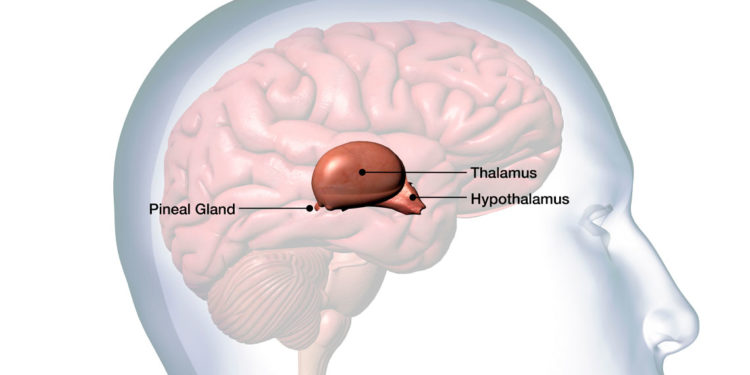
People with psychiatric disorders tend to have a smaller pineal gland
A new review of brain scans reveals that people with psychiatric disorders, especially schizophrenia, tend to have a physically smaller pineal gland. However, this anatomical difference doesn't appear to directly influence how well they sleep at night.
Read moreDetails
People with migraines experience restless legs syndrome at twice the normal rate
About 20 percent of migraine patients also experience restless legs syndrome, a rate double that of the general population. A new meta-analysis highlights the specific clinical markers and shared brain pathways linking these two disabling neurological conditions.
Read moreDetails
Your brain can start dreaming while you are still awake, and scientists just mapped how it happens
A new study in Cell Reports reveals that the boundary between wakefulness and sleep is highly porous. Researchers found that humans can experience bizarre, dream-like states while awake and engage in rational planning while asleep.
Read moreDetails
Psilocybin improves sleep quality in patients with chronic cluster headaches
Psilocybin could help patients with chronic cluster headaches sleep better, according to a recent study in the Journal of Psychopharmacology. Researchers also noted subtle shifts in brain microstructure that tend to accompany these improvements in rest.
Read moreDetails
Breastfeeding during the first six months is linked to better sleep at one year
A new study of over 80,000 infants reveals that babies breastfed for their first six months are less likely to experience short sleep durations at age one, challenging the common belief that formula-fed babies sleep longer.
Read moreDetails
Can nighttime brain bursts predict performance on intelligence tests?
A large-scale statistical review reveals how the electrical rhythms of the sleeping brain change as we age. The findings also outline differences in rest architecture between men and women, alongside unique links to waking cognitive abilities.
Read moreDetails
Genetic risk for Alzheimer’s disease could depend on how well you sleep
Scientists have discovered an important link between sleep, genetics, and Alzheimer’s disease. New findings suggest that getting poor sleep can accelerate brain shrinkage and memory loss in older adults carrying specific genetic variants.
Read moreDetails