
Both Democrats and Republicans justify undemocratic actions that help their party
When politicians break the rules, voters often look the other way—if it helps their side. New research reveals that partisan hypocrisy is bipartisan, and supposed ideological splits over democracy may actually be driven by specific political battles.
Read moreDetails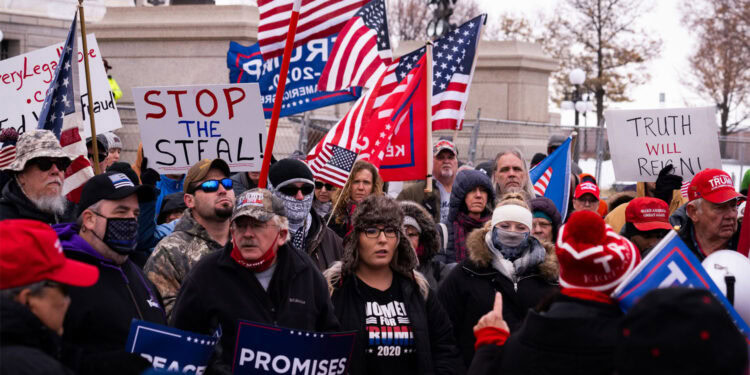
Collective narcissism fueled the pro-Trump “Stop the Steal” movement on Twitter
A new study reveals that tweets expressing collective narcissism—a belief in a group’s superiority and victimhood—were central to the "Stop the Steal" movement. These messages went viral by tapping into deep-seated psychological needs for recognition.
Read moreDetails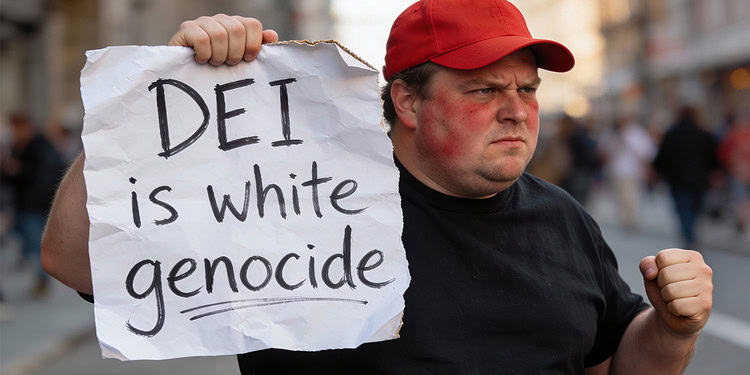
New study identifies a “woke” counterpart on the political right characterized by white grievance
A new study suggests that identity-based "woke" politics exist on the political right, focusing on white grievance and speech regulation. Researchers developed a new scale to measure these attitudes alongside existing left-wing measures.
Read moreDetails
Neuroticism linked to liberal ideology in young Americans, but not older generations
A new study reveals that personality traits like anxiety and irritability are linked to liberal beliefs in young Americans. This association was not found in older cohorts or in international samples outside the United States.
Read moreDetails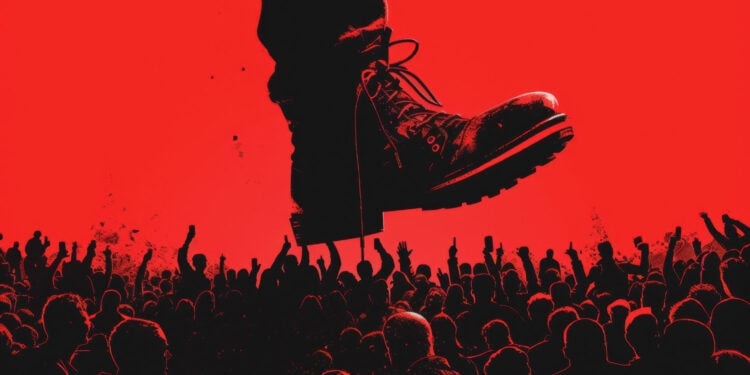
Study identifies two distinct types of populist voters driving support for strongman leaders
Researchers surveyed citizens in nine countries to understand the rise of right-wing populism. They found that support typically stems from either a desire for democratic reform or a specific preference for authoritarian control.
Read moreDetails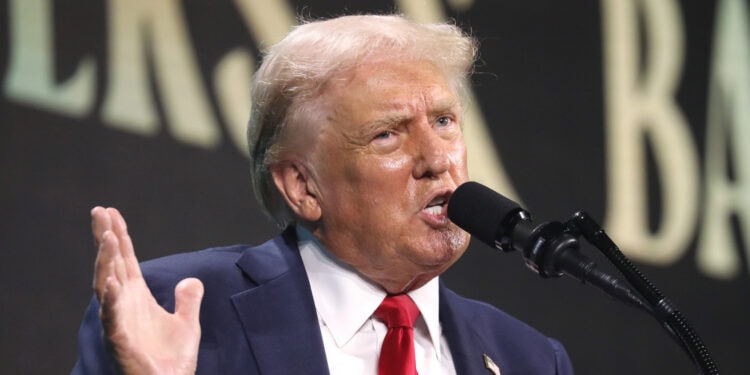
Researchers identify personality traits linked to Trump’s “cult-like” followership
Scientists investigating the "cult of personality" surrounding Donald Trump found that his staunchest supporters score unusually high in conscientiousness.
Read moreDetails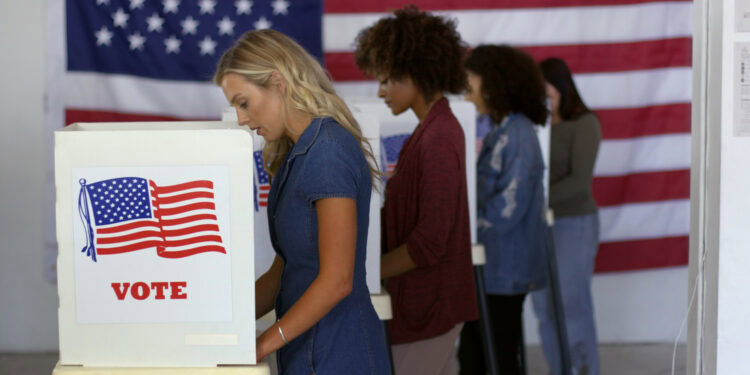
Mortality rates increase in U.S. counties that vote for losing presidential candidates
A new analysis of U.S. data reveals that mortality rates rise in counties supporting losing presidential candidates. The study suggests political disappointment leads to stress and social isolation, increasing death rates by 7 per 100,000 people.
Read moreDetails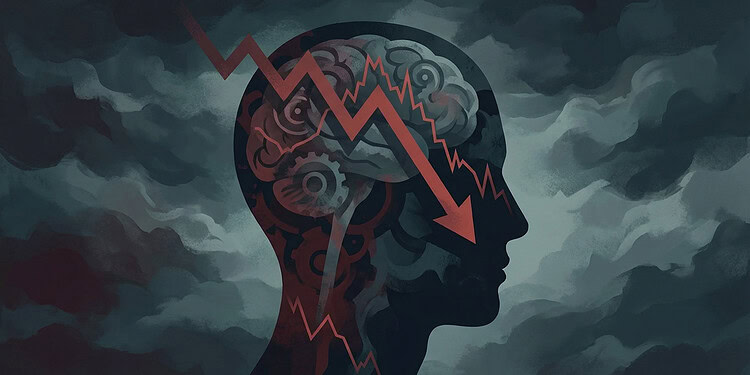
New research reveals a psychological shift triggered by the 2008 Great Recession
New research suggests the 2008 Great Recession fundamentally altered how Americans perceive their social standing. An analysis of over 160,000 people indicates the economic shock caused a widespread decline in class identity that persisted long after the market recovered.
Read moreDetails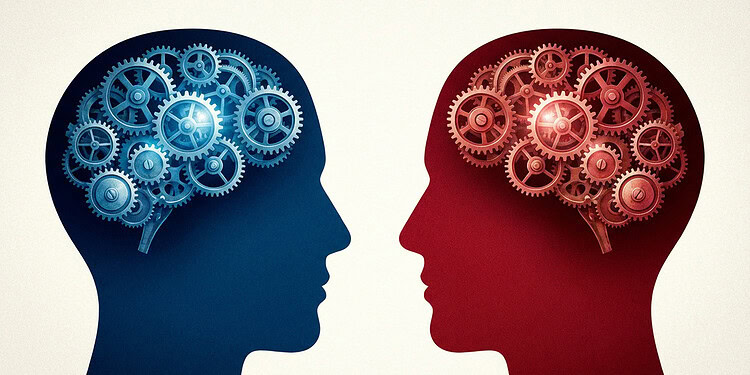
Conservatives and liberals tend to engage in different evidence-gathering strategies
New research shows that liberals typically seek comprehensive statistical comparisons to evaluate policies, whereas conservatives are more likely to rely on categorical data points or specific instances.
Read moreDetails
Voters from both parties largely agree on how to punish acts of political violence
Do Americans excuse political violence committed by their allies? A new experiment finds that while some bias exists, the severity of the crime is the strongest predictor of how harsh the punishment should be.
Read moreDetails
People with anxious tendencies are more likely to support left-wing economic policy
Researchers analyzing data from 18,000 respondents discovered that anxiety levels predict economic preferences as accurately as financial status. The link is strongest among those who lack a robust social safety net.
Read moreDetails
Liberal state policies during adolescence linked to lower dementia risk in later life
Geographic disparities in dementia may be rooted in the past. Researchers discovered that the political orientation of the state where a person grows up predicts their likelihood of developing cognitive decline decades later.
Read moreDetails
The psychological desire to be the “true” victim predicts anti-democratic attitudes
Both Republicans and Democrats who engage in “competitive victimhood” are more prone to endorsing policies that undermine democracy. A new study suggests this tendency is driven by a psychological process of viewing the opposing party as less than human.
Read moreDetails
Mass shootings increase local voter turnout but do not shift presidential choices
A new study published in Science Advances shows that mass shootings increase voter turnout in the immediate vicinity of the event. However, while residents vote more, the tragedy rarely causes them to switch political parties.
Read moreDetails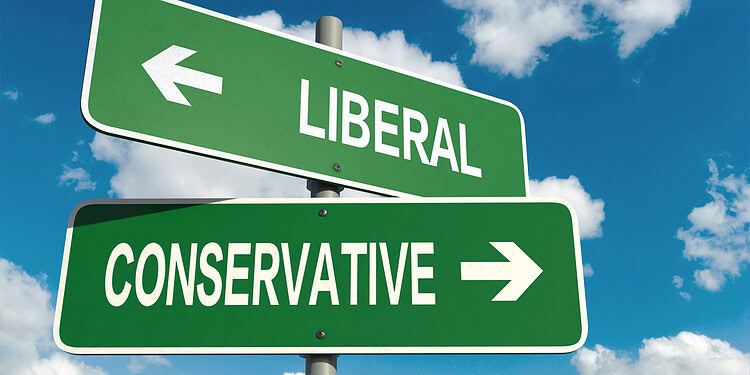
Researchers uncover different hierarchies of moral concern among liberals and conservatives
A recent study indicates that political leanings are shaped by internal moral trade-offs. The findings suggest that conservatives tend to prioritize binding values like loyalty over individualizing values like care.
Read moreDetails